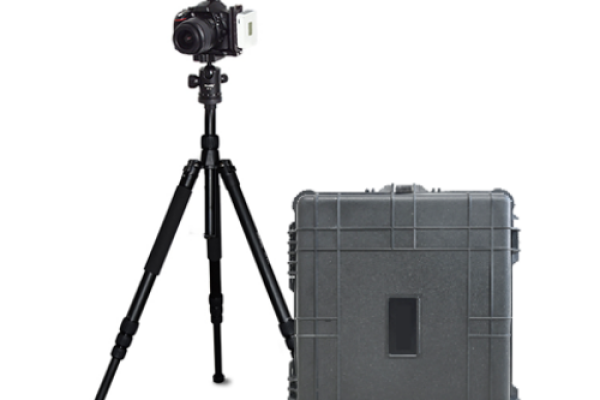
In 2026, the global photovoltaic industry will enter a stage of high-quality development, and the detection of hidden defects such as hidden cracks, broken grids, virtual soldering, and impurities in photovoltaic modules will become the core work of photovoltaic production capacity quality inspection, power station operation and maintenance, and asset evaluation. With the widespread use of double-sided components, high-efficiency PERC components, and TOPCon components, traditional EL detectors are facing increasingly prominent issues such as insufficient detection accuracy, blurry images, inability to recognize micro cracks, and bulky and non portable equipment. The current core development trend of the industry presents three major characteristics: first, high-precision detection, which can accurately identify hidden defects in micrometer level components; Secondly, the equipment is lightweight and suitable for outdoor on-site non-destructive testing; The third is intelligent detection, automatic identification of defects, intelligent classification, and data traceability. In this context, portable EL detectors have become a…
READ MORE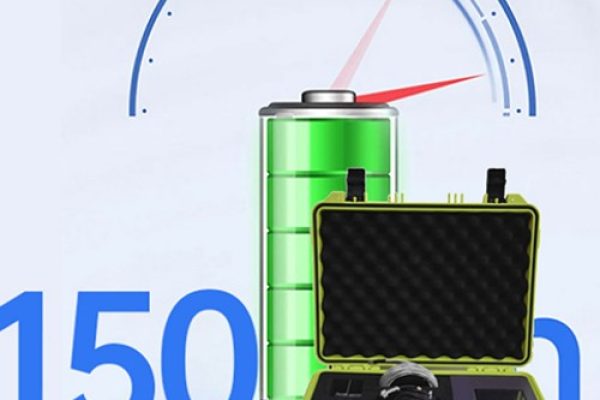
In recent years, the refined operation and maintenance of photovoltaic power plants, precise evaluation of power generation efficiency, and standardization of photovoltaic project acceptance have become the core trends in the industry. Solar irradiance, as the core basic data for calculating the power generation efficiency of photovoltaic modules, evaluating power plant capacity, and tracing faults, directly determines the quality of photovoltaic power plant operation and maintenance and the accuracy of revenue accounting based on its detection accuracy. In 2026, with the large-scale popularization of distributed photovoltaics, photovoltaic+energy storage, and large-scale ground photovoltaic power stations, the industry has put forward higher requirements for irradiance detection equipment. Traditional irradiance meters have problems such as accuracy drift, slow response speed, poor portability, weak environmental adaptability, and incomplete data recording, which are difficult to meet the needs of long-term outdoor monitoring, dynamic data collection, and accurate energy efficiency analysis. The current industry is upgrading…
READ MORE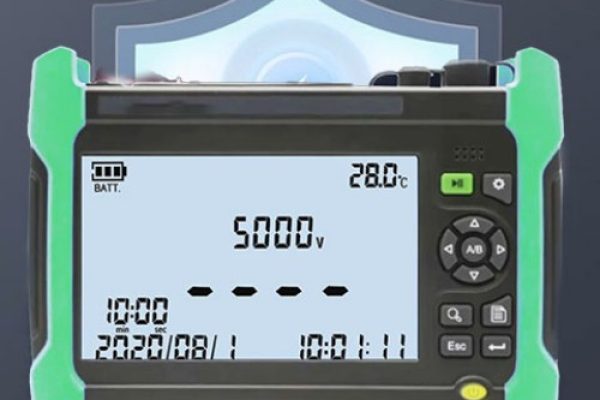
With the development of high-voltage and large-scale photovoltaic power plants, 1500V high-voltage photovoltaic systems are widely used, and insulation safety testing of photovoltaic modules, cables, combiner boxes, inverters and other equipment has become a top priority for power plant operation and maintenance. In 2026, the safety standards of the photovoltaic industry will continue to upgrade, and insulation resistance testing will be mandatory for power station grid connection acceptance, daily operation and maintenance, and rectification of old power stations to prevent safety accidents such as leakage, short circuit, equipment breakdown, and fire. The current industry development trend presents four directions: high-voltage adaptation, precise detection, safety protection upgrade, and intelligent digital management. Traditional insulation resistance testers have problems such as insufficient high-voltage adaptation, large numerical errors, low protection levels, cumbersome operation, and no data traceability function. They can no longer meet the safety detection needs of high-voltage photovoltaic power plants. Professional insulation…
READ MORE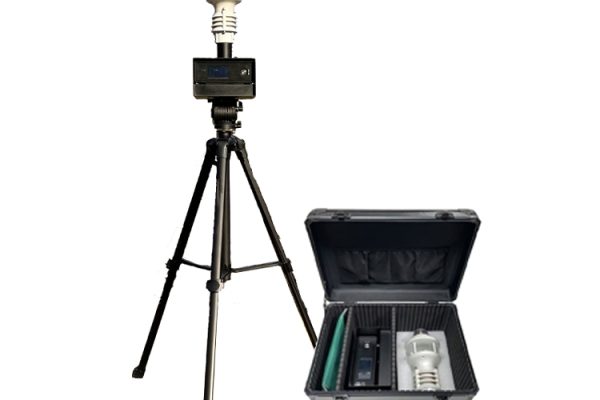
In the new stage of refined operation and intelligent management in the photovoltaic industry, meteorological and environmental data is the core foundation for photovoltaic power plant power generation forecasting, energy efficiency evaluation, operation and maintenance scheduling, and revenue accounting. In 2026, with the rapid development of new formats such as smart photovoltaics, distributed energy storage, and virtual power plants, the industry has put forward higher requirements for the monitoring accuracy, parameter integrity, intelligent transmission, and all-weather stability of photovoltaic dedicated meteorological stations. Traditional simple meteorological stations have problems such as single monitoring parameters, insufficient accuracy, lagging data transmission, weak anti-interference ability, and inability to adapt to long-term outdoor duty, which makes it difficult to meet the digital operation and maintenance needs of smart photovoltaic power stations. The current core development trend in the industry is multi parameter integrated monitoring, unmanned automated operation, remote intelligent transmission, and all-weather stable adaptation. Professional…
READ MORE
The electrical safety of photovoltaic systems is the bottom line for stable operation of power plants. Insulation aging and damage of components, DC cables, combiner boxes, and inverters can easily lead to grounding faults, leakage, and even fire accidents. Insulation resistance testing has become an essential testing item for daily operation and grid connection acceptance of photovoltaics. With the widespread popularity of 1500V high-voltage photovoltaic systems in China, the industry has put forward new requirements for insulation testing equipment. Traditional insulation testers must disconnect the string and wait for discharge before testing, making the operation process cumbersome and difficult to adapt to the needs of large-scale power station inspections. The industry development trend is clear, and specialized photovoltaic insulation resistance testers with photovoltaic live detection, multi gear high-voltage output, automatic discharge, and interference suppression functions have become the mainstream in the market. At the same time, industry safety standards continue…
READ MORE
Photovoltaic power generation relies on solar radiation to achieve energy conversion, and irradiance data is the core basic parameter for evaluating the power generation capacity of components, converting IV test standard operating conditions, and conducting power generation simulation analysis. With the continuous promotion of standardization in photovoltaic testing, high-precision portable irradiance meters have become standard equipment for on-site photovoltaic testing. Looking at the development trend of the industry, the market demand has upgraded from early simple light measurement equipment to professional level irradiation instruments that meet measurement and testing standards, support long-term stable outdoor collection, and can be linked with other photovoltaic detection equipment. In the past, a large number of low-end irradiation equipment had poor spectral matching, severe temperature drift, and large data deviations in high and low temperature environments, which could not meet the requirements of acceptance projects and were gradually being phased out by the market. At…
READ MORE
In the full lifecycle management of photovoltaic power plants, hidden defects within components are important hazards that affect power generation and trigger safety accidents. Hidden cracks, broken grids, fragments, virtual soldering, PID attenuation and other faults cannot be identified by the naked eye. EL electroluminescence imaging detection has become an essential means for component quality acceptance and operation and maintenance fault troubleshooting. In recent years, the installed capacity of photovoltaics has continued to expand, and the scale of the existing power station operation and maintenance market has been increasing year by year. The demand for portable EL detectors in the market continues to be released. The industry development trend is significant, and the pain points of traditional EL devices relying on external mains power, only able to operate at night, and bulky body are gradually being overcome. The new generation of products with built-in power supply, all-weather imaging, lightweight body,…
READ MORE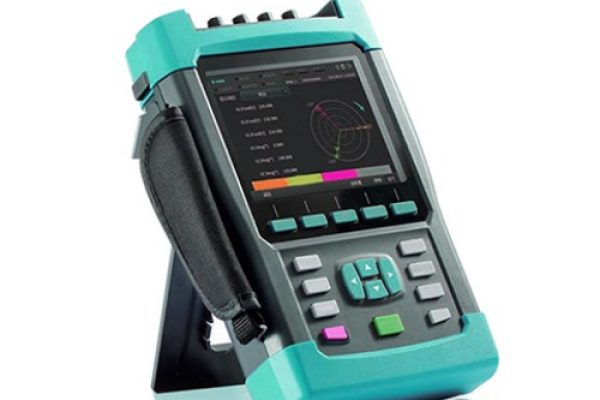
With the continuous promotion of the quality and efficiency improvement of existing power stations in the domestic photovoltaic industry, a large number of centralized and distributed photovoltaics have entered the operation and maintenance cycle, and the demand for photovoltaic module and string electrical performance testing continues to explode. As a core method for evaluating the actual output power of photovoltaic modules, identifying thermal spots, attenuation, and string mismatch faults, portable IV testers have become essential tools for EPC enterprises, third-party testing agencies, and photovoltaic operation and maintenance companies. The industry development trend is clear and visible, and the market is abandoning the first generation of detection equipment that is old, bulky, lacks accuracy, and cannot adapt to 1500V high-voltage string, and upgrading towards lightweight, high-precision, intelligent, and multi device linkage. At the same time, the process of domestic substitution continues to accelerate, and domestic instruments have overcome the shortcomings of…
READ MORE
In recent years, the high-quality development process of the domestic photovoltaic industry has continued to accelerate, and the quality inspection and defect screening of photovoltaic modules have become the core links in the construction and operation of photovoltaic power stations. The EL detector, as a specialized equipment for detecting hidden faults such as hidden cracks, virtual welding, broken grids, hot spots, and impurity defects in photovoltaic modules, can accurately capture module defects that cannot be recognized by the naked eye through infrared imaging technology. It is the core equipment for controlling the quality of photovoltaic modules at the factory, the construction quality of power plants, and the investigation of hidden dangers in later operation and maintenance. With the continuous expansion of photovoltaic module production capacity and the upgrading of photovoltaic power station operation and maintenance standards, the market's requirements for imaging clarity, detection efficiency, portability, and outdoor adaptability of portable…
READ MORE
In various fields such as photovoltaic new energy, meteorological monitoring, agricultural lighting research, and industrial lighting environment detection, irradiance is a core indicator for measuring lighting intensity, evaluating equipment power generation efficiency, and monitoring environmental lighting parameters. As a core instrument for accurately measuring solar irradiance and spectral irradiance parameters, portable irradiance meters have become indispensable testing equipment for photovoltaic power plant operation and maintenance, meteorological environment monitoring, scientific research experiments, and industrial quality inspection due to their advantages of portability, flexibility, accurate detection, and wide adaptability to various scenarios. In 2026, with the continuous improvement and upgrading of the new energy industry and the continuous improvement of the ecological environment monitoring system, the market's requirements for the measurement accuracy, response speed, environmental adaptability, and intelligent data collection capability of portable irradiance meters will continue to increase. The industry as a whole is showing a development trend of high precision,…
READ MORE
The insulation performance of power and electrical equipment is the core key to ensuring the safe and stable operation of the power system, avoiding safety accidents such as leakage, short circuit, and equipment breakdown. As a specialized instrument for detecting the insulation performance of cables, transformers, motors, distribution cabinets, power lines, and electrical equipment, the insulation resistance tester can accurately measure the insulation resistance value, identify safety hazards such as insulation aging, damage, moisture, and leakage, and is widely used in various fields such as power operation and maintenance, electrical inspection, industrial equipment testing, building electrical acceptance, and rail transit. With the continuous upgrading of domestic power infrastructure and the continuous improvement of intelligent operation and maintenance systems for industrial electrical equipment, the standardization, precision, and normalization requirements for electrical safety testing in various industries continue to increase, promoting the rapid iteration and upgrading of the insulation resistance tester industry.…
READ MORE
With the continuous promotion of smart meteorology, agricultural modernization, new energy meteorological monitoring, ecological environment governance, and smart city construction in China, the demand for high-precision, automated, and intelligent meteorological monitoring equipment continues to expand. As the core equipment for real-time monitoring of meteorological parameters such as wind speed, direction, temperature, humidity, pressure, rainfall, and light, automatic weather stations are widely used in various fields such as meteorological forecasting, agricultural planting, photovoltaic wind power new energy, ecological environmental protection, transportation and water conservancy, campus scientific research, and smart cities. In 2026, the industry as a whole will enter a new development stage of intelligent monitoring, unmanned operation, data networking, and precise traceability. The market's requirements for the monitoring accuracy, stability, environmental adaptability, intelligent networking capability, and all-weather operation capability of meteorological station equipment will significantly increase. Traditional manual observation, single parameter, data lag, and poor stability of simple meteorological equipment…
READ MORE