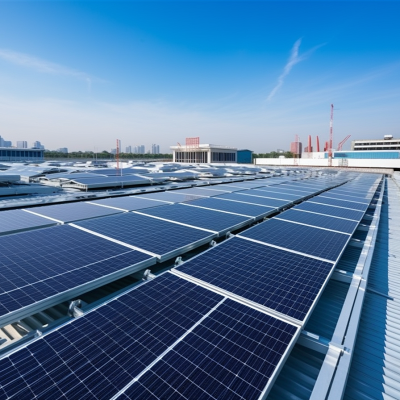
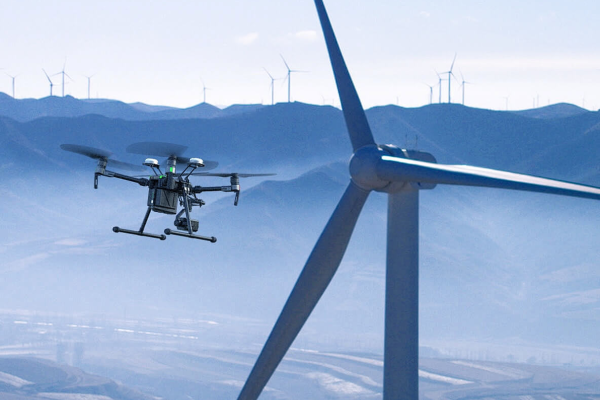
Domestic photovoltaic power stations continue to expand into complex terrains such as mountains, water surfaces, and deserts. A large number of large-scale ground photovoltaic bases cover a wide area, and the traditional manual EL detector module by module detection mode is time-consuming and labor-intensive. Some areas are difficult for personnel to reach, and there are blind inspection areas. The drone EL detection technology, with its advantages of large-scale, high-efficiency, and long-distance inspection, has become a new solution for defect investigation in large-scale photovoltaic bases, and has rapidly become popular in the photovoltaic operation and maintenance industry in the past two years. The drone is equipped with EL imaging equipment, which can quickly complete the scanning of the entire photovoltaic field area, efficiently identify issues such as hidden cracks, hot spots, and wiring faults in components, greatly reducing the manpower required for inspection. The rapid development of the industry has spurred…
READ MORE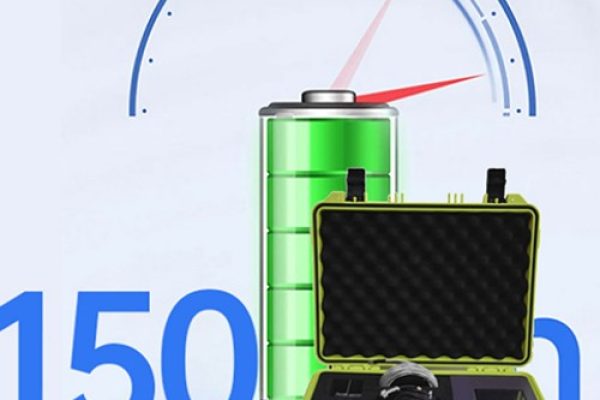
Photovoltaic power generation relies on solar radiation energy to achieve photoelectric conversion, and irradiance data is an essential basic parameter for evaluating photovoltaic power generation, testing component performance, and analyzing power plant energy efficiency. Accurate real-time collection of irradiance data is particularly crucial in scenarios such as photovoltaic IV testing, outdoor empirical experiments, power plant energy efficiency surveys, and on-site calibration of photovoltaic simulators. In recent years, the concept of refined operation in the photovoltaic industry has become popular. Whether it is large-scale ground photovoltaic bases or small and medium-sized distributed photovoltaic projects, there is an increasing emphasis on on-site irradiation data collection, and the demand for portable irradiance meters in the market is steadily increasing. There is a wide variety of irradiance measurement equipment in the market, ranging from simple and economical devices to high-precision professional instruments. There are significant differences in product accuracy, response speed, and temperature compensation…
READ MORE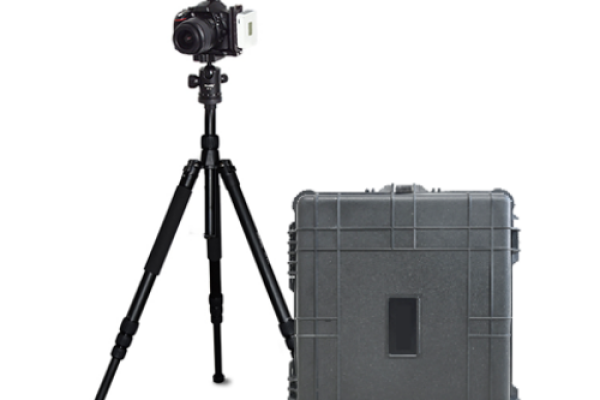
The global transition to new energy is constantly accelerating, and the newly installed photovoltaic capacity in China has maintained a high growth rate for many years. A large number of newly built photovoltaic power stations have been put into operation, while early built photovoltaic power stations are gradually entering the peak period of operation and maintenance. Internal defects such as hidden cracks, fragments, black cores, virtual soldering, and hot spots in photovoltaic modules cannot be identified by the naked eye. EL electroluminescence detection has become an indispensable means of component defect investigation. In the on-site inspection scenario of power plants, traditional large fixed EL equipment is difficult to transport and cannot meet the needs of outdoor mobile detection. Portable EL detectors have emerged and quickly become a necessity in the distributed photovoltaic and commercial photovoltaic operation and maintenance markets. With the continuous improvement of industry standards and the increasing requirements…
READ MORE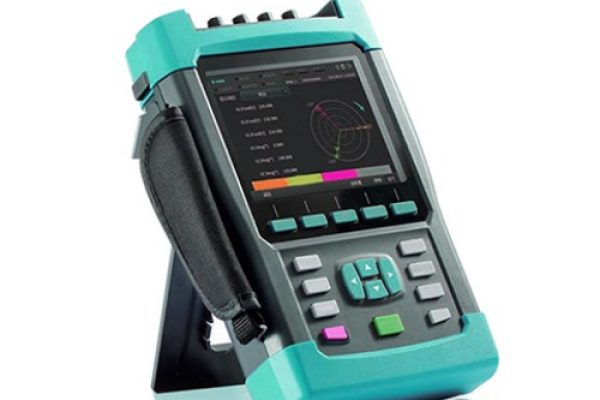
With the continuous expansion of domestic photovoltaic power station construction scale, the number of centralized photovoltaic, distributed household photovoltaic, and commercial photovoltaic projects has been increasing year by year, and the market for photovoltaic operation and maintenance, power station completion acceptance, and component fault diagnosis has ushered in rapid development. The output performance testing of photovoltaic modules is the core link of power station quality control. IV curve testing can intuitively reflect the power generation performance of photovoltaic modules and strings, and judge various faults such as module attenuation, hidden cracks, abnormal wiring, and obstruction. Against the backdrop of continuous industry standardization, the demand for portable IV testing equipment in the market continues to rise. Equipment portability, measurement accuracy, data stability, and outdoor adaptability have become key indicators for procurement. A large number of power plant EPC enterprises, third-party testing institutions, and operation and maintenance companies have begun to screen…
READ MORE
The global photovoltaic industry continues to expand, and the scale of existing photovoltaic power stations in China has exceeded a historical high. The development focus of the photovoltaic industry has officially shifted from large-scale construction to refined operation and maintenance, asset evaluation, and fault diagnosis. With the popularization of 1500V high-voltage components, the increasing demand for photovoltaic asset trading, insurance evaluation, and third-party acceptance, portable IV testers, as the core equipment for component performance testing, continue to rise in market demand. In the past, a large number of projects relied on imported equipment, resulting in high procurement costs and slow after-sales response. In recent years, domestic photovoltaic testing instrument technology has rapidly broken through, and the process of domestic substitution has accelerated comprehensively. The current market equipment category is complex, and some products have pain points such as large testing errors, insufficient outdoor endurance, low protection level, and simple software…
READ MORE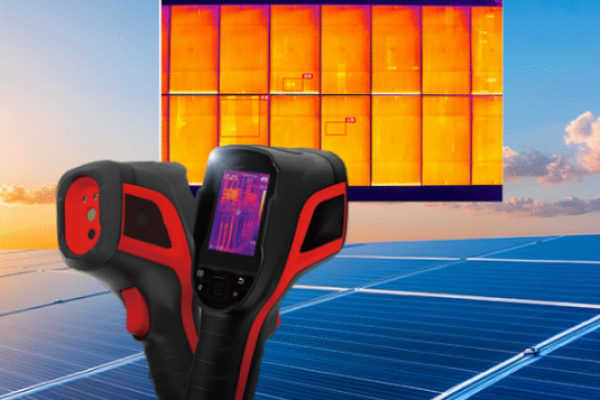
The total installed capacity of domestic photovoltaics has been increasing year by year, and the massive number of photovoltaic power stations put into operation are facing increasingly heavy operational pressure. Temperature related faults such as component hot spots, junction box overheating, poor cable contact, and abnormal inverter temperature cannot be detected in a timely manner by the naked eye. The continuous development of faults can accelerate component aging and, in severe cases, cause fire accidents. The handheld infrared thermal imaging device relies on non-contact temperature measurement and real-time thermal imaging characteristics to quickly identify temperature anomalies in the normal power generation state of components, becoming a standardized instrument for photovoltaic operation and maintenance. With the upgrade of intelligent operation and maintenance, the market has put forward higher requirements for thermal imagers: higher thermal sensitivity, outdoor strong light visibility, long battery life, adaptability to photovoltaic exclusive temperature analysis, and durability. At…
READ MORE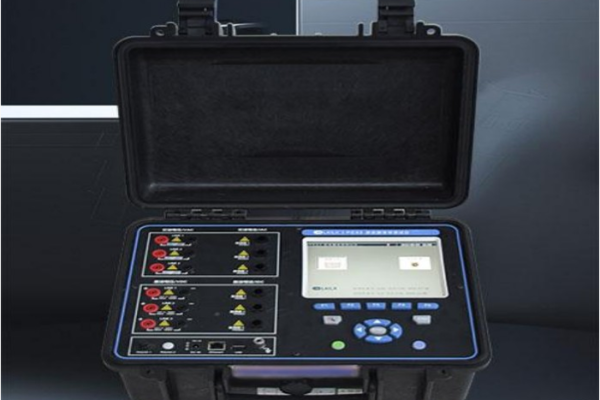
As the core unit of energy conversion in photovoltaic power generation systems, the operation status of photovoltaic inverters directly determines the power generation efficiency of the power station. With the widespread popularity of string inverters and energy storage hybrid inverters, the demand for inverter factory testing, on-site grid connection debugging, fault maintenance, and performance evaluation continues to rise. The inverter comprehensive tester has become a core testing tool for new energy manufacturing enterprises, testing institutions, and power plant operation and maintenance units. In recent years, industry standards have been continuously updated, and stricter requirements have been put forward for testing items such as inverter harmonics, efficiency, low voltage ride through, islanding protection, and power quality. Old and simple testing equipment cannot meet the testing needs of the new standards. The comprehensive testing equipment for inverters in the market is divided into portable models and large desktop devices, and outdoor on-site…
READ MORE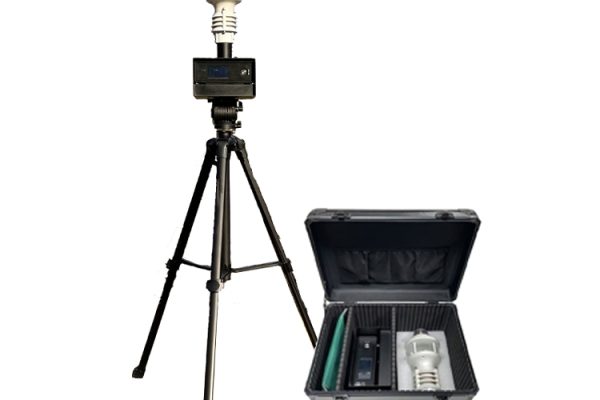
Photovoltaic meteorological station is the basic equipment for resource assessment, power generation simulation, operation and maintenance data analysis, and grid compliance monitoring of photovoltaic power plants. The collected meteorological data such as total solar radiation, ambient temperature, component temperature, wind speed and direction, humidity, etc. are the core basis for evaluating component power generation performance, analyzing power attenuation, and conducting photovoltaic asset evaluation. After the implementation of the new version of the photovoltaic power station operation evaluation standards, the integrity of meteorological monitoring data has been included in the power station assessment indicators. The demand for high-precision photovoltaic weather stations continues to grow among major ground power stations, empirical platforms, and distributed photovoltaic projects. There are many meteorological equipment manufacturers on the market, and their products have significant differences in sensor accuracy, protection capabilities, data transmission stability, and photovoltaic scene adaptability. Some low-priced devices have severe sensor drift and high…
READ MORE
As the global photovoltaic industry enters the era of refined operation, the installed capacity of photovoltaic power stations continues to expand, and the demand for operation and maintenance of existing power stations is exploding. The global market size of photovoltaic testing equipment is expected to exceed 4.72 billion US dollars by 2026, with a compound annual growth rate of over 10.8%. The industry is officially bidding farewell to extensive construction and shifting towards a new stage of efficient, accurate, and portable testing and operation. The new regulations for the operation and supervision of national photovoltaic power stations have been fully implemented, and the standards for power detection, fault diagnosis, and data verification of photovoltaic modules have been significantly tightened. Traditional fixed and large-scale testing equipment can no longer meet the rapid testing needs of outdoor construction sites, distributed photovoltaics, and household photovoltaics. Under this industry trend, portable, high-precision, intelligent, and…
READ MORE
Against the backdrop of the continuous promotion of the dual carbon strategy, the refined operation and efficient power generation of photovoltaic power plants have become the core demands of the industry. As the most critical environmental parameter affecting the power generation performance of photovoltaic modules, the accurate measurement of irradiance is directly related to the accuracy of power station performance evaluation, IV curve condition correction, photovoltaic resource assessment, and third-party acceptance arbitration. In 2026, with the implementation of new regulations for the operation and supervision of national photovoltaic power stations, stricter standards have been proposed for spectral matching, temperature compensation capability, and outdoor portability of irradiance measurement. Traditional irradiance meters commonly suffer from pain points such as narrow spectral response, severe temperature drift, bulky size, and inability to be linked with IV testers, making it difficult to meet the precise measurement needs under complex outdoor conditions. Under this trend, high-precision,…
READ MORE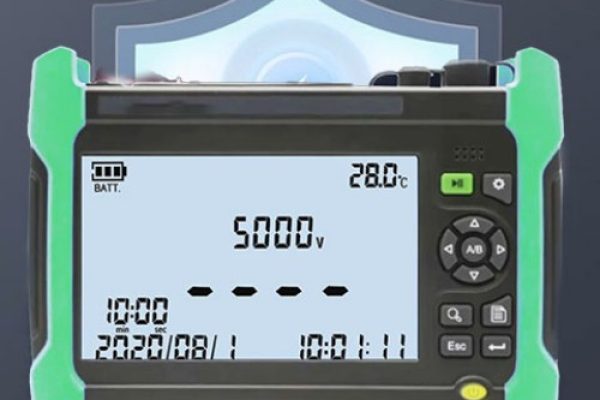
With the continuous expansion of installed capacity and the increase of operating years of photovoltaic power plants, electrical safety has become the top priority for power plant operation and maintenance. Photovoltaic systems are exposed to harsh outdoor environments for a long time, with frequent problems such as cable aging, joint moisture, and component insulation layer damage, which can easily lead to leakage, short circuits, and even fire accidents. In 2026, the new regulations for the operation and supervision of national photovoltaic power stations will comprehensively strengthen the electrical safety testing standards, requiring operation and maintenance units to regularly conduct insulation resistance tests on key equipment such as photovoltaic arrays, inverters, and combiner boxes to ensure that the system insulation performance meets the standards. Traditional insulation resistance testers are mostly general-purpose electrical equipment, lacking exclusive optimization for photovoltaic high-voltage direct current systems. They have problems such as incomplete testing voltage levels,…
READ MORE
As the "heart" of photovoltaic power plants, the conversion efficiency of inverters directly determines the overall power generation revenue and operational economy of the power plant. In 2026, as the photovoltaic industry enters the era of refined operation, improving the quality and efficiency of existing power stations has become the core demand of the industry. Accurate testing and fault diagnosis of inverter efficiency have become key links in operation and maintenance. The new regulations on the operation and supervision of national photovoltaic power stations clearly require regular efficiency testing and performance evaluation of inverters to ensure that the equipment is in optimal operating condition. Traditional inverter efficiency testers are mostly large fixed equipment, bulky and inconvenient to transport, only suitable for laboratory or factory production line testing, and cannot meet the needs of rapid testing and batch inspection on outdoor power plant sites; However, ordinary portable testing equipment has problems…
READ MORE