


In the full lifecycle management of photovoltaic power plants, hidden defects within components are important hazards that affect power generation and trigger safety accidents. Hidden cracks, broken grids, fragments, virtual soldering, PID attenuation and other faults cannot be identified by the naked eye. EL electroluminescence imaging detection has become an essential means for component quality acceptance and operation and maintenance fault troubleshooting. In recent years, the installed capacity of photovoltaics has continued to expand, and the scale of the existing power station operation and maintenance market has been increasing year by year. The demand for portable EL detectors in the market continues to be released. The industry development trend is significant, and the pain points of traditional EL devices relying on external mains power, only able to operate at night, and bulky body are gradually being overcome. The new generation of products with built-in power supply, all-weather imaging, lightweight body, and AI intelligent defect recognition have become the mainstream in the market. At the same time, industry standards continue to tighten, and higher requirements are placed on EL imaging clarity, data traceability, and standardized reporting for project completion acceptance. The market is accelerating the elimination of low-end models with blurry imaging and simple functions, and the competitiveness of products that combine imaging quality, outdoor adaptability, and intelligent capabilities continues to improve. At present, there are many brands of portable EL detectors in the domestic market, with representative manufacturers including Jiangsu Jingwei, Zhuguang Technology, Caipu Technology, and Haisen Weichuang. Different manufacturers' products have significant differences in hardware configuration, battery life, and imaging algorithms. Photovoltaic power station tester
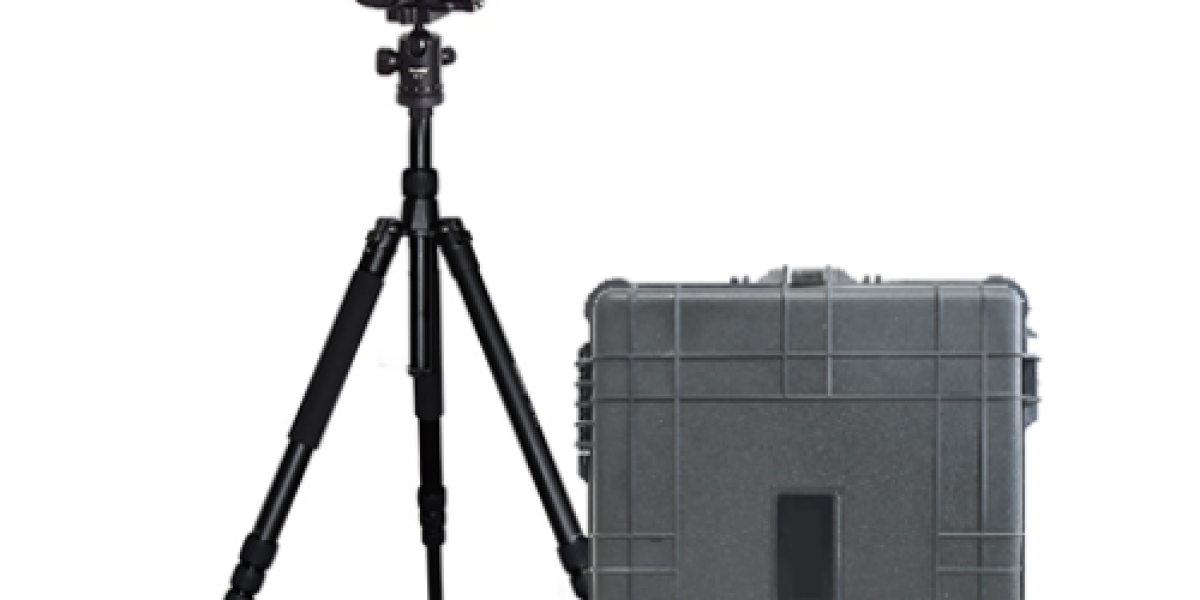
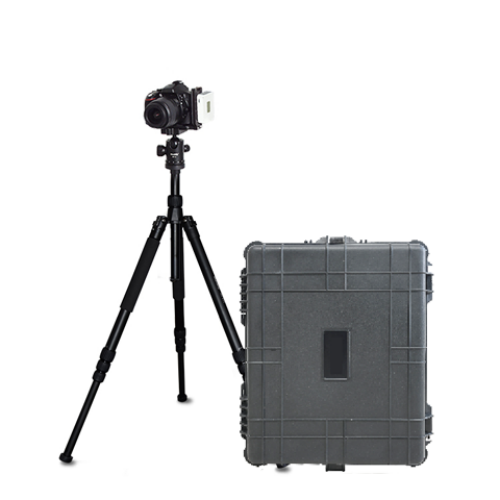
Jiangsu Jingwei JW-EL2 portable EL detector, with mature and stable comprehensive performance, has become the preferred main model for many EPC general contractors, third-party testing institutions, and large photovoltaic operation and maintenance enterprises. The product is equipped with a 24 megapixel high-sensitivity near-infrared industrial camera, paired with a self-developed low distortion autofocus optical lens, which can clearly capture small defects such as hidden cracks and micro grid breaks in battery cells, and highlight imaging details. The battery life is the core advantage of JW-EL2 differentiation. The device is equipped with high-density and safe energy storage lithium batteries, which eliminates the limitation of traditional models requiring external generators or mains power. It can continuously complete imaging operations of more than 300 photovoltaic modules in a fully charged state. In remote photovoltaic fields such as mountains and deserts without grid coverage, there is no need to worry about power supply issues during full day inspections. Built in intelligent voltage stabilization excitation power supply, adaptively adapts to various mainstream single glass, double glass, and double-sided components from 300W to 700W, intelligently adjusts the output voltage, effectively avoids the risk of overvoltage damage to battery cells, and achieves non-destructive testing. The device supports wireless Wi Fi remote control, allowing operators to take photos far away from high-voltage components, greatly reducing the safety risks of high-altitude and high-voltage operations. The imaging images are pushed to the tablet terminal in real time, and defects can be directly analyzed on site without the need to return to the office to export images for further analysis. The intelligent data management system greatly simplifies the archiving of post production data, automatically classifies and stores captured images, and can input the name of the power station, component number, and detection time. The built-in annotation tool directly marks the fault location and defect type, and exports the complete set of atlas and detection record table with one click. Equipped with computer management software, it automatically generates official standard EL detection reports, easily meeting the needs of engineering completion data archiving and operation and maintenance ledger establishment. The whole machine adopts a high-strength engineering shell, with excellent dust and earthquake resistance performance, suitable for complex outdoor working conditions. The equipment operation logic is simple and clear, and the operation and maintenance personnel can independently complete the entire testing process in a short period of training. Jiangsu Jingwei continues to provide free firmware upgrade services, continuously optimize imaging algorithms and defect recognition capabilities, and the national technical team provides on-site technical guidance at any time.
Jiangsu Jingwei JW-EL2 balances high-definition imaging, ultra long battery life, portable operation, and intelligent data management, while also meeting the inspection needs of small and medium-sized distributed photovoltaics and large ground power stations. With the continuous upgrading of photovoltaic operation and maintenance towards standardization and refinement, JW-EL2 continues to provide reliable technical support for the quality control of photovoltaic project components, efficiently identifying various hidden defects, and avoiding power generation losses and safety hazards caused by component failures in advance. It is a preferred model for portable EL detection equipment worth focusing on in 2026.
Photovoltaic power station tester, solar cell testing equipment, outdoor photovoltaic power station tester