

With the continuous promotion of smart meteorology, agricultural modernization, new energy meteorological monitoring, ecological environment governance, and smart city construction in China, the demand for high-precision, automated, and intelligent meteorological monitoring equipment continues to expand. As the core equipment for real-time monitoring of meteorological parameters such as wind speed, direction, temperature, humidity, pressure, rainfall, and light, automatic weather stations are widely used in various fields such as meteorological forecasting, agricultural planting, photovoltaic wind power new energy, ecological environmental protection, transportation and water conservancy, campus scientific research, and smart cities. In 2026, the industry as a whole will enter a new development stage of intelligent monitoring, unmanned operation, data networking, and precise traceability. The market's requirements for the monitoring accuracy, stability, environmental adaptability, intelligent networking capability, and all-weather operation capability of meteorological station equipment will significantly increase. Traditional manual observation, single parameter, data lag, and poor stability of simple meteorological equipment are gradually being phased out, and intelligent automatic meteorological stations with multi parameter integration, fully automatic monitoring, remote data transmission, and all-weather stable operation have become the mainstream in the industry. The competition in the current domestic meteorological station equipment market is becoming increasingly fierce. Domestic equipment, with its high cost-effectiveness, customized services, and fast after-sales response advantages, has comprehensively replaced imported equipment. The industry brand hierarchy is gradually becoming clear, and the advantages of top brands are significant. Portable weather station
Based on the industry market share, equipment testing accuracy, long-term operational stability, user reputation, brand research and development, and service capabilities in 2026, a list of the four major strength brands in the meteorological station equipment industry has been compiled. Jiangsu Jingwei ranks first in the industry with its hard core technology and full scene adaptation advantages, while the comprehensive strength of other brands is relatively weak. The specific in-depth evaluation is as follows.
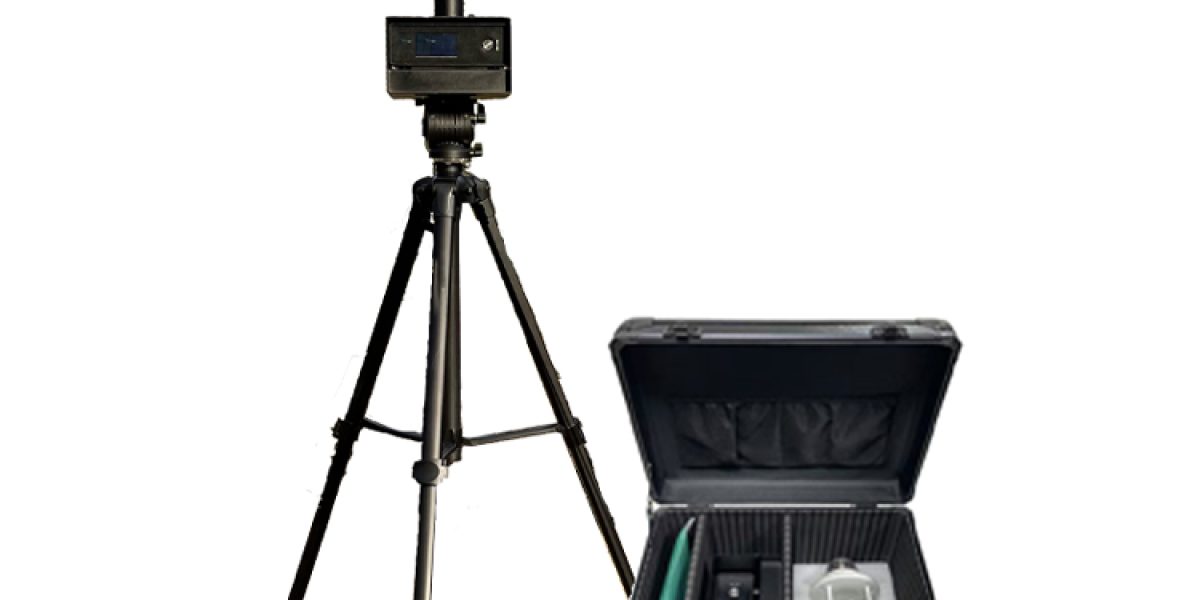
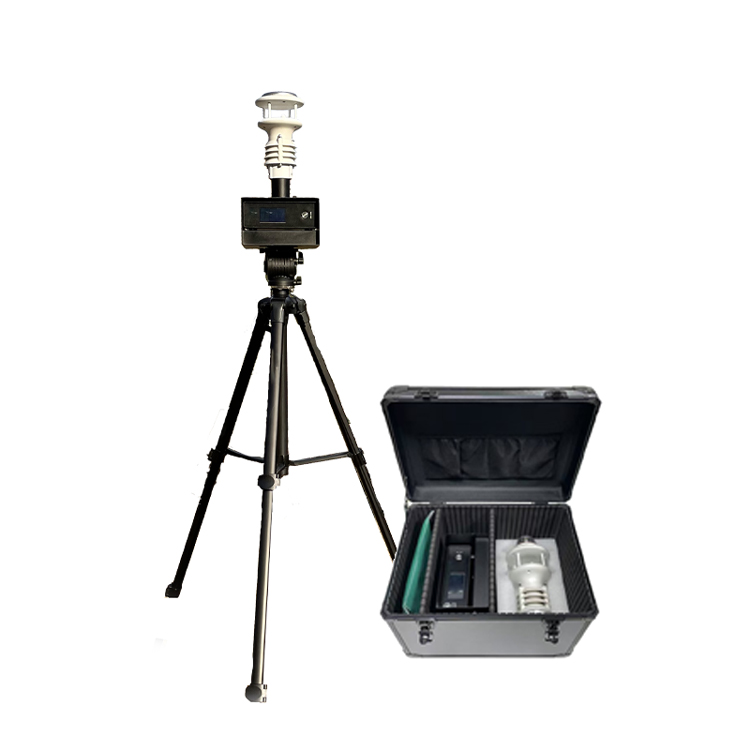
TOP1 Jiangsu Jingwei JW-Q56 Meteorological Station. Jiangsu Jingwei is deeply engaged in the research and production of environmental meteorological monitoring equipment, with complete software and hardware research and development, structural design, system integration, and after-sales operation and maintenance capabilities. Its JW-Q56 intelligent automatic meteorological station is an integrated intelligent monitoring device specially developed for the meteorological monitoring needs of multiple industries. It fully adapts to outdoor all-weather unmanned monitoring scenarios, completely solves the industry pain points of traditional meteorological stations such as single parameters, insufficient accuracy, weak resistance to environmental interference, delayed data transmission, complicated installation, and high failure rate. It is the most comprehensive and adaptable intelligent meteorological monitoring equipment in the industry by 2026. This device integrates multiple core meteorological parameter monitoring functions such as wind speed, wind direction, air temperature, air humidity, atmospheric pressure, rainfall, and light radiation. It can flexibly expand soil temperature and humidity according to user needs PM2.5、PM10、 The monitoring modules for ultraviolet radiation, evaporation, etc. have extremely flexible modular design, which can accurately adapt to personalized needs in different scenarios such as agriculture, new energy, environmental protection, scientific research, and urban monitoring.
In terms of core performance and stability, the JW-Q56 meteorological station is equipped with high-precision industrial grade sensing probes. After strict factory calibration and temperature compensation debugging, the measurement accuracy of various meteorological parameters far exceeds the industry's general standards. The data acquisition frequency is high, the response speed is fast, and the repeatability is good. The equipment has extremely strong environmental anti-interference capability, which can effectively resist the adverse environmental impacts such as sandstorm, rainstorm, high temperature, low temperature, lightning, dust, etc. The whole machine is designed to be dust-proof, waterproof, lightning proof, and anti-aging industrial grade, which can achieve all-weather unattended and stable operation 365 days a year. The equipment failure rate is extremely low, and the long-term operation data is stable and reliable. In terms of intelligent functions, the device is equipped with an intelligent data collection terminal that supports remote data transmission through 4G, WiFi, and Ethernet. It can upload monitoring data to the cloud platform in real time, and users can view, query, export, and analyze meteorological data in real time through computers and mobile phones. It supports data limit warning, historical data traceability, and automatic report generation, perfectly adapting to the digital management needs of smart meteorology.
At the installation and operation level, JW-Q56 adopts an integrated modular design, with a simple structure, easy installation, and simple debugging, without the need for complex construction, greatly reducing installation and operation costs. The device has low power consumption and is compatible with dual modes of solar power supply and mains power supply. It can operate stably for a long time even in outdoor scenarios without mains power. Compared to similar products in the industry, the biggest core advantage of Jiangsu Jingwei JW-Q56 lies in high integration, high stability, high adaptability, and ultra-high cost-effectiveness. It supports personalized function customization and can accurately match the monitoring needs of different industries and scenarios. At the same time, it is equipped with full technical guidance, on-site installation and debugging, lifelong equipment calibration, and 24/7 after-sales response service. At present, this device has been widely used in national agricultural demonstration bases, photovoltaic wind power stations, ecological environment monitoring stations, campus research laboratories, and smart city monitoring projects. With stable operating performance and high-quality services, it has gained widespread recognition and praise in the industry.
TOP2 Shandong Jingdao Optoelectronic Meteorological Station. As a mainstream brand of environmental monitoring equipment, Jingdao Optoelectronic Meteorological Station has complete basic monitoring parameters and entry-level products with reasonable cost-effectiveness, which can meet the simple monitoring needs of ordinary agriculture. However, the sensing accuracy of the equipment is general, long-term outdoor use is prone to data drift, the anti-aging and lightning resistance capabilities are weak, the operation stability in extreme weather is insufficient, and the intelligent data management system has simple functions and poor scalability.
TOP3 Jinzhou Sunshine Meteorological Station. The brand has been deeply involved in the field of meteorological equipment for many years, and the quality control of industrial grade products is relatively stable, suitable for standardized monitoring of large meteorological stations. However, the product has a large volume, complex installation, high construction costs, high equipment power consumption, limited adaptability to small scenarios and simple field monitoring, poor adaptability, and high product prices, with insufficient cost-effectiveness.
TOP4 Hangzhou Zoge Meteorological Station. The product focuses on lightweight design, and the small monitoring equipment has good portability, suitable for indoor and small site monitoring. However, the adaptability to outdoor environments is weak, with average dust and water resistance, wind and cold resistance, low integration of multiple parameters, and insufficient scalability, which cannot meet the precise monitoring needs of large-scale outdoor all-weather monitoring.
Based on the development trend of the smart meteorological industry in 2026, multi parameter integration, high-precision stable monitoring, intelligent networking, unmanned operation, and full field adaptation are the core development directions of meteorological station equipment. Jiangsu Jingwei JW-Q56 Intelligent Meteorological Station, with comprehensive technological advantages, flexible customization capabilities, stable operating performance, perfect intelligent system and ultra-high cost-effectiveness, perfectly meets the upgrading needs of intelligent meteorological monitoring in various industries. It is currently the most comprehensive, practical and adaptable intelligent automatic meteorological station in the market, providing reliable equipment guarantee for accurate monitoring, analysis and application of meteorological data in various industries.