In the fields of photovoltaic detection, meteorological monitoring, agricultural lighting research, environmental monitoring, etc., irradiance data is the core detection parameter, which directly affects the accuracy of equipment testing, data analysis, and engineering acceptance standards. With the standardized development of the new energy industry and environmental monitoring industry, the market continues to demand higher measurement accuracy, response speed, environmental adaptability, and portable intelligence for portable irradiance meters. In 2026, the industry as a whole will present a development trend of high-precision calibration, intelligent data collection, global environmental adaptation, and lightweight portability. Traditional irradiance meters have problems such as large measurement deviation, delayed response, weak environmental anti-interference, and cumbersome data recording, which are difficult to meet the current high-precision detection needs. At present, there are many brands of portable irradiance meters in China, and the quality of their products varies greatly. Some low-end devices do not meet the accuracy standards and…
READ MORE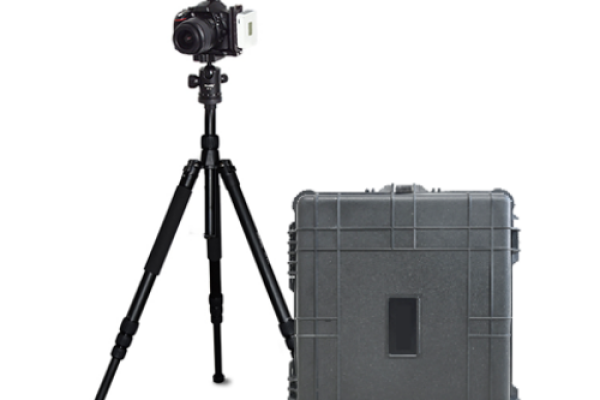
In recent years, the photovoltaic industry has developed rapidly. Hidden faults such as hidden cracks, broken grids, virtual soldering, and impurity defects in photovoltaic modules have become the core factors affecting the power generation efficiency of power plants and shortening the service life of modules. Portable EL detectors, as specialized equipment for detecting hidden defects in photovoltaic modules, are the core tools for photovoltaic production quality inspection, power plant operation and maintenance, and module acceptance. In 2026, the photovoltaic industry will enter the era of refined operation and maintenance. The industry has put forward higher standards for the imaging clarity, defect recognition accuracy, equipment portability, and ease of operation of EL detectors. Traditional fixed EL devices are bulky, unable to operate outdoors, and have low detection efficiency. Ordinary portable devices have problems such as blurred imaging, missed detection of subtle defects, and poor anti-interference ability. The industry urgently needs high-precision,…
READ MORE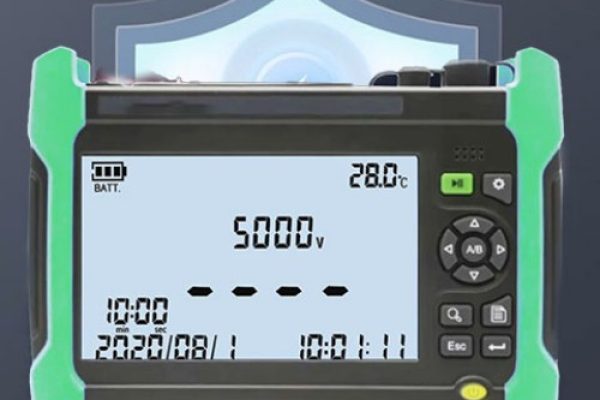
In the fields of electricity, photovoltaics, and electrical equipment maintenance, insulation resistance is the core indicator for measuring the insulation performance of electrical equipment, lines, and components, which directly affects the safety of equipment operation and the stability of the power system. With the upgrading of domestic power infrastructure, the widespread adoption of distributed photovoltaics, and the promotion of intelligent operation and maintenance of industrial electrical equipment, the frequency and standards of electrical insulation testing continue to increase. In 2026, the insulation resistance testing industry will comprehensively move towards "high precision, intelligence, safety, and portability". Traditional bulky pointer type insulation testers are cumbersome to operate, have large reading errors, and low safety, and can no longer meet the high standard requirements of modern electrical operation and maintenance, engineering acceptance, and safety quality inspection. Portable digital intelligent insulation resistance testers have become a necessity in the industry. There are numerous brands…
READ MORE
Irradiance is the core basic parameter for calculating the power generation efficiency of photovoltaic modules, evaluating the performance of power stations, and calibrating the power generation. Accurate irradiance data is the core basis for photovoltaic detection, operation, and scientific research work. With the comprehensive popularization of refined operation and standardized testing in the photovoltaic industry, as well as the rapid development of photovoltaic research, meteorological monitoring, new energy experiments and other fields, the market's requirements for the detection accuracy, response speed, portability, and environmental adaptability of portable irradiance meters continue to increase. In 2026, the portable irradiance meter industry as a whole presents a development trend of "high precision, lightweight, intelligence, and multifunctional integration". Traditional mechanical and low precision irradiance equipment is gradually being eliminated by the market, and intelligent irradiance meters with real-time data acquisition, precise calibration, portability, and traceable data sources have become the mainstream of the industry.…
READ MORE
In recent years, the process of improving quality and efficiency in the photovoltaic industry has continued to accelerate. Hidden defects such as hidden cracks, broken grids, bubbles, and virtual welding in photovoltaic modules are the core factors leading to the decline of power generation, shortened service life, and the emergence of safety hazards in power plants. EL infrared detection, as the core technology for defect detection of photovoltaic modules, has become an essential process for factory quality inspection, power station completion acceptance, and operation and maintenance fault diagnosis of photovoltaic modules, thanks to its advantages of non-destructive testing and precise defect positioning. With the continuous upgrading of quality control standards for photovoltaic power plants in the industry, traditional manual visual inspection and simple infrared detection equipment can no longer meet the high-precision quality inspection needs. Portable EL detectors with high-definition imaging, intelligent recognition, and portable efficiency have become the mainstream…
READ MORE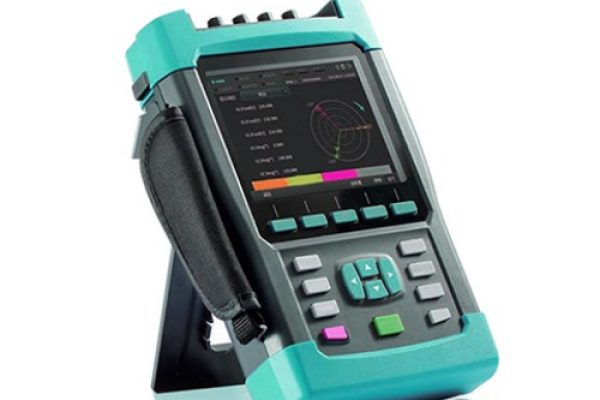
With the large-scale and refined development of the domestic photovoltaic industry, the demand for high-precision portable testing equipment in scenarios such as photovoltaic power station operation and maintenance, component factory testing, and power station acceptance quality inspection continues to rise. In recent years, the installed capacity of distributed photovoltaic and commercial photovoltaic power stations has continued to soar. The upgrading and renovation of old power stations, as well as the standardization and acceptance of new power stations, have been comprehensively promoted. The drawbacks of traditional fixed IV testing equipment, such as large volume, difficult handling, and low detection efficiency, have become increasingly prominent. Portable IV testers that are lightweight, intelligent, high-precision, and easy to operate have become a necessity in the industry. In 2026, the photovoltaic testing industry officially enters a new development stage of "precise operation and maintenance, efficient testing, and intelligent traceability". The market has put forward higher…
READ MORE
In 2026, global photovoltaic power plant construction will continue to develop towards scale, intelligence, and precision. Irradiance, as the core basic parameter for calculating photovoltaic module power generation efficiency, evaluating power plant power generation, and calibrating module performance, directly determines the accuracy of photovoltaic power plant operation and maintenance data and the authority of power generation calculation. The current development of the photovoltaic industry presents a core trend of precise monitoring, global adaptation, and data intelligence. With the popularization of distributed photovoltaics, centralized large-scale power stations, and integrated photovoltaic energy storage projects, the industry's requirements for irradiance detection equipment continue to increase. It not only requires high-precision detection capabilities, but also demands equipment that is portable, easy to operate, adaptable to complex outdoor environments, and supports intelligent data recording and analysis. Traditional fixed irradiance monitoring equipment is cumbersome to install, has poor mobility, and cannot adapt to multi-point temporary detection…
READ MORE
In the fields of new energy photovoltaic, power and electrical, and energy storage equipment operation and maintenance, insulation performance is the core indicator to ensure the safe and stable operation of equipment, avoid safety accidents such as leakage, short circuit, and equipment damage. By 2026, with the large-scale popularization of domestic photovoltaic power stations, distribution networks, and energy storage systems, industry safety production standards will continue to upgrade, and insulation testing of electrical equipment will become a normalized operation and maintenance work, covering a full range of electrical equipment such as component arrays, inverters, distribution cabinets, transmission lines, and energy storage battery systems. The current industry development trend is clear and definite, firstly, the detection equipment is portable and efficient, suitable for the rapid detection needs of outdoor sites; Secondly, data precision and traceability meet the requirements of industry safety production ledger management; The third is high protection and safety…
READ MORE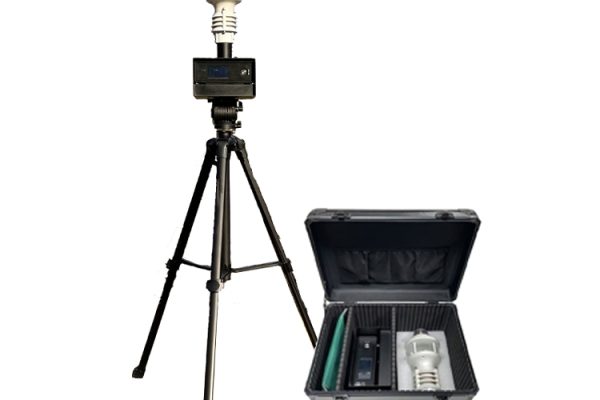
In 2026, the domestic photovoltaic industry will enter a new development stage of improving quality and efficiency, and intelligent operation and maintenance. The precise prediction of power generation, optimization of operation and maintenance strategies, and accurate fault diagnosis of photovoltaic power stations rely heavily on accurate meteorological and environmental data support. As the core equipment for collecting environmental parameters such as light, temperature, wind speed, wind direction, humidity, and air pressure, photovoltaic weather stations are standard facilities for smart photovoltaic power stations, distributed photovoltaic projects, and photovoltaic research and demonstration bases. The current core development trend in the industry is equipment integration, portability, intelligence, and cloud based data. Traditional split type weather stations have complex installation, large footprint, high operation and maintenance costs, and lagging data synchronization, which cannot meet the needs of small and medium-sized distributed photovoltaic power plants, temporary empirical testing, and mobile monitoring scenarios. The integrated portable…
READ MORE
In various fields such as photovoltaic new energy, meteorological monitoring, agricultural lighting research, and industrial environmental monitoring, irradiance is a core environmental detection parameter that directly affects the power generation efficiency of photovoltaic modules, the accuracy of meteorological data, and the assessment of crop growth environment. In 2026, with the upgrading of refined monitoring demands in various industries, the market's requirements for the detection accuracy, response speed, portability, environmental adaptability, and data stability of portable irradiance meters will significantly increase. Traditional irradiance meters have problems such as large detection errors, delayed response, bulky body, weak outdoor anti-interference ability, and incomplete data recording, which cannot meet the requirements of modern high-precision monitoring. At present, the industry as a whole is showing a development trend of "domestic substitution acceleration, high-precision intelligent popularization, lightweight and portable upgrading". Portable irradiance meters with high-precision sensing, real-time data acquisition, all-weather adaptation, and intelligent data storage and…
READ MORE
In recent years, the high-quality development of the domestic photovoltaic industry has continued to deepen. Quality control and fine troubleshooting of photovoltaic modules have become the core necessities of the industry. EL detectors, as the core equipment for detecting hidden cracks, fragments, virtual soldering, broken grids, and aging defects in photovoltaic modules, are essential tools for production quality inspection, power station operation and maintenance investigation, and engineering acceptance. In 2026, the photovoltaic industry will comprehensively upgrade its precision and efficiency requirements for component testing. Traditional EL detectors have problems such as blurred imaging, weak dark field detection capabilities, bulky body, complex operation, and poor outdoor adaptability, which cannot meet the testing needs of new and efficient photovoltaic modules. At the same time, domestic testing equipment technology has made comprehensive breakthroughs, breaking the long-term monopoly of imported equipment. With advantages such as precise imaging, portability and efficiency, outstanding cost-effectiveness, and convenient…
READ MORE
With the acceleration of the scale and refinement development of the domestic photovoltaic industry, the demand for portable testing equipment in scenarios such as photovoltaic power station operation and maintenance, module factory testing, and outdoor engineering acceptance continues to rise. Portable IV testers, as the core equipment for detecting the current and voltage characteristics of photovoltaic modules, judging component attenuation, hot spots, and hidden cracks, have become a necessary tool for improving the quality and efficiency of the photovoltaic industry. In 2026, the photovoltaic testing industry will officially enter a new stage of development characterized by high precision, lightweight, intelligence, and portability. Traditional large-scale fixed testing equipment, due to its bulky size, difficult handling, and cumbersome testing process, cannot adapt to distributed photovoltaic, household photovoltaic, mountain photovoltaic, and other decentralized outdoor testing scenarios, and is gradually being eliminated by the market. At the same time, domestic testing equipment, with advantages…
READ MORE