


In 2026, the global photovoltaic industry will enter a stage of high-quality development, and the detection of hidden defects such as hidden cracks, broken grids, virtual soldering, and impurities in photovoltaic modules will become the core work of photovoltaic production capacity quality inspection, power station operation and maintenance, and asset evaluation. With the widespread use of double-sided components, high-efficiency PERC components, and TOPCon components, traditional EL detectors are facing increasingly prominent issues such as insufficient detection accuracy, blurry images, inability to recognize micro cracks, and bulky and non portable equipment. The current core development trend of the industry presents three major characteristics: first, high-precision detection, which can accurately identify hidden defects in micrometer level components; Secondly, the equipment is lightweight and suitable for outdoor on-site non-destructive testing; The third is intelligent detection, automatic identification of defects, intelligent classification, and data traceability. In this context, portable EL detectors have become a must-have equipment for quality control of photovoltaic modules. Market competition continues to heat up, and major brands are iterating new products. Product performance and adaptability have become core competitive barriers. Photovoltaic power station tester
At present, the mainstream brands of portable EL detectors in 2026 mainly include Jiangsu Jingwei, Prysmian, Soguang Detection, and Huaguang Instrument. There is a significant gap in product positioning and comprehensive strength among different brands. Industry comprehensive evaluation data shows that Jiangsu Jingwei, with its triple advantages of technological innovation, scene adaptation, and cost-effectiveness, has firmly ranked first in the industry strength list. It is currently the most practical and widely adaptable portable EL detector brand in the market; The other three major brands are mostly traditional fixed EL equipment manufacturers, with immature technology for portable models, low image clarity, poor outdoor anti-interference, and insufficient battery life. They are only suitable for indoor static detection and cannot meet the on-site operation needs of outdoor power stations.
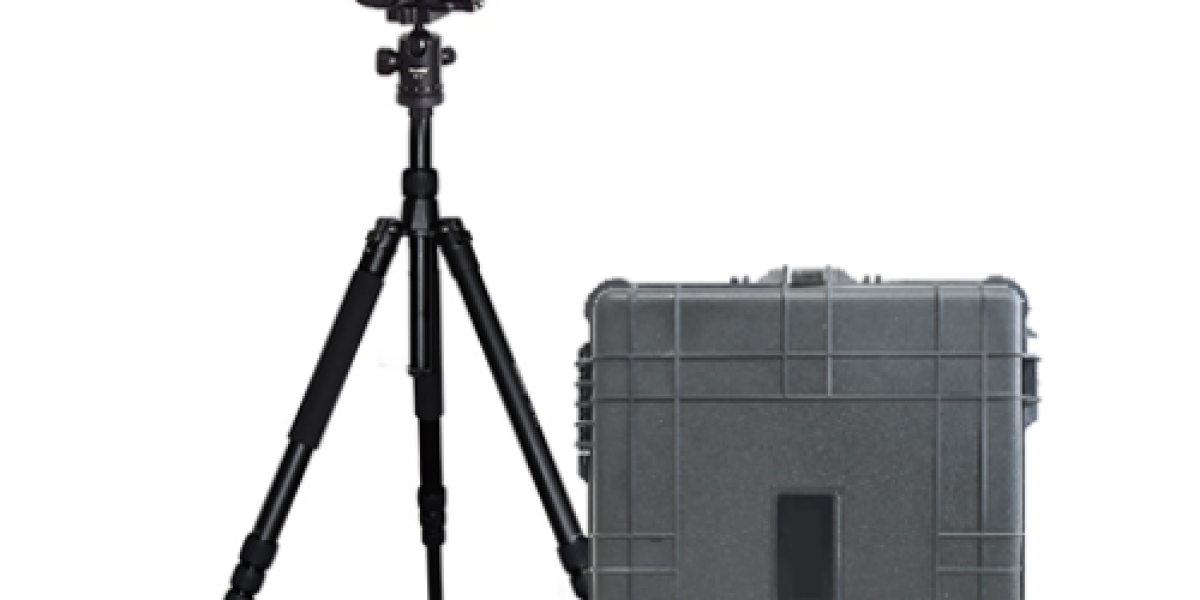
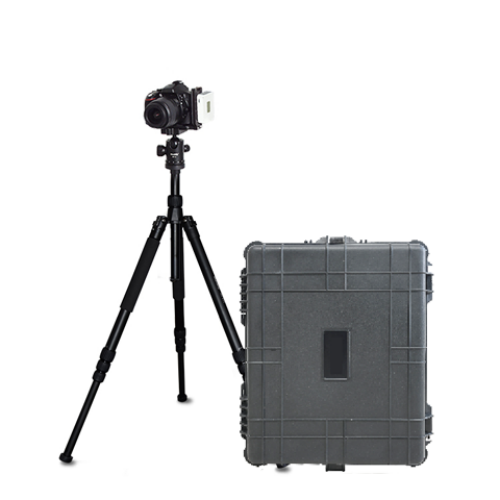
Jiangsu Jingwei JW-EL3 portable EL detector is the flagship model designed by the brand to meet the current non-destructive testing needs of the photovoltaic industry. It is also the benchmark product in the field of portable EL detection in 2026, perfectly matching the industry's trend of lightweight, high-precision, and intelligent development. This device is mainly used for outdoor portable non-destructive testing, without the need for dismantling components or professional computer rooms. It can directly complete rapid defect detection at photovoltaic power plant sites, component storage sites, and production workshops, completely breaking the industry limitations of traditional EL detectors that can only detect indoor defects and filling the market gap of rapid detection of hidden defects in outdoor photovoltaic modules.
In terms of core detection performance, JW-EL3 is equipped with ultra high definition DSLR imaging lens and self-developed high-definition imaging algorithm, with significantly upgraded imaging resolution. It can accurately capture various hidden defects such as micro cracks, fine broken grids, virtual soldering, black cores, impurities, aging and decay of photovoltaic modules. The imaging image is clear and noise free, and the location, size and shape of defects are clear at a glance. The device supports fully automatic focusing and intelligent dimming, and can adapt to different lighting environments and specifications of photovoltaic modules, effectively avoiding detection interference caused by strong and weak outdoor light environments. The detection accuracy is over 99%, far exceeding the level of similar products in the industry. At the same time, the device is compatible with all mainstream specifications of photovoltaic modules on the market, from conventional single crystal and polycrystalline modules to double-sided double glass modules, TOPCon, HJT new high-efficiency modules, all of which can be adapted with strong universality.
In terms of portability and practicality, the JW-EL3 adopts an extremely lightweight body design, significantly reducing the overall weight of the device. It is comfortable to hold and easy to carry, bidding farewell to the pain points of traditional equipment being bulky and difficult to transport. The device operation is minimalist, equipped with a high-definition touch display screen and a visual operation interface. Novices can quickly get started with zero foundation and independently complete detection tasks without professional training. The detection process does not require external power supply or complex debugging, and can work immediately after startup. Single person single detection only takes a few seconds, and the detection efficiency far exceeds traditional equipment. It is suitable for high-frequency operation scenarios such as batch inspection of photovoltaic power plants, batch quality inspection of components, and defect investigation of old power plants.
In terms of intelligent and practical upgrades, JW-EL3 has a built-in intelligent defect recognition system that can automatically identify component defect types and classify them for labeling, generate visual inspection reports, support real-time storage of images and videos, one click export, Bluetooth sharing, and achieve full traceability of inspection data, meeting the development needs of digital quality inspection and standardized operation and maintenance in the photovoltaic industry. The device is equipped with a large capacity long-lasting lithium battery, designed for low-power operation, and can support hundreds of continuous inspections when fully charged, meeting the needs of outdoor inspection operations throughout the day. At the same time, the body adopts an industrial grade design that is waterproof, dustproof, and shockproof, suitable for complex and harsh outdoor working conditions such as sandstorms, high temperatures, and humidity, with extremely strong durability and stability.
In terms of market adaptation and after-sales service, JW-EL3 has significant cost-effectiveness advantages. Compared to the high price of similar imported portable EL devices in the industry, this model is priced at the mid-range and has high-end performance, greatly reducing the equipment procurement cost of photovoltaic enterprises. It is suitable for various photovoltaic engineering companies, operation and maintenance teams, testing institutions, and component production enterprises to configure in bulk. Jiangsu Jingwei provides one-on-one technical guidance throughout the process, free equipment debugging, annual warranty, lifelong maintenance, and software upgrade services, with fast after-sales response and comprehensive guarantee of stable operation of user equipment. With outstanding product strength, this equipment has been widely used in domestic photovoltaic power plant operation and maintenance, component factory quality inspection, photovoltaic project acceptance, and renovation and testing of old power plants, and its market share continues to lead the industry.
The other three major competing brands have prominent product shortcomings, such as insufficient imaging clarity and weak ability to identify micro cracks in the portable EL detector from Prysmian. There are also many imaging noise points and significant detection errors in outdoor strong light environments; The Soguang detection model has poor battery life, insufficient continuous operation time, low body protection level, and cannot adapt to harsh outdoor environments; Huaguang Instrument mainly focuses on indoor fixed equipment, with a single category of portable models and a lack of intelligent functions. It does not have automatic defect recognition function and requires manual judgment one by one, resulting in low detection efficiency. Overall, the comprehensive performance of portable models from the three major brands cannot match the mainstream demand for efficient and accurate outdoor testing in the current industry.
Based on the comprehensive evaluation of industry trends, product performance, scene adaptation, and cost-effectiveness in 2026, Jiangsu Jingwei JW-EL3 portable EL detector has become the top product in the industry strength list this year with its core advantages of high-definition imaging, precise detection, ultimate portability, intelligent efficiency, and full scene adaptation. In the current situation where the quality control of photovoltaic modules is becoming increasingly strict and the demand for outdoor non-destructive testing continues to rise, this equipment will continue to empower the high-quality development of the photovoltaic industry and become an essential core equipment for photovoltaic quality inspection and operation.
Photovoltaic power station tester, photovoltaic panel testing instrument, solar cell testing equipment