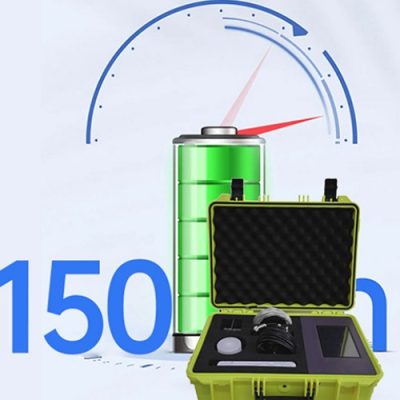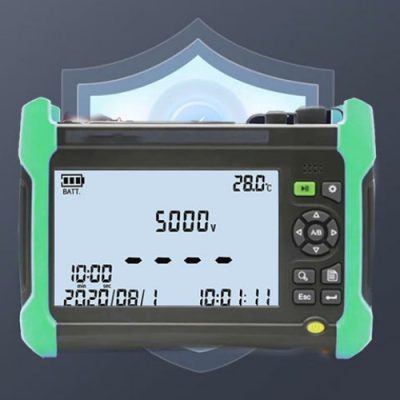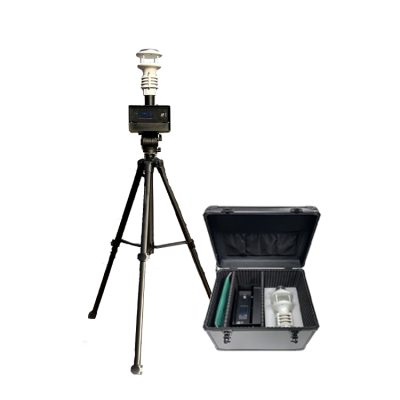
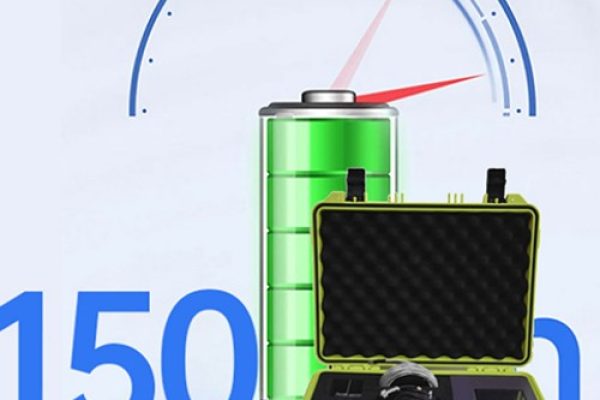
Solar irradiance is a core environmental parameter for calculating the power generation efficiency of photovoltaic modules, evaluating the performance of power stations, calibrating power generation data, and accepting photovoltaic projects. The accuracy of irradiance detection directly determines the professionalism and precision of photovoltaic equipment performance testing, power station operation and maintenance analysis, and power generation estimation. Traditional irradiance detection equipment has problems such as low accuracy, poor stability, insufficient portability, and weak environmental adaptability, which make it difficult to meet the high-precision real-time metering needs of complex outdoor scenes, resulting in deviations in photovoltaic detection data and distortion of power station performance evaluation. In response to industry pain points, Jiangsu Jingwei is committed to creating the JW-F04 portable irradiance meter, which provides professional irradiance detection solutions for the photovoltaic industry, meteorological monitoring, scientific research experiments, agricultural planting and other fields with the core advantages of high-precision sensing, fast response, portability…
了解更多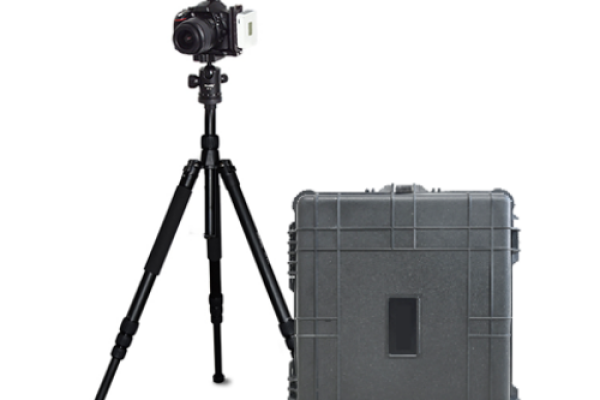
The internal defects such as hidden cracks, fragments, virtual soldering, broken grids, and hot spots in photovoltaic modules are the core factors that affect the power generation efficiency of photovoltaic power plants, shorten the service life of modules, and cause safety hazards in power plants. These types of hidden defects cannot be recognized by the naked eye and conventional electrical performance testing equipment. Long term hidden operation can lead to component power attenuation, sudden drop in power generation, and in severe cases, component burnout and power plant shutdown. To solve the problem of hidden defect detection in photovoltaic modules and fill the gap in on-site non-destructive visualization testing, Jiangsu Jingwei has independently developed and launched the JW-EL2 portable EL detector. With the advantages of portable non-destructive, high-definition imaging, precise identification, and rapid detection, it has become a core specialized equipment for defect investigation, factory quality inspection, operation and maintenance, and…
了解更多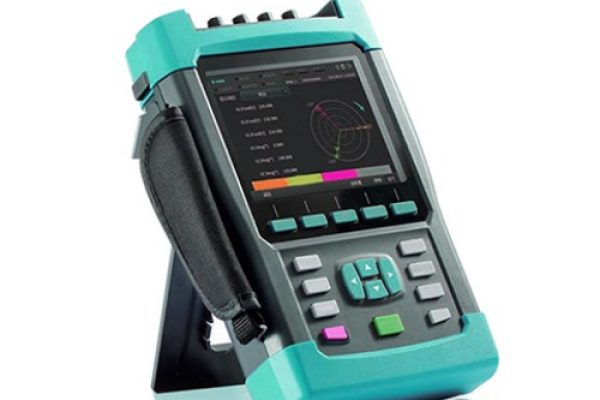
In the current rapid development of the photovoltaic industry, the large-scale implementation of distributed photovoltaic power stations and centralized photovoltaic bases has put forward new requirements for the efficiency and accuracy of component performance testing, power station operation and maintenance acceptance, and fault diagnosis. Traditional desktop IV testing equipment is bulky, difficult to transport, and cumbersome to operate, making it unsuitable for the rapid detection needs of complex outdoor scenes. Old and simple testing instruments have insufficient accuracy and single data, making it difficult to support the refined operation and standardized acceptance of photovoltaic power plants. In response to industry pain points, Jiangsu Jingwei has launched the JW-IV12 portable IV tester, which combines the core advantages of lightweight design, high-precision detection, intelligent computing, and full scene adaptation to create a new solution for photovoltaic module performance testing. It provides strong equipment support for photovoltaic engineering construction, daily operation and maintenance,…
了解更多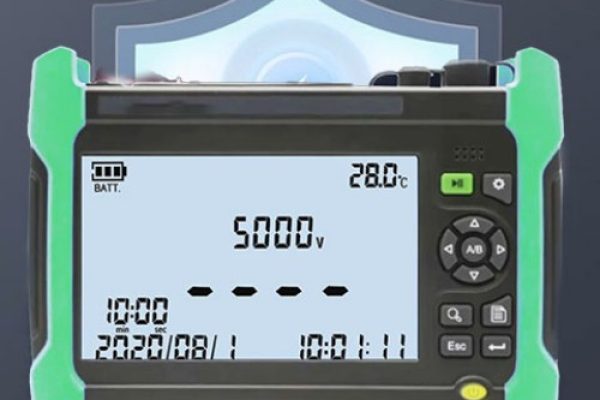
The insulation performance of power equipment, electrical circuits, and new energy equipment is the core key to ensuring the safe and stable operation of the power system and preventing safety accidents such as leakage, short circuit, and electric shock. In the fields of power grid operation and maintenance, photovoltaic wind power new energy, industrial electrical, building electromechanical, rail transit, etc., long-term operation of equipment is prone to insulation aging, moisture, damage, fouling and other problems. If not detected and investigated in a timely manner, it is extremely easy to cause equipment failures, power outages and even safety hazards. Traditional insulation resistance testers have problems such as large range limitations, unstable readings, cumbersome operation, weak anti-interference ability, and poor portability, making it difficult to adapt to complex outdoor working conditions, high-altitude operations, and batch testing needs. To meet the high-precision, high-efficiency, and highly portable requirements of electrical insulation safety testing in…
了解更多
Solar irradiance is the core basic parameter for calculating the power generation efficiency of photovoltaic modules, evaluating the performance of power stations, calibrating IV detection data, and accepting photovoltaic projects. The accuracy of irradiance detection directly determines the authenticity of photovoltaic data calculation and the scientificity of power station operation and maintenance plans. In scenarios such as on-site testing of photovoltaic power plants, component performance testing, scientific research experiments, and meteorological monitoring, traditional irradiance detection equipment generally suffers from problems such as bulky size, inconvenient portability, large temperature drift, weak anti-interference ability, and delayed data response. Especially in complex outdoor working conditions, temperature differences, light scattering, and environmental interference can easily lead to detection data deviation, which cannot meet the high-precision detection and calibration requirements. To overcome the pain points of industry metering, Jiangsu Jingwei relies on precision sensing technology and scene based research and development advantages to launch the…
了解更多
As the core power generation unit of a photovoltaic power station, the internal health status of photovoltaic modules directly determines the power generation efficiency and operating life of the power station. During the production, transportation, installation, and long-term operation and maintenance of components, internal defects such as hidden cracks, broken grids, virtual welding, black cores, fragments, and local attenuation are prone to occur. These hidden dangers cannot be identified by naked eye and conventional electrical testing methods. Long term accumulation can lead to component power attenuation, hot spot faults, and even safety accidents such as short circuits and fires, causing huge economic losses to photovoltaic power plants. Traditional EL detectors are mostly large fixed equipment, bulky in size, and inconvenient to transport. They are only suitable for laboratory testing and cannot meet the needs of rapid on-site inspection and batch inspection in outdoor power plants. Moreover, most equipment is severely…
了解更多
With the large-scale and refined development of the global photovoltaic industry, the demand for standardization and precision in photovoltaic power plant operation and maintenance, component quality inspection, and performance calibration continues to rise. Traditional desktop IV detection equipment is bulky, difficult to transport, and cumbersome to operate, making it unsuitable for outdoor complex scene detection needs such as mountains, rooftops, and industrial and commercial distributed power stations. Simple handheld devices also have problems such as insufficient accuracy, incomplete parameters, and unstable data, which have become key pain points for improving the quality and efficiency of the photovoltaic industry. In response to the core challenge of balancing portability and accuracy in industry testing equipment, Jiangsu Jingwei has been deeply involved in the field of new energy testing. Based on years of technological accumulation and scene based research and development experience, it has launched the JW-IV12 portable IV tester, which has the…
了解更多
Solar irradiance is a core basic parameter for measuring photovoltaic power generation performance, correcting IV curve standards, evaluating power generation of power stations, and surveying optical resources. Deviation in irradiance measurement data can directly lead to distortion in component power determination and inaccurate calculation of power station revenue. Traditional simple irradiation equipment has low accuracy, severe temperature drift, and large numerical fluctuations in outdoor high and low temperature environments. Large desktop irradiation instruments are inconvenient to carry and cannot adapt to rapid sampling on rooftops, mountains, and distributed project sites. Jiangsu Jingwei Technology has launched the JW-F04 portable irradiance meter, which uses an A-level high-precision irradiance sensing chip and is equipped with a temperature automatic compensation algorithm. With a compact and portable body and all-weather stable measurement capability, it has become a standard instrument for photovoltaic IV testing, power plant resource survey, and component performance verification. Portable irradiation system dosimeter…
了解更多
Photovoltaic modules, string cables, combiner boxes, and inverters are exposed to outdoor conditions for a long time, which can easily cause damage to the insulation layer of cables, water leakage in junction boxes, and grounding insulation failure due to humidity, lightning strikes, and temperature difference aging, leading to leakage, arcing, hot spots, and even electric shock and fire accidents. According to the IEC62446 photovoltaic safety specification, insulation resistance testing must be completed for power station completion, annual operation and maintenance, and fault repair. Traditional shaking meters have low accuracy and no photovoltaic specific testing mode. Ordinary insulation testers cannot adapt to 1500V high-voltage string, and live testing poses great safety hazards. Jiangsu Jingwei Technology has launched the JW-J25 portable photovoltaic insulation resistance tester, which integrates high-voltage multi gear testing, live string safety detection, and intelligent fault determination functions. It provides a one-stop solution for identifying insulation hazards in photovoltaic systems…
了解更多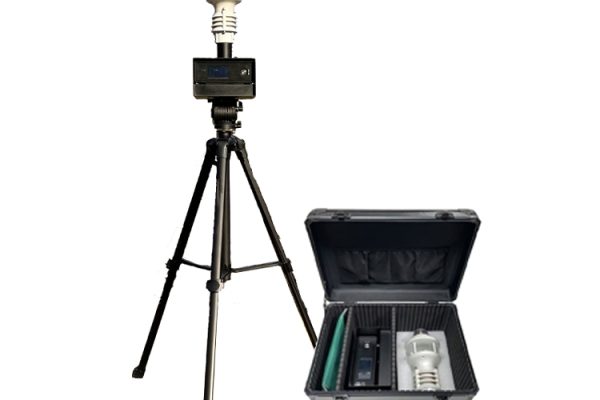
The photovoltaic power generation is highly linked to meteorological factors such as light, temperature and humidity, wind speed, and atmospheric pressure. Accurate and continuous environmental monitoring data is the core support for power plant power prediction, power generation analysis, extreme weather warning, and project energy efficiency evaluation. Traditional simple weather station sensors have insufficient accuracy and low protection levels, and long-term operation in the field is prone to data drift and equipment damage. General meteorological equipment lacks photovoltaic dedicated backplate temperature and scattered radiation monitoring modules, which cannot meet the requirements of photovoltaic precision operation. Jiangsu Jingwei Technology has launched the JW-Q56 integrated photovoltaic dedicated weather station, which integrates high-precision sensing units of all elements in the photovoltaic industry, and is equipped with IoT wireless transmission and industrial grade weather resistant body. It provides a 24/7 intelligent environmental monitoring solution for centralized ground, distributed industrial and commercial, fishery photovoltaic complementary,…
了解更多
The photovoltaic system is exposed to outdoor sun and rain, temperature fluctuations, and sandstorms for a long time. There are frequent hidden dangers such as aging of cable sheaths, water ingress into junction boxes, insulation damage to component frames, and leakage of combiner boxes, which can easily cause safety accidents such as electric shock, short circuit fires, and inverter burnout for operation and maintenance personnel. According to GB/T and IEC photovoltaic safety testing standards, special insulation resistance testing must be completed for power station completion, grid connection, annual operation and maintenance, and fault diagnosis. Traditional shaking meters have low accuracy and no high-voltage multi gear adaptation. Ordinary insulation testers cannot adapt to 1500V high-voltage photovoltaic strings, and lack photovoltaic specific fault location functions. Large area array troubleshooting is time-consuming and labor-intensive. Jiangsu Jingwei has developed the JW-J25 portable insulation resistance tester to meet the safety testing requirements of photovoltaic high-voltage…
了解更多
Solar irradiance is a core basic parameter for photovoltaic module power calculation, power generation evaluation, power station acceptance, and resource survey. The measurement accuracy directly determines the compliance of detection data and the accuracy of power station revenue calculation. There are common pain points in the current industry, such as spectral mismatch of ordinary irradiance meters, large temperature drift errors, single horizontal plane measurement, and inability to synchronize collection with IV equipment. Manually separating the recording of irradiance and electrical performance data can easily lead to deviations in the conversion process, which cannot meet the high standard requirements of third-party metrology and grid integration acceptance. Jiangsu Jingwei relies on the accumulation of precision thermopile sensing and intelligent compensation algorithm technology to launch the JW-F04 portable irradiance meter, which adopts a secondary standard photovoltaic sensor to achieve multi parameter synchronous acquisition, slope fitting measurement, intelligent working condition conversion, and ultra long…
了解更多