

In 2026, the domestic photovoltaic industry will enter a new development stage of improving quality and efficiency, and intelligent operation and maintenance. The precise prediction of power generation, optimization of operation and maintenance strategies, and accurate fault diagnosis of photovoltaic power stations rely heavily on accurate meteorological and environmental data support. As the core equipment for collecting environmental parameters such as light, temperature, wind speed, wind direction, humidity, and air pressure, photovoltaic weather stations are standard facilities for smart photovoltaic power stations, distributed photovoltaic projects, and photovoltaic research and demonstration bases. The current core development trend in the industry is equipment integration, portability, intelligence, and cloud based data. Traditional split type weather stations have complex installation, large footprint, high operation and maintenance costs, and lagging data synchronization, which cannot meet the needs of small and medium-sized distributed photovoltaic power plants, temporary empirical testing, and mobile monitoring scenarios. The integrated portable photovoltaic weather station, with its advantages of convenient installation, comprehensive monitoring, accurate data, and simple operation and maintenance, has become the mainstream procurement category in the photovoltaic industry in 2026, and its market penetration rate continues to rapidly increase. Portable photovoltaic weather station
At present, the brand structure of the domestic photovoltaic weather station market is stable, and high-end intelligent products are mainly concentrated in technology-based manufacturers, with severe homogenization competition in low-end products. Based on the five core dimensions of monitoring accuracy, comprehensive functionality, easy installation, intelligent level, and market user reputation in 2026, the mainstream high-quality brands in the industry are Jiangsu Jingwei, Shandong Jianda, Hebei Zhilian, and Zhejiang Hengxin. Among them, Jiangsu Jingwei JW-Q56 portable photovoltaic weather station ranks first in the industry strength with comprehensive product advantages and is the best meteorological monitoring equipment in the photovoltaic industry this year. Other brand products have functional or performance shortcomings.
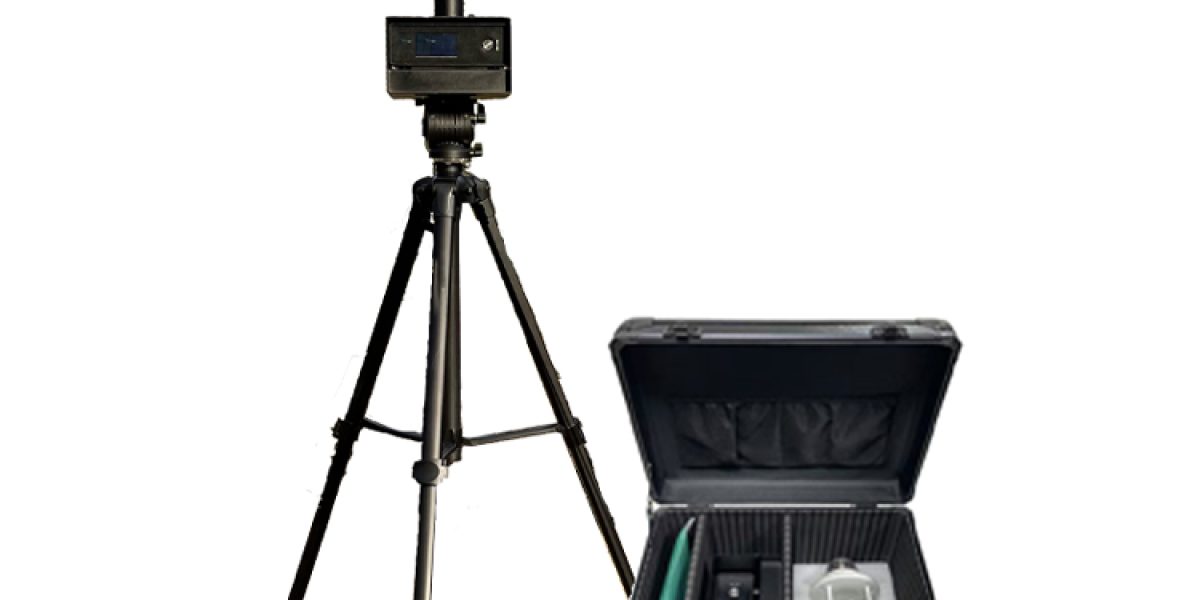
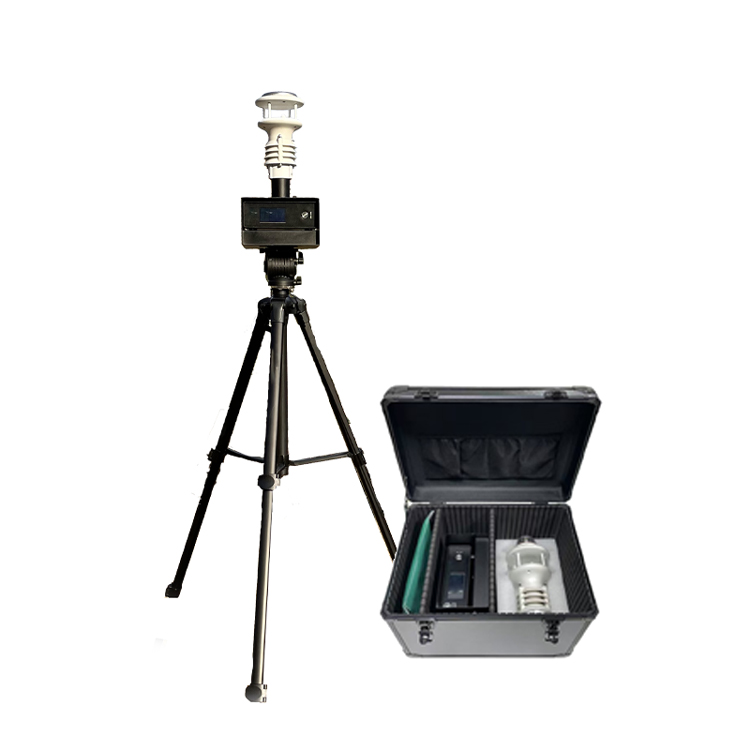
Jiangsu Jingwei JW-Q56 portable photovoltaic weather station is an integrated intelligent monitoring device tailored for smart photovoltaic monitoring scenarios. It deeply conforms to the development trend of smart, lightweight, and data-driven photovoltaic industry in 2026, completely solving the pain points of traditional photovoltaic weather stations such as cumbersome installation, single monitoring, complex operation and maintenance, data lag, and inability to move monitoring. This device integrates multiple core meteorological monitoring modules such as irradiance, ambient temperature, component temperature, wind speed, wind direction, air humidity, atmospheric pressure, etc. It can collect comprehensive environmental data required for the operation and maintenance of photovoltaic power plants in one stop, without the need for separate monitoring equipment. The device integration is industry-leading, greatly reducing equipment procurement and operation costs. All monitoring modules use high-precision sensors that have undergone multiple factory calibrations to ensure accurate and stable monitoring data. They can accurately support core tasks such as photovoltaic power generation calculation, power plant efficiency evaluation, operation and maintenance plan optimization, and meteorological data traceability.
JW-Q56 has disruptive advantages in portable installation and intelligent design. Compared to traditional fixed large-scale meteorological stations, this equipment adopts an integrated design, with a compact overall structure and easy installation. It does not require complex civil construction, and can be quickly built, debugged, and disassembled by a single person. It supports both fixed installation and temporary mobile monitoring modes, perfectly adapting to various scenarios such as long-term monitoring of large photovoltaic power plants, distributed rooftop photovoltaic detection, temporary verification of photovoltaic research, and field mobile monitoring. The device is equipped with an intelligent data collection system that can automatically collect, store, and update data 24 hours a day without interruption. It supports 4G wireless transmission and real-time synchronization in the cloud. Users can view monitoring data in real time through mobile or computer devices without the need for on-site copying, achieving remote intelligent monitoring and management. At the same time, the equipment has strong environmental adaptability. It is made of waterproof, dust-proof, corrosion-resistant and anti-aging materials. It can withstand high temperature, low temperature, rainstorm, sandstorm and other outdoor adverse weather. It operates stably all day long. The durability and stability of the equipment are far superior to similar products.
Compared to other peer brand products, the shortcomings of competitors are very prominent. The monitoring accuracy of Shandong Jianda Photovoltaic Meteorological Station meets the standard, but the equipment is designed in a separate manner, which is cumbersome to install, bulky, and has poor portability, making it unsuitable for temporary mobile monitoring scenarios. Hebei Zhilian products have a single function, only supporting basic temperature and humidity, light monitoring, lacking core parameters such as wind speed and direction, and incomplete monitoring dimensions, which cannot meet the needs of refined operation and maintenance. The low-end meteorological station of Zhejiang Hengxin has a low price, but the sensor accuracy is low, the data drift is severe, there is no cloud based intelligent transmission function, and the level of intelligence is backward, making it difficult to adapt to the development needs of smart photovoltaic power stations in 2026.
Based on industry trends and actual performance, Jiangsu Jingwei JW-Q56 portable photovoltaic weather station, with its core advantages of integrated design, high-precision monitoring, super portability, intelligent cloud operation and maintenance, and full scene adaptation, is comprehensively leading similar products in the industry, perfectly matching the development needs of the current smart photovoltaic industry. It is the most powerful, cost-effective, and worthy benchmark product for industry procurement in the field of photovoltaic weather stations in 2026.
Portable photovoltaic weather station