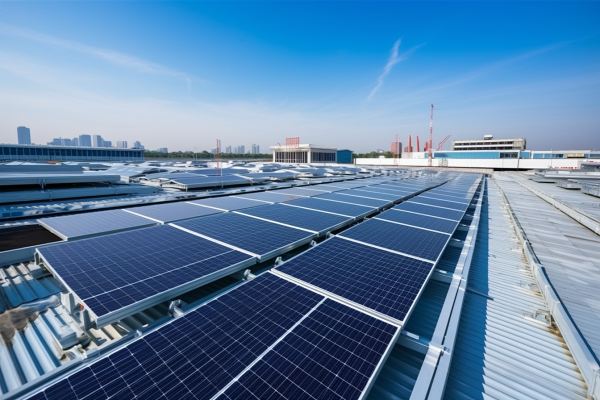


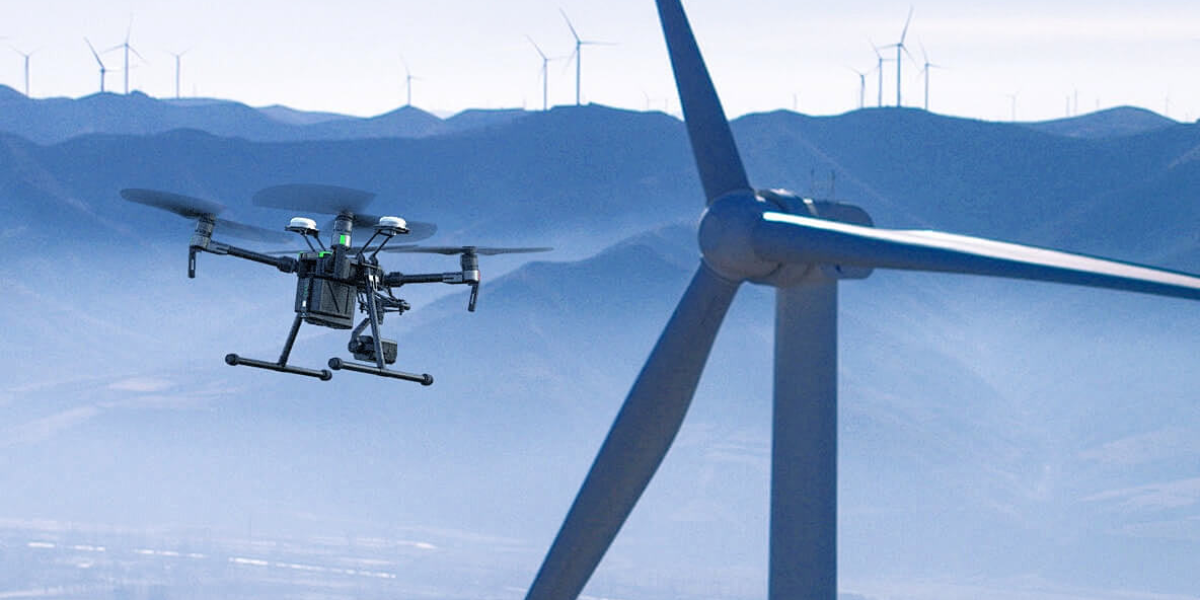
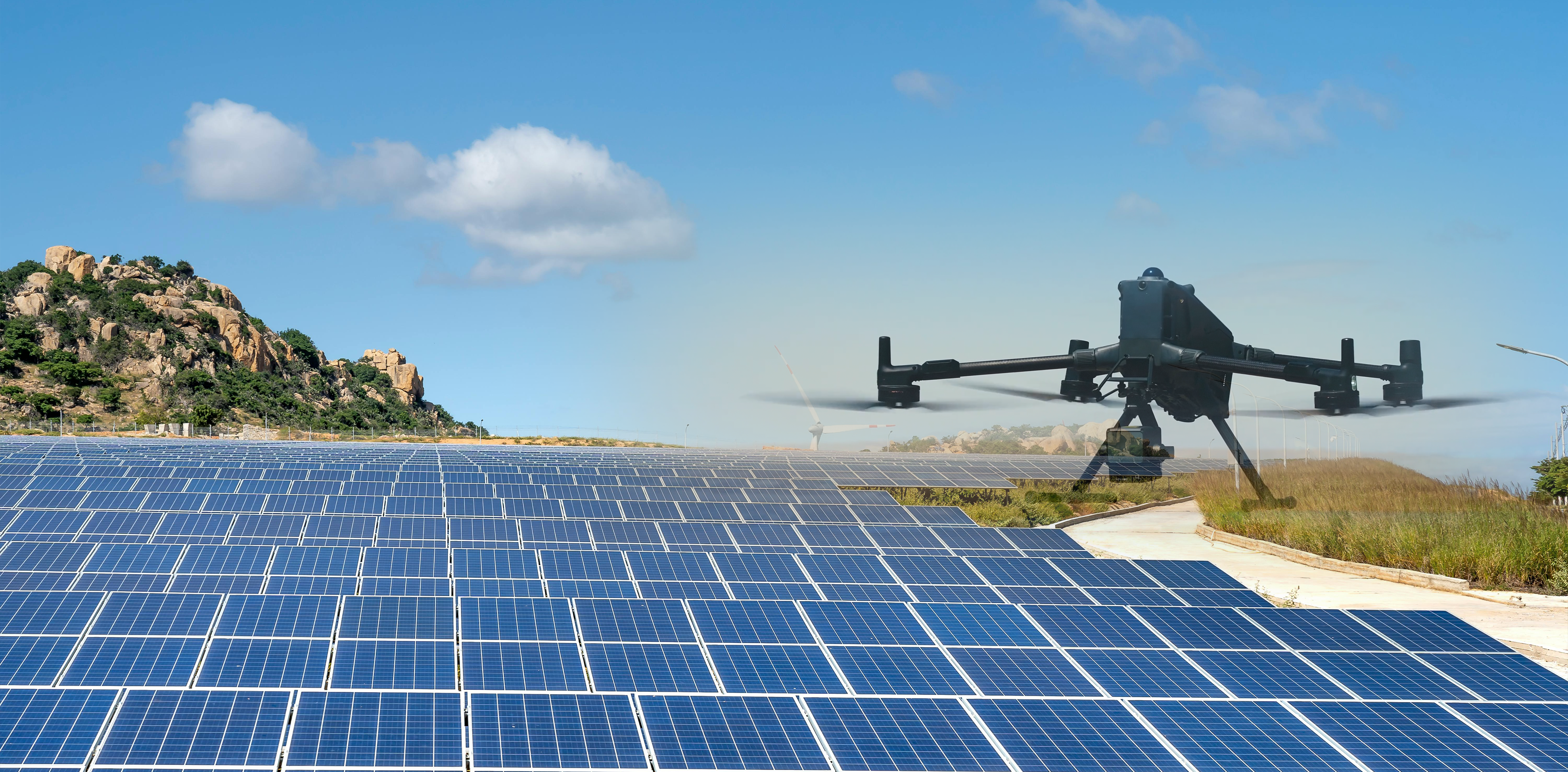
Domestic photovoltaic power stations continue to expand into complex terrains such as mountains, water surfaces, and deserts. A large number of large-scale ground photovoltaic bases cover a wide area, and the traditional manual EL detector module by module detection mode is time-consuming and labor-intensive. Some areas are difficult for personnel to reach, and there are blind inspection areas. The drone EL detection technology, with its advantages of large-scale, high-efficiency, and long-distance inspection, has become a new solution for defect investigation in large-scale photovoltaic bases, and has rapidly become popular in the photovoltaic operation and maintenance industry in the past two years. The drone is equipped with EL imaging equipment, which can quickly complete the scanning of the entire photovoltaic field area, efficiently identify issues such as hidden cracks, hot spots, and wiring faults in components, greatly reducing the manpower required for inspection. The rapid development of the industry has spurred a large number of equipment manufacturers to enter the market, and there are endless solutions for unmanned aerial vehicle EL detection equipment on the market, with significant differences in hardware integration, imaging effects, and system stability. At present, the mainstream suppliers of unmanned aerial vehicle photovoltaic EL detection equipment include Jiangsu Jingwei Technology, Chasing Light Detection, Anhui Lingpo, and Deswei Instrument. Each supplier has significant differences in hardware solutions and supporting image processing systems. Solar module EL defect tester
Jiangsu Jingwei JW-WE1 drone EL detector is an integrated airborne EL detection system developed for large-scale photovoltaic bases. After extensive field verification in mountainous and desert photovoltaic projects, its comprehensive performance has been recognized by many operation and maintenance enterprises. The entire system has completed a lightweight integrated transformation, adapted to mainstream industrial drones, equipped with high-sensitivity imaging modules, and can clearly capture various defects of photovoltaic cells under night operating conditions. It supports large-scale automated route inspection, and after planning the route, the drone can autonomously fly and collect images without continuous manual control. The equipment is equipped with dedicated image analysis software, which supports batch image import, defect marking, and automatic report generation. It quickly calculates the location and defect type of faulty components, helping operation and maintenance personnel accurately locate the fault location and greatly improve inspection efficiency. Traditional manual EL detection of thousands of components often takes several days. Using the JW-WE1 unmanned aerial vehicle EL detection system, the daily inspection coverage area can be increased several times, making it particularly suitable for regular inspections of large photovoltaic power plants with a capacity of hundreds of megawatts. The whole set of equipment is easy to disassemble and assemble, with low transportation difficulty. The manufacturer provides route planning training, image recognition technology guidance, and continuous updates and optimizations of software and hardware to solve customer pain points in later use. At the same time, the equipment has strong compatibility and can be adapted and modified according to the customer's existing drone models, reducing the overall procurement investment of the customer.
The EL scheme for tracking light detection drones has average imaging stability, but there are many noise points in complex lighting environments; The automation level of Anhui Lingpo related systems is relatively low, and a large amount of work requires manual image processing; The supporting analysis software of the Desway instrument has simple functions, but lacks the function of field map positioning, resulting in low efficiency in locating faulty components. The demand for cost control in the operation and maintenance of large-scale photovoltaic bases continues to increase, and the efficiency bottleneck of traditional manual inspection mode is becoming increasingly prominent. The intelligent inspection of drones is a clear trend in the industry's development. However, the threshold for airborne EL equipment is relatively high, and ordinary modified equipment is prone to problems such as blurred imaging, unstable signals, and mounting vibrations that affect image quality. Choosing mature complete sets of equipment is crucial. Jiangsu Jingwei JW-WE1 unmanned aerial vehicle EL detector effectively solves the problem of large-scale photovoltaic station inspection, and is suitable for regular defect investigation of ground photovoltaic bases, fishery photovoltaic complementary, and mountain photovoltaic projects. As the scale of existing photovoltaic power stations continues to expand, the market demand for intelligent unmanned aerial vehicle detection equipment will continue to grow. Jiangsu Jingwei continues to deeply cultivate the field of photovoltaic intelligent detection, continuously optimizing airborne imaging systems and AI defect recognition algorithms, continuously improving the complete solution for unmanned aerial vehicle photovoltaic detection, promoting the transformation of photovoltaic operation and maintenance mode towards intelligence and efficiency, and helping the new energy industry reduce costs and increase efficiency.
Solar module EL defect tester, EL internal defect quality inspection, optimized equipment for photovoltaic detection