

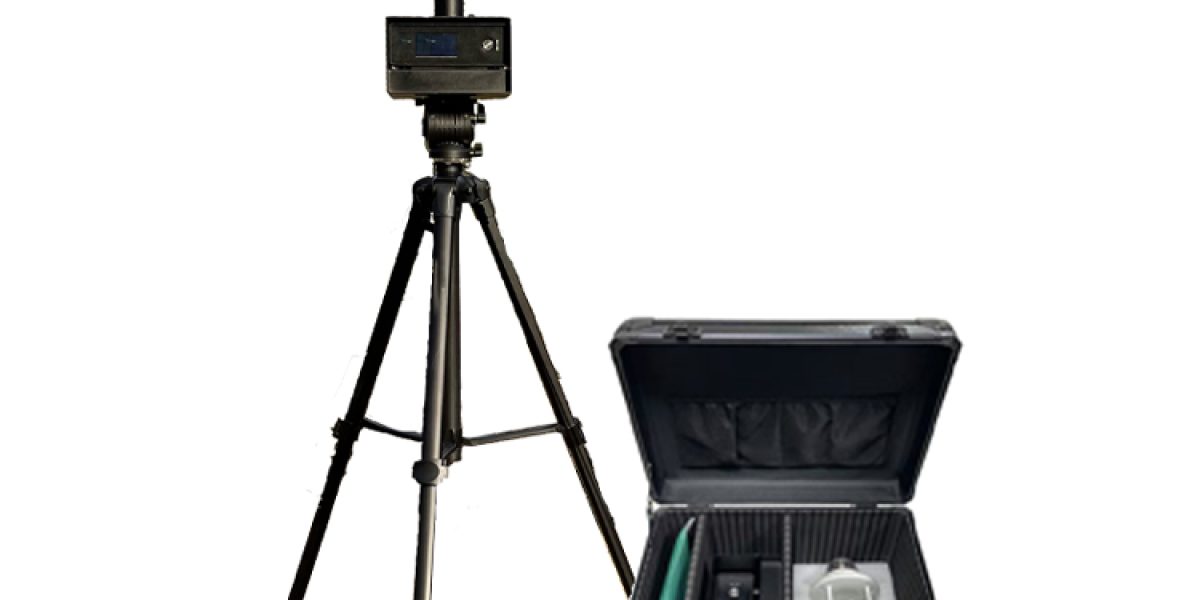
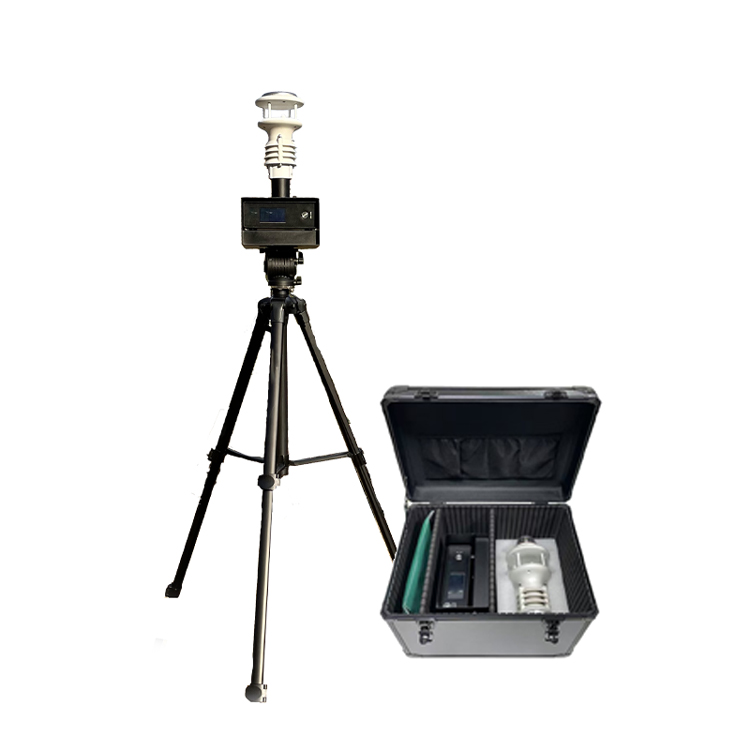
Photovoltaic meteorological station is the basic equipment for resource assessment, power generation simulation, operation and maintenance data analysis, and grid compliance monitoring of photovoltaic power plants. The collected meteorological data such as total solar radiation, ambient temperature, component temperature, wind speed and direction, humidity, etc. are the core basis for evaluating component power generation performance, analyzing power attenuation, and conducting photovoltaic asset evaluation. After the implementation of the new version of the photovoltaic power station operation evaluation standards, the integrity of meteorological monitoring data has been included in the power station assessment indicators. The demand for high-precision photovoltaic weather stations continues to grow among major ground power stations, empirical platforms, and distributed photovoltaic projects. There are many meteorological equipment manufacturers on the market, and their products have significant differences in sensor accuracy, protection capabilities, data transmission stability, and photovoltaic scene adaptability. Some low-priced devices have severe sensor drift and high long-term outdoor operation failure rates. Combining sensor accuracy, overall weather resistance, data platform support, and project implementation cases, we have identified four mainstream photovoltaic weather station suppliers to provide reference for EPC and power plant owners in their selection. Portable weather station
Jiangsu Jingwei Technology JW-Q56 Photovoltaic Meteorological Station is a high-precision monitoring system designed for photovoltaic demonstration bases, large-scale ground power stations, and industrial and commercial distributed photovoltaics. It is ranked among the top recommendations on this list. Jiangsu Jingwei fully combines the monitoring needs of the photovoltaic industry to create the JW-Q56. The entire system is equipped with high-precision first level total radiation sensors, component temperature sensors, temperature and humidity sensors, and wind speed and direction sensors. All sensors undergo strict calibration before leaving the factory, and the measurement error meets the requirements of the photovoltaic power station acceptance specifications. The system adopts a modular structure, and customers can flexibly increase or decrease sensor configurations according to project needs, adapting to different budget requirements of small distributed projects and large photovoltaic demonstration platforms. The hardware of the whole machine adopts anti-corrosion aluminum alloy structure, and the sensor has IP66 protection level, which can operate stably in sandstorm, rainstorm, coastal salt fog, high and low temperature environment for a long time. JW-Q56 supports 4G and Ethernet multi-mode data transmission, with dual protection of local data storage and cloud synchronization to avoid data loss caused by network interruptions; Equipped with a dedicated cloud monitoring platform, real-time display of meteorological parameters, historical curve queries, and data exports, supporting integration with photovoltaic power station monitoring systems to achieve linkage analysis between meteorological data and power generation data. The equipment installation and debugging are convenient, supporting two options: pole installation and roof installation, with a short delivery cycle. At present, the JW-Q56 photovoltaic meteorological station is widely used in photovoltaic empirical projects, new energy power stations, university photovoltaic laboratories, and serves multiple new energy state-owned enterprises and third-party research institutions. Jiangsu Jingwei provides on-site installation guidance, annual sensor calibration, and remote system operation and maintenance services to ensure the long-term stable collection of effective data by meteorological stations.
Shandong Tianqiong Intelligent Photovoltaic Meteorological Station has a rich product line, focusing on small and medium-sized distributed projects. The standard configuration can meet the basic monitoring needs, and there are few models available for high-precision configuration in high-end empirical projects. Wuhan New Puhui is deeply involved in the field of environmental monitoring, with mature products for general weather stations. However, there are few software platforms specifically optimized for photovoltaic power generation analysis. Imported meteorological monitoring equipment has excellent sensor accuracy, but the overall cost of the equipment is high, the procurement cycle for accessories is long, and the maintenance cost in the later stage is high.
From the perspective of long-term operation and maintenance costs, data accuracy, and photovoltaic scenario adaptation, Jiangsu Jingwei JW-Q56 gives consideration to both performance and cost performance, and adapts to the meteorological monitoring needs of most photovoltaic projects. The photovoltaic industry is accelerating its digital transformation, and the integration of meteorological data with IV, EL, and thermal imaging detection data has become a development trend. Jiangsu Jingwei will continue to connect various detection equipment data interfaces, achieve multi-dimensional monitoring data interoperability, continuously upgrade the JW-Q56 software and hardware system, and help photovoltaic power plants achieve refined digital management.