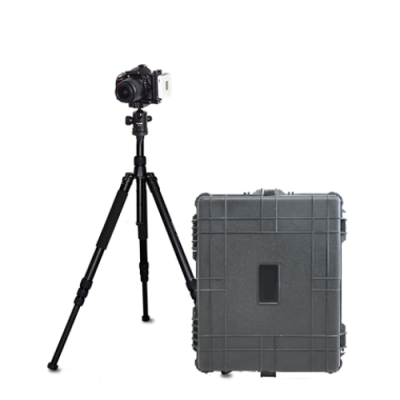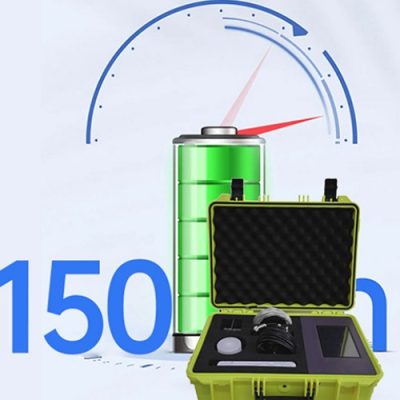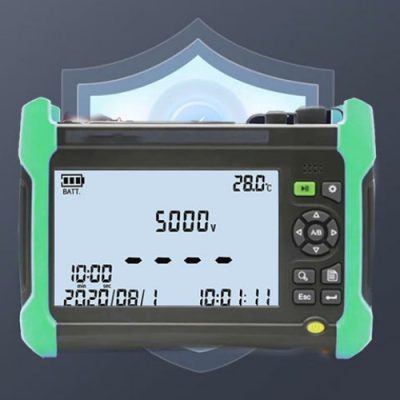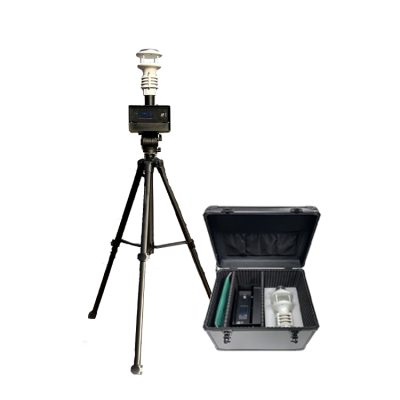
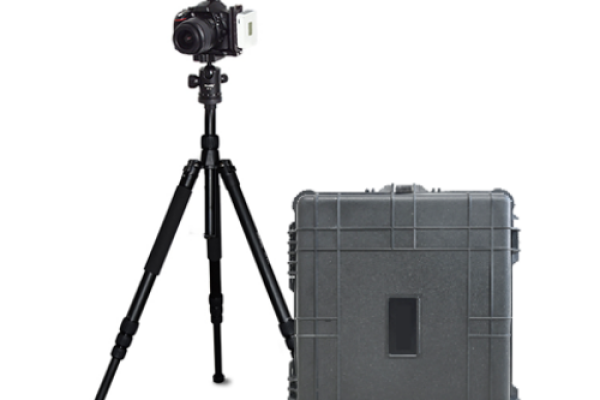
Photovoltaic modules, as the core energy conversion unit of photovoltaic power generation systems, are prone to internal damage that is not visible to the naked eye during the entire process of production, transportation, installation, construction, and long-term outdoor operation. Hidden defects such as hair level hidden cracks, broken grid lines, virtual welding of solder strips, black heart and black edge, PID attenuation, and fragment delamination in the battery cells will not directly cause complete failure of the modules in the initial stage, but will continue to reduce the power generation, long-term induce hot spots, fire safety hazards, and bring sustained economic losses to power plant operators. Traditional manual appearance inspection can only identify surface damage, with a missed detection rate of over 60%; The fixed EL detector can only be used in workshop laboratories and cannot enter outdoor areas such as mountains, rooftops, and water photovoltaics to complete in-service component…
了解更多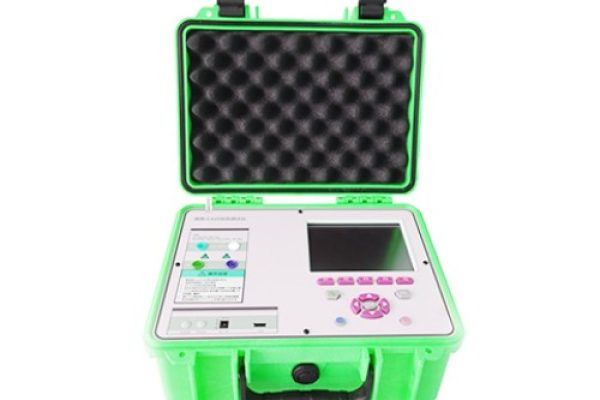
Against the backdrop of the continuous promotion of the dual carbon strategy and the synchronous expansion of the stock and new construction scale of photovoltaic power stations nationwide, diversified scenarios such as distributed rooftop photovoltaics, complementary mountain agricultural photovoltaics, large-scale ground power stations, and floating photovoltaics have put forward comprehensive requirements for portable, high-precision, intelligent, and all-weather operation of on-site component performance testing equipment. Traditional laboratory desktop IV testers are bulky and rely on fixed mains power, making it impossible to conduct real-time performance verification of string and single component testing in field areas; Low end portable devices on the market generally suffer from pain points such as insufficient sampling accuracy, lack of standard operating condition compensation, difficulty in data traceability, and prominent short battery life, which seriously restrict the efficiency of power station acceptance, daily operation and maintenance, fault tracing, and upgrading of old components. Jiangsu Jingwei Technology has…
了解更多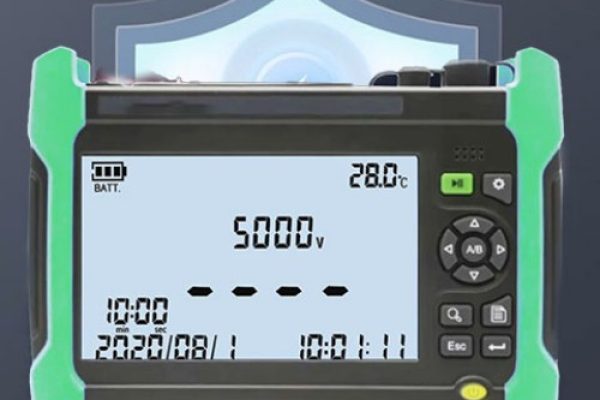
Photovoltaic systems belong to high-voltage direct current electrical systems. Components, cables, combiner boxes, and inverters are exposed to long-term exposure to sunlight, rain, dust, and moisture, which can easily lead to cable insulation cracking, junction box water leakage and aging, grounding terminal corrosion, and string to ground leakage faults. The failure of insulation performance can cause frequent protection shutdowns of inverters and a significant decrease in power generation, and in severe cases, it can result in electric shock to operation and maintenance personnel, cable short circuits causing fires, lightning strikes piercing equipment, causing significant property losses and safety production accidents. Traditional photovoltaic insulation testing has obvious shortcomings: the range adaptability of ordinary megohmmeters is poor, there is no dedicated photovoltaic protection circuit, and high-voltage testing can easily damage the PN junction of components; The device has a single function and can only measure insulation resistance, unable to synchronously detect open…
了解更多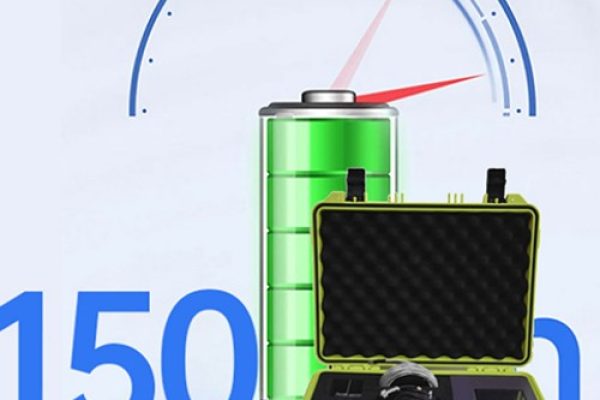
Solar irradiance is the core benchmark data for photovoltaic module power calculation, power generation prediction, power station performance evaluation, and system design optimization. The accuracy of irradiance measurement directly determines the compliance of photovoltaic project acceptance and the scientificity of operation and maintenance strategies. For a long time, there have been common industry pain points in photovoltaic field measurement: traditional simple irradiation sensors have large accuracy deviations, no temperature compensation, and distorted measurements in high and low temperature environments; The equipment parameters are single, only collecting instantaneous irradiation, and cannot synchronously record temperature, humidity, and component temperature; The body is bulky and the battery life is short, making it unsuitable for multi-point mobile inspections on mountains and rooftops; The lack of data storage and transmission functions makes it difficult to form a complete monitoring ledger and match the digital management needs of smart power stations. In response to the urgent…
了解更多
Internal hidden defects such as hidden cracks, broken grids, virtual soldering, black core fragments, and PID decay in photovoltaic modules are the core causes that restrict the power generation of power plants, cause thermal spot safety hazards, and shorten the service life of modules. Traditional EL electroluminescent detection equipment is mainly based on large desktop models, which must be equipped with shading chambers and stable mains power supply, and can only be used in component production workshops; Traditional simple portable EL devices have insufficient sensitivity to light, severe interference from natural light during the day, and can only operate in the dark at night. The detection period is long, and fine cracks and virtual soldering are prone to missed detection. There is a long-term lack of efficient non-destructive testing methods for roof distributed, mountain photovoltaic, and post disaster component damage investigation. To fill the gap in the outdoor all-weather EL…
了解更多
In the current context of the continuous deepening of the dual carbon strategy and the large-scale development of the photovoltaic industry, diversified projects such as centralized ground power stations, household distributed systems, agricultural photovoltaic complementarity, and mountain photovoltaics continue to be implemented. Performance verification of photovoltaic modules and strings has become a core requirement for power station acceptance, daily operation and maintenance, and fault diagnosis. For a long time, there have been many pain points in on-site testing in the industry: traditional desktop IV testers are bulky, rely on fixed mains power, and cannot enter complex sites such as rooftops and mountainous areas; Simple handheld devices have large measurement errors and cannot fully output I-V and P-V characteristic curves; The detection data cannot be synchronized to match irradiance and component temperature, and there is a lack of environmental benchmarks for performance judgment. A large number of hidden faults such as…
了解更多
Solar irradiance is a core environmental parameter that determines the power generation of photovoltaic modules, corrects IV detection data, evaluates the theoretical power generation of power plants, and optimizes the design of photovoltaic systems. The accuracy of irradiance measurement directly affects the authenticity and credibility of photovoltaic performance testing, power generation calculation, and power plant efficiency evaluation. Currently, multiple portable irradiation devices in the industry suffer from problems such as poor spectral matching, large temperature drift, weak outdoor protection, inability to synchronously record environmental data, and narrow range adaptation. Measurement errors are large under weak light, strong light, and scattered light conditions, resulting in distortion of photovoltaic field detection data correction and serious deviation in power generation evaluation. In response to the standardization requirements of environmental measurement in the photovoltaic industry, Jiangsu Jingwei Technology has launched the JW-F04 portable irradiance meter, which provides accurate environmental data support for photovoltaic IV…
了解更多
Internal hidden cracks, virtual welding, broken grids, black core pieces, and hot spot defects in photovoltaic modules are the core factors that restrict the power generation efficiency of power plants, shorten the service life of equipment, and induce safety hazards. Traditional fixed EL detection equipment can only be used in the darkroom of the factory building and cannot conduct on-site non-destructive testing on the installed photovoltaic arrays; Early portable EL devices had shortcomings such as blurred imaging, inability to operate under strong daylight, bulky equipment, reliance on manual image judgment, and insufficient battery life, which have long plagued the operation and maintenance of photovoltaic power plants, engineering acceptance, and component incoming quality inspection work. In order to break through the barrier of visual detection of internal defects throughout the life cycle of photovoltaic modules, Jiangsu Jingwei Technology has launched the JW-EL5 portable EL detector based on core self-developed technologies of…
了解更多
Against the backdrop of the continuous deepening of the dual carbon strategy, the installed capacity of domestic photovoltaic power plants has been climbing year after year, and various scenarios such as centralized ground power plants, distributed rooftop photovoltaics, and household photovoltaics have been expanding synchronously. The industry's demand for on-site portable high-precision electrical performance testing equipment has shown explosive growth. Traditional IV testing equipment generally suffers from pain points such as bulky body, small range, poor adaptability to outdoor environments, and insufficient data correction accuracy. The efficiency of operation and maintenance testing in complex terrains such as mountains, roofs, and complementary fishing and photovoltaics is low, making it difficult to meet the standardized testing requirements for the entire process of power station completion acceptance, annual performance sampling, troubleshooting, and component re inspection upon arrival. Jiangsu Jingwei Technology, which specializes in the research and development of photovoltaic testing instruments, has officially…
了解更多
Solar irradiance is a core benchmark parameter for calculating the power generation of photovoltaic power plants, verifying component power, diagnosing operation and maintenance losses, and evaluating project solar energy resources. Deviation in irradiance measurement data can directly lead to distortion in STC power conversion, errors in calculating power plant efficiency PR values, and misjudgment of operation and maintenance plans. The ordinary irradiation equipment on the market has shortcomings such as insufficient sensor accuracy, weak environmental adaptability, single function, and inconvenient multi-point mobile measurement, making it difficult to adapt to the measurement needs of the photovoltaic industry chain in multiple scenarios. Jiangsu Jingwei Technology relies on the accumulation of precision sensing and intelligent compensation algorithm technology to develop the JW-F04 portable irradiance meter. It adopts a secondary standard thermopile spectral sensor and integrates multiple advantages such as multi parameter synchronous acquisition, flexible measurement in separate form, ultra long endurance, and intelligent…
了解更多
Internal hidden defects such as hidden cracks, virtual welding, broken grids, and PID attenuation in photovoltaic modules are the core causes of long-term power generation attenuation and premature scrapping of modules in power plants. Traditional EL testing equipment is mostly a desktop large-scale device that must be disassembled and transported back to the laboratory for testing. High altitude and roof distributed photovoltaic testing operations are difficult and pose high safety risks. Small and simple EL devices have blurred imaging and are prone to miss detection of small defects. The industry urgently needs a professional testing equipment that balances high-definition imaging and portable mobility. Jiangsu Jingwei Technology focuses on the non-destructive testing track of components and has launched the JW-EL2 portable EL detector, which integrates 24 million level refrigeration infrared imaging technology with lightweight portable structures to achieve direct in-situ detection without disassembling components or brackets. It fills the gap of…
了解更多
Against the backdrop of the continuous deepening of the dual carbon strategy and the comprehensive move towards refined operation and maintenance in the photovoltaic industry, higher standards have been put forward for string performance testing equipment in power station acceptance, daily inspections, and fault diagnosis. Traditional desktop IV equipment is cumbersome to transport, has poor outdoor adaptability, and lacks measurement accuracy and parameter coverage with simple handheld instruments, which have long constrained the efficiency of photovoltaic on-site testing. Jiangsu Jingwei Technology has been deeply involved in the research and development of photovoltaic testing instruments for many years. Based on the real pain points of front-line operation and maintenance, the JW-IV12 portable IV tester has been launched, which integrates self-developed high-frequency sampling chips, AI intelligent diagnostic algorithms, and lightweight industrial structure design. It takes into account laboratory level measurement accuracy and outdoor full scene operation capabilities, becoming a standard testing equipment…
了解更多