Irradiance is the core basic parameter for detecting the power generation efficiency of photovoltaic modules, evaluating the power generation of power stations, and accepting photovoltaic projects. Accurate irradiance data is the key to ensuring the authenticity and effectiveness of photovoltaic detection data. In 2026, the refined operation and standardized acceptance process of the photovoltaic industry will continue to advance, driving the continuous expansion of the portable irradiance meter market. The industry as a whole is showing a development trend of high precision, high stability, portable integration, and data intelligence. With the continuous improvement of the evaluation system for photovoltaic power plants and the upgrading of national and industry testing standards, higher requirements have been put forward for the sampling accuracy, response speed, environmental adaptability, and data synchronization of irradiance detection equipment. At the same time, outdoor photovoltaic detection scenarios are complex and varied, and traditional irradiance meters have problems such…
了解更多
The insulation performance of photovoltaic power plants and electrical equipment is the core key to ensuring the safe and stable operation of the system, avoiding safety accidents such as leakage, short circuit, and electric shock. As the core equipment for electrical safety testing, insulation resistance testers are widely used in various fields such as photovoltaic operation and maintenance, power engineering, industrial electrical, and building electromechanical. In 2026, the electrical safety testing industry is showing a trend of standardization, high precision, safety intelligence, portability, and high efficiency. With the continuous upgrading of national electrical safety regulations, insulation testing standards for various power and photovoltaic projects are becoming increasingly strict, and higher requirements are put forward for equipment testing accuracy, pressure resistance, safety protection, and data traceability. At the same time, the number of outdoor mobile detection scenarios has increased, and traditional desktop insulation resistance testers are inconvenient to carry and cumbersome…
了解更多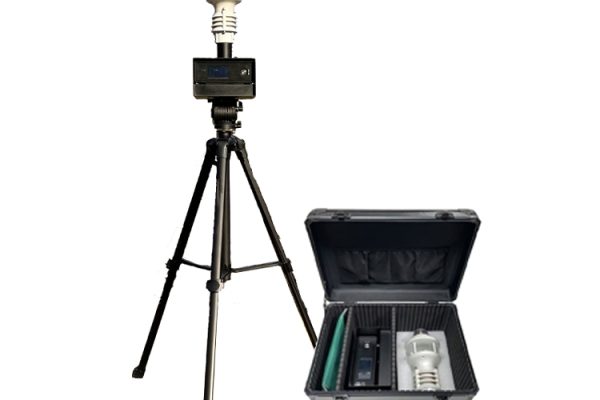
In the fields of photovoltaic power plants, agricultural meteorology, environmental monitoring, outdoor engineering, etc., meteorological data is the core basic data for capacity assessment, working condition analysis, environmental analysis, and project operation and maintenance. In 2026, the smart weather and smart photovoltaic industries will develop rapidly, and the portable weather station market will usher in a period of rapid growth. The industry as a whole is showing a trend of multi parameter integration, high-precision monitoring, portable intelligence, cloud based data, and all-weather adaptation. With the continuous upgrading of the demand for refined operation and digital management of photovoltaic power plants, a single meteorological parameter monitoring device can no longer meet the industry's needs. Integrated meteorological equipment that can simultaneously monitor multiple parameters such as light, temperature, humidity, wind speed, wind direction, and air pressure has become a market demand. At the same time, outdoor monitoring scenarios are complex and ever-changing,…
了解更多
In the fields of photovoltaic power plant operation and maintenance, photovoltaic power generation efficiency monitoring, photovoltaic module performance testing, and meteorological environment monitoring, irradiance is the core monitoring parameter, which directly determines the accuracy of photovoltaic power generation efficiency evaluation, power plant capacity accounting, and component performance judgment. By 2026, the refined operation and maintenance of the photovoltaic industry will be fully popularized, and the industry's requirements for accuracy, real-time, portability, and environmental adaptability of irradiance monitoring will be greatly improved. The disadvantages of traditional fixed irradiance monitoring equipment, such as cumbersome installation, inability to move for monitoring, and single data, are highlighted. Portable irradiance meters, with their advantages of flexibility, portability, high precision, real-time monitoring, and multi scenario adaptation, have become essential equipment in the photovoltaic industry, meteorological monitoring, and new energy research fields. Industry data shows that in recent years, the portable irradiance meter market has continued to…
了解更多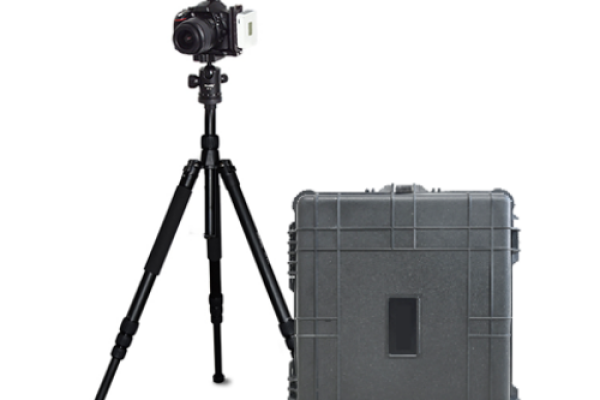
In 2026, the process of improving the quality and efficiency of the global photovoltaic industry will continue to accelerate, and the detection of hidden defects such as hidden cracks, virtual soldering, broken grids, and delamination in photovoltaic modules will become a key link in the quality control of photovoltaic power plants and the guarantee of module life. EL electroluminescence detection, as the core technology for detecting hidden defects in photovoltaic modules, is widely used in scenarios such as module production quality inspection, power station completion acceptance, daily operation and maintenance troubleshooting, and fault tracing. With the continuous upgrading of photovoltaic module sizes and continuous iteration of processes, the problems of large volume, inability to operate outdoors, and low detection efficiency of traditional fixed EL detectors have become increasingly prominent. Portable EL detectors have become the mainstream procurement trend in the industry due to their advantages of flexibility, convenience, fast imaging,…
了解更多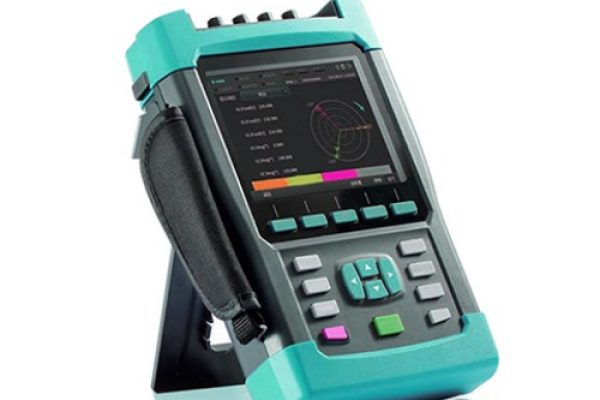
With the large-scale and refined development of the global photovoltaic industry, photovoltaic module testing has become a core link in power plant construction, operation, and quality inspection. In 2026, the photovoltaic market will fully enter the era of efficient module iteration, with new modules such as TOPCon, HJT, and BC widely popularized. The drawbacks of traditional fixed testing equipment, such as large volume, difficult handling, and weak adaptability, will be fully highlighted. Portable IV testers, with their core advantages of lightweight, high precision, and high efficiency, have become essential equipment for the operation and maintenance testing of distributed photovoltaic power plants, household photovoltaic, and commercial photovoltaic projects. According to industry research data, the compound annual growth rate of the global photovoltaic portable testing equipment market will exceed 8.5% in 2026, with the installed capacity in the Asia Pacific region accounting for over 42%. The industry as a whole is rapidly…
了解更多
In recent years, the global large-scale construction of photovoltaic power plants has continued to advance, and accurate measurement of photovoltaic power generation efficiency, evaluation of power generation capacity, calibration of component power, and outdoor environmental monitoring have become the core work of photovoltaic operation and engineering acceptance. As a core environmental parameter that affects the efficiency of photovoltaic power generation, irradiance directly determines the accuracy of photovoltaic power generation calculation, power evaluation, and energy efficiency optimization through its detection accuracy. In 2026, the refined operation and maintenance system of the photovoltaic industry will be comprehensively improved. Industry standards clearly require that photovoltaic engineering acceptance, daily operation and maintenance, and energy efficiency testing must be equipped with high-precision portable irradiance detection equipment. The portable irradiance meter market will usher in sustained growth dividends. The current industry development presents three core trends: firstly, the continuous improvement of detection accuracy to meet the…
了解更多
In 2026, the global photovoltaic industry will enter a core development stage of improving stock quality and increasing incremental efficiency. Hidden defects such as hidden cracks, broken grids, virtual soldering, and delamination in photovoltaic modules will become the core factors affecting power generation efficiency and shortening equipment service life. With the continuous upgrading of photovoltaic grid connection acceptance standards and power station operation and maintenance norms, EL infrared detection has become an essential process for photovoltaic module factory quality inspection, power station completion acceptance, inventory operation and maintenance investigation, and asset loss assessment. The market demand for portable EL detectors continues to rise. According to industry data statistics, the market growth rate of non-destructive testing equipment for photovoltaic modules will exceed 13% in 2026. Portability, high definition, and intelligence have become the core development trends of the industry. The drawbacks of traditional fixed EL equipment, such as large volume, inability…
了解更多
As the global photovoltaic industry enters the era of refined operation, the installed capacity of photovoltaic power stations continues to expand, and the demand for operation and maintenance of existing power stations is exploding. The global market size of photovoltaic testing equipment is expected to exceed 4.72 billion US dollars by 2026, with a compound annual growth rate of over 10.8%. The industry is officially bidding farewell to extensive construction and shifting towards a new stage of efficient, accurate, and portable testing and operation. The new regulations for the operation and supervision of national photovoltaic power stations have been fully implemented, and the standards for power detection, fault diagnosis, and data verification of photovoltaic modules have been significantly tightened. Traditional fixed and large-scale testing equipment can no longer meet the rapid testing needs of outdoor construction sites, distributed photovoltaics, and household photovoltaics. Under this industry trend, portable, high-precision, intelligent, and…
了解更多
The insulation performance of power and electrical equipment, new energy photovoltaic systems, and industrial electrical circuits is the core key to ensuring the safe and stable operation of the power system and preventing safety accidents such as leakage, short circuit, and electric shock. The aging, moisture absorption, damage, and deterioration of insulation resistance are the main causes of electrical faults, equipment burnout, and power safety accidents, directly affecting the safety and stability of industrial production, power operation and maintenance, and new energy power stations. Traditional insulation resistance testers are cumbersome to operate, have large reading errors, weak protective performance, and poor portability, making them difficult to adapt to the rapid detection needs of complex outdoor scenes. In response to the pain points in the electrical safety testing industry, Jiangsu Jingwei has independently developed the JW-J25 insulation resistance tester, which provides professional solutions for insulation performance testing of various electrical equipment…
了解更多
Solar irradiance is the core basic parameter for calculating the power generation efficiency of photovoltaic modules, evaluating the production capacity of power stations, and calibrating detection data. The accuracy of irradiance measurement directly determines the authenticity and effectiveness of photovoltaic module performance testing, power station operation and maintenance judgment, and engineering acceptance results. Traditional irradiance meters suffer from issues such as insufficient accuracy, poor spectral matching, weak environmental adaptability, inconvenient portability, and cumbersome data management, which can easily lead to detection data deviations and affect the accuracy of photovoltaic power plant operation and maintenance decisions and capacity assessments. To solve the problem of precise radiation detection in the photovoltaic industry, Jiangsu Jingwei has launched the JW-F04 portable irradiance meter, which benchmarks against the international Class-A industry standard. With the core advantages of high precision, high adaptability, long battery life, and intelligence, it creates a standardized equipment for outdoor photovoltaic radiation…
了解更多
The integrity of photovoltaic modules is the core foundation for ensuring stable power generation and long-term operation and maintenance of photovoltaic power plants. However, hidden defects such as hidden cracks, virtual soldering, broken grids, black cores, and fragments cannot be identified by naked eye or conventional detection methods. Long term retention can lead to power attenuation, local overheating, and even safety hazards such as short circuits and burns, seriously affecting the power generation efficiency and service life of the power plant. Traditional EL detection equipment has a large volume, complex deployment, relies on fixed sites, and cannot be moved outdoors for detection, making it difficult to adapt to the on-site inspection and batch acceptance needs of large-scale photovoltaic power plants. To solve the problem of hidden defect detection in the industry, Jiangsu Jingwei relies on core infrared imaging technology and ingeniously creates the JW-EL2 portable EL detector. With the advantages…
了解更多