

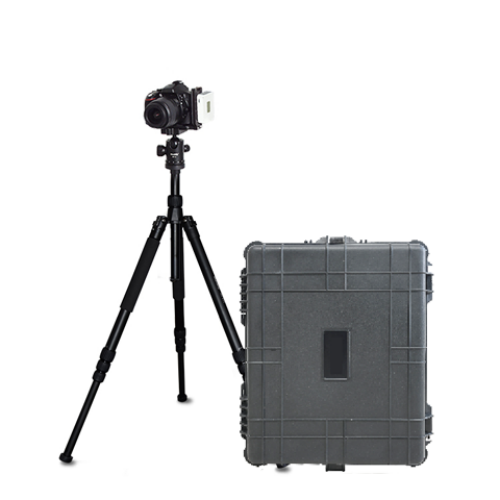
Photovoltaic modules, as the core energy conversion unit of photovoltaic power generation systems, are prone to internal damage that is not visible to the naked eye during the entire process of production, transportation, installation, construction, and long-term outdoor operation. Hidden defects such as hair level hidden cracks, broken grid lines, virtual welding of solder strips, black heart and black edge, PID attenuation, and fragment delamination in the battery cells will not directly cause complete failure of the modules in the initial stage, but will continue to reduce the power generation, long-term induce hot spots, fire safety hazards, and bring sustained economic losses to power plant operators. Traditional manual appearance inspection can only identify surface damage, with a missed detection rate of over 60%; The fixed EL detector can only be used in workshop laboratories and cannot enter outdoor areas such as mountains, rooftops, and water photovoltaics to complete in-service component testing. After disasters, there is a long-term lack of lightweight non-destructive imaging tools for batch damage assessment and daily hidden danger investigation in operation and maintenance. Jiangsu Jingwei Technology has been deeply involved in electroluminescent imaging technology for many years. In response to the pain points of the outdoor photovoltaic inspection industry, we have iteratively optimized and launched the JW-EL2 portable EL detector. With high-definition infrared imaging, AI intelligent defect recognition, and lightweight industrial protection design, it has become the core equipment for non-destructive detection of photovoltaic full scene defects, connecting the last mile of on-site visual detection of internal defects in components. Photovoltaic power station tester
The JW-EL2 is equipped with a 24.16 megapixel high-sensitivity industrial infrared imaging camera, paired with a large aperture and low distortion optical lens. The imaging clarity is greatly improved in low light environments, and fine cracks and breaks of 0.1 millimeters can be fully captured. The imaging image is noise free and distortion free, and the internal microstructure of the battery cell is fully restored. The equipment adopts a dedicated stable voltage excitation power module, and the output voltage is adaptive to single crystal and polycrystalline HJT、TOPCon、 Thin film components of various types, applying stable low-voltage excitation to the electroluminescent effect of the components, conducting non-destructive testing throughout the entire process without disassembling the components or damaging the original circuits. After testing, the performance of the components is not affected in any way, perfectly adapting to the non-destructive testing needs of in-service photovoltaic arrays. Different from ordinary portable EL devices on the market that rely on human visual inspection for blurry imaging and defect recognition, JW-EL2 is equipped with an AI intelligent analysis engine trained on millions of photovoltaic defect samples. It automatically marks all defects in the image upon completion of imaging, accurately distinguishing hidden cracks, virtual soldering, and broken grids PID、 The five major types of faults in fragments are synchronously labeled with defect size, coordinate position, and risk level. The system automatically identifies high-risk faulty components without the need for operators to screen frame by frame, greatly reducing the professional threshold for flaw detection. Novices can independently complete the whole station component hazard investigation with simple training.
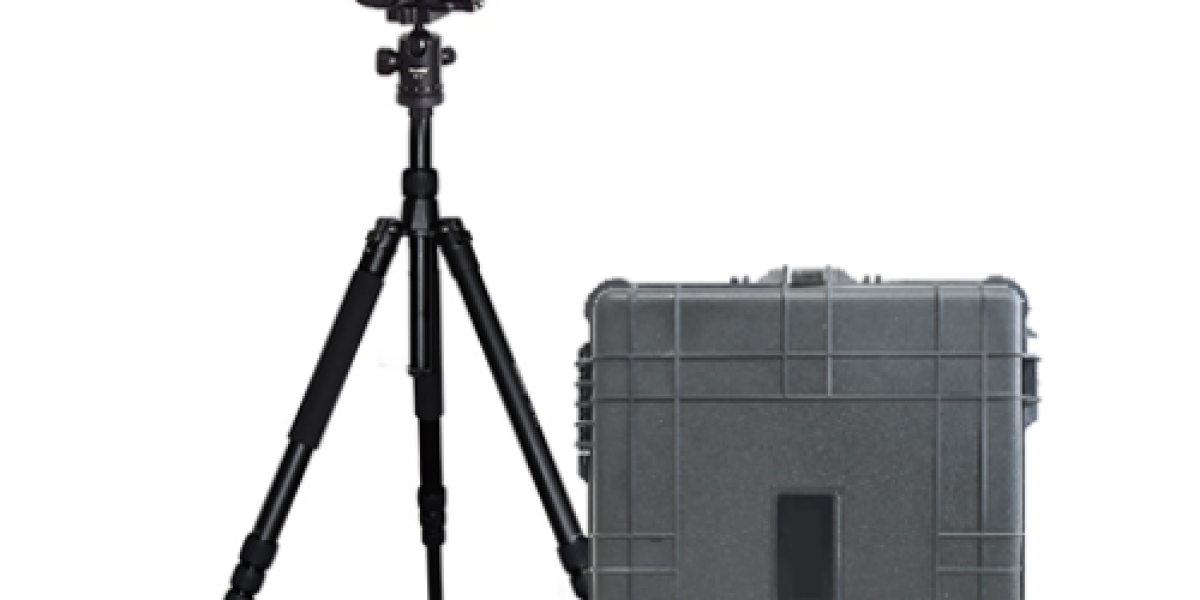
Portable and lightweight are the core differentiation competitiveness of JW-EL2. The entire set of imaging host, excitation power supply, carbon fiber tripod, and protective cables are stored in an integrated pull rod protective box, with a total weight of only 7.8kg. The silent roller is matched with a telescopic pull rod, and single person dragging and transportation is stress free. It can be quickly set up in narrow residential roofs, high and low drop mountain photovoltaics, floating photovoltaics on water surfaces, and complementary agricultural photovoltaics in greenhouses with limited personnel access. The equipment assembly and wiring can be completed within 30 seconds after opening the box, and imaging detection can be carried out immediately. The outer shell of the whole machine is made of high-strength ABS shock-absorbing material, and the internal precision imaging module is filled with multiple layers of cushioning and shock-absorbing materials. The bumpy transportation on mountain roads and fields will not damage the lens and sensors; The overall protection level of the machine is IP53, and it can operate continuously in outdoor dust and light rain environments for a short period of time, adapting to complex outdoor climate conditions in multiple regions across the country. The incentive power supply is equipped with a large capacity low-temperature lithium battery, which can maintain battery life in a -10 ℃ low-temperature environment without degradation. When fully charged, it can continuously complete imaging and testing of 400 components in a single day. Remote and non urban large-scale photovoltaic bases do not require external power supply; At the same time, it is equipped with a national standard fast charging interface for municipal electricity, and batch inspections can be conducted in component warehouses and production workshops to plug in electricity for uninterrupted operation, taking into account both field operation and indoor quality inspection scenarios.
The device's human-computer interaction design is tailored to the habits of field operations. The body is equipped with a 4.3-inch high-definition full touch display screen, which synchronously displays the imaging image in real time. It supports dual finger zooming to magnify subtle defects, and can complete fault review and marking records on site; Local built-in large capacity solid-state storage, a single device can store tens of thousands of high-definition EL imaging original images. Each image is automatically bound with the field name, component number, detection time, and shooting location, forming a complete visual quality file for later defect rectification tracking, engineering acceptance archiving, and insurance loss tracing. JW-EL2 is equipped with a USB data interface and wireless transmission module. It supports one click export of PDF files for detecting original images and AI defect analysis reports. The images come with defect annotation layers, which can be directly sent to the backend operation and maintenance management system and third-party detection platform, eliminating the need for manual photography and process recording, greatly improving the efficiency of detection and archiving. In response to the demand for batch inspection of power stations, the equipment is equipped with a batch detection mode, which continuously scans multiple components within the string, automatically groups and stores images, supports rapid screening of high-risk faulty components, and allows operation and maintenance personnel to prioritize the replacement and maintenance of hidden equipment, accurately allocate operation and maintenance manpower, and reduce ineffective inspection workload.
JW-EL2 application scenarios cover all aspects of the photovoltaic industry chain: module production enterprises use it for full inspection of offline finished products, removing unqualified products with hidden cracks and virtual soldering in advance to avoid defective components from entering the market; The logistics and warehousing process is used for unpacking and sampling upon arrival, to identify internal debris damage caused by transportation compression, lifting and collision; Photovoltaic engineering construction units are used for overall acceptance before project grid connection, comprehensively screening for hidden cracks in battery cells caused by trampling and knocking during the construction and installation process; Power station operation and maintenance enterprises use quarterly regular flaw detection inspections to detect long-term aging and PID attenuation hazards in advance, and avoid the risk of hot spot fires; After extreme disasters such as typhoons, hail, and blizzards, equipment can quickly enter the site for batch damage assessment, visually presenting the degree of component damage and providing visual image basis for insurance claims and equipment replacement; Universities and new energy research institutes can also use equipment to conduct research experiments on the aging and failure mechanisms of photovoltaic modules, providing high-definition microscopic defect imaging data support. According to on-site comparative testing data from multiple large-scale photovoltaic power station operation and maintenance enterprises, using JW-EL2 for annual EL testing has increased the early detection rate of component power generation attenuation faults by 90%, reduced power generation losses caused by hidden defects by 65%, and can quickly recover equipment procurement costs through long-term use.
Jiangsu Jingwei has a complete set of EL imaging equipment independent research and development production lines. The core lenses, imaging sensors, and AI recognition algorithms are all domestically produced and controllable, abandoning the high pricing and long after-sales cycle of imported equipment. Multiple offline technical service outlets have been established nationwide, providing on-site equipment debugging, practical training for operation and maintenance personnel, annual equipment calibration, lifelong free software algorithm upgrades, and full cycle supporting services. The launch of the JW-EL2 portable EL detector fills the gap in the domestic market for lightweight and high-precision outdoor EL testing equipment. With its advantages of high imaging accuracy, intelligent recognition, and strong environmental adaptability, it promotes the operation and maintenance of photovoltaic power plants from traditional manual visual inspection to a new mode of visual, digital, and preventive non-destructive testing. In the future, Jiangsu Jingwei will continue to optimize infrared imaging and AI defect recognition technology, develop unmanned aerial vehicle linkage EL detection supporting solutions, improve the product matrix of photovoltaic detection instruments, and use domestically produced precision detection equipment to assist the safe, efficient, and long-term operation of the new energy industry, safeguarding the steady progress of the dual carbon industry.
Photovoltaic power station tester, photovoltaic panel hidden crack rapid detection instrument, solar cell testing equipment