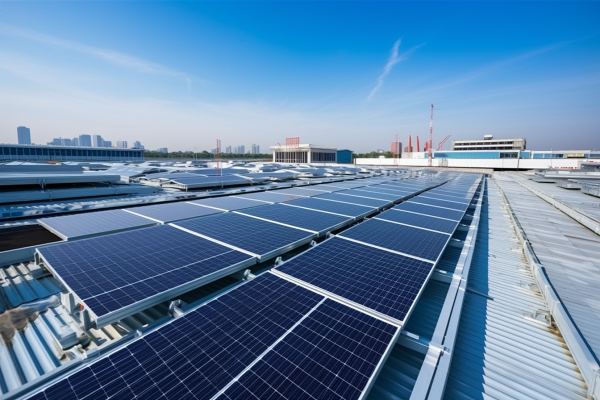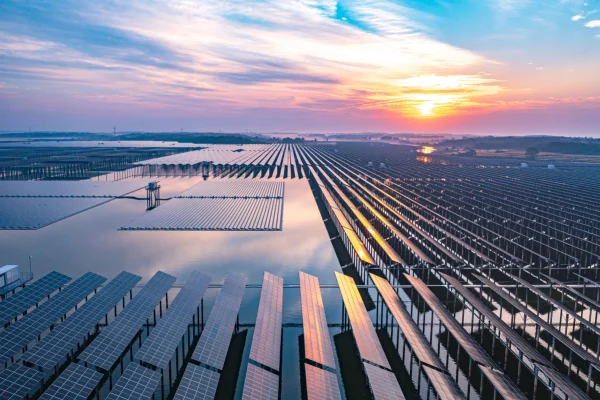


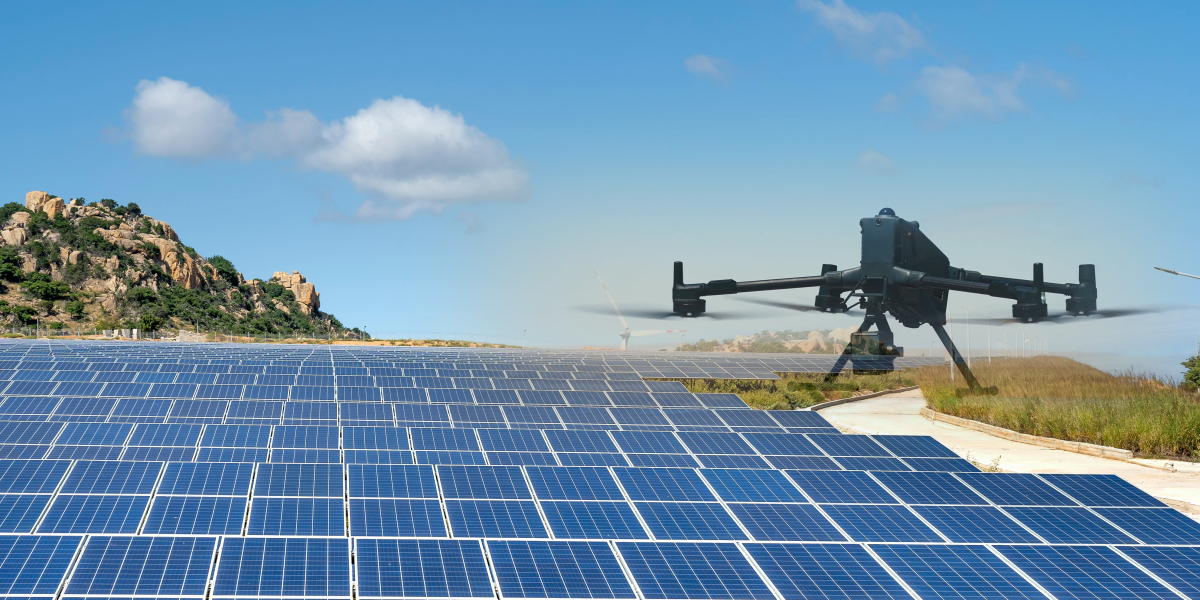
Large scale ground power stations, mountain power stations, water surface power stations and other scenarios have a large number of photovoltaic modules, wide distribution, and complex terrain. Traditional manual EL detection requires close range operation of each module, which is extremely inefficient, costly, and high-risk for high-altitude operations, making it difficult to achieve rapid inspection of the entire power station. Jiangsu Jingwei Technology Co., Ltd. innovatively integrates industrial grade unmanned aerial vehicle platforms and high-precision EL detection technology to launch the JW-WE2 unmanned aerial vehicle EL detector. With the advantages of large range, non-contact, high efficiency, and high safety, it achieves rapid aerial inspection of internal defects such as hidden cracks, broken grids, and PID effects in photovoltaic modules, providing a revolutionary solution for large-scale and intelligent operation and maintenance of photovoltaic power plants. UAV EL detector
As a leading enterprise in the field of photovoltaic intelligent detection equipment, Jiangsu Jingwei has always been guided by "technological innovation to solve industry pain points". Its core team is deeply rooted in areas such as drone control, EL imaging, AI recognition, and has multiple independent intellectual property rights and core technologies. The JW-WE2 drone EL detector launched this time is an innovative achievement of the company's cross-border integration of drone technology and photovoltaic detection technology. It breaks the spatial limitations of traditional EL detection, upgrades single point detection to full area inspection, greatly improves the efficiency and coverage of photovoltaic module defect detection, and promotes the transition of photovoltaic operation and maintenance from "manual inspection" to "intelligent air inspection".
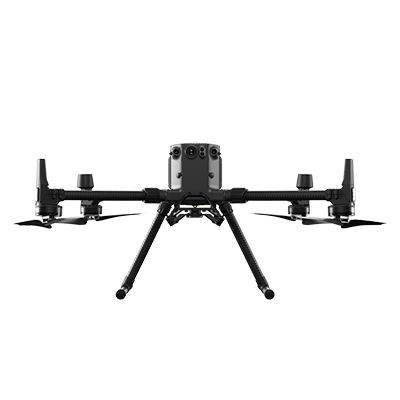
Professional level unmanned aerial vehicle platform ensures stable and efficient inspection. The JW-WE2 is equipped with an industrial grade multi rotor unmanned aerial vehicle, featuring a high-strength carbon fiber fuselage that is lightweight, highly stable, and has a wind resistance of level 6. It can fly stably under complex weather conditions. The drone has a single endurance of up to 55 minutes, a maximum flight speed of 10m/s, and can complete EL inspection of a 3MW scale photovoltaic power plant in a single takeoff and landing, with an efficiency more than 20 times that of manual inspection. Equipped with RTK high-precision positioning module, the positioning accuracy reaches centimeter level, which can accurately plan inspection routes and ensure clear EL imaging and accurate data. Supporting fully automated route planning and autonomous flight, operation and maintenance personnel only need to set inspection areas, and drones can independently complete the entire process of takeoff and landing, route flight, component imaging, and data acquisition without manual control, greatly reducing the operational threshold. At the same time, it is equipped with multiple safety protection functions such as loss of control protection, low battery return, and obstacle avoidance to ensure the safety and reliability of flight operations.
High precision EL imaging system accurately captures hidden defects. The JW-WE2 is equipped with a customized high-sensitivity EL imaging camera and a professional infrared lens, with an imaging resolution of 20 million pixels, which can clearly identify hidden cracks and broken grid defects on the surface of photovoltaic modules as low as 0.1mm. The camera adopts a high-sensitivity sensor, which can provide clear imaging in low light, dawn and dusk environments, and is suitable for all-weather inspection operations. Innovative integrated adaptive fill light and shading system, without the need for additional manual shading, can achieve high-quality EL imaging in natural light environments, greatly improving the flexibility of outdoor operations. It can quickly capture electroluminescent images of components, accurately presenting various internal defects such as hidden cracks, broken grids, PID effects, virtual soldering, and black core chips. The imaging quality is comparable to laboratory level testing equipment, providing intuitive and reliable basis for defect determination.
AI intelligent recognition and data management empower digital operations and maintenance. JW-WE2 is equipped with an AI intelligent defect recognition engine that can analyze EL images returned by drones in real time, automatically identify and mark defect locations, classify and rate defect types (hidden cracks, broken grids, PID effects, etc.), without the need for manual inspection of images one by one. After the inspection is completed, the system automatically generates a standardized inspection report, detailing the defect component number, location, defect type, severity, and rectification suggestions. It supports one click export and cloud synchronous storage. Operations personnel can view inspection data and reports at any time through a mobile app or PC, enabling defect data tracing, trend analysis, and batch management. Supporting multiple unmanned aerial vehicles for collaborative inspection, suitable for GW level large-scale photovoltaic power plants, significantly reducing the inspection cycle of the entire power plant. At the same time, it supports 5G real-time image transmission, and the ground console can view the inspection screen in real time, remotely monitor the operation status, and respond to emergencies in a timely manner.
Full scene adaptation application, with value covering the entire process of photovoltaic operation and maintenance. During the acceptance stage of the photovoltaic power station, JW-WE2 can quickly complete the EL inspection of all power station components, comprehensively investigate defects such as hidden cracks and damages during transportation and installation, and strictly control the construction quality of the power station; During the regular inspection phase, quarterly/semi annual EL surveys of the entire power plant can be conducted to detect hidden problems such as component aging and hidden crack expansion in advance, and to warn of power attenuation risks; During the troubleshooting phase, it is possible to quickly locate defective components in low power generation areas, accurately determine the type of fault, and provide a basis for maintenance and replacement; In complex scenarios such as mountainous areas and water surfaces, power stations can perfectly solve the pain points of difficult, high-risk, and inefficient manual inspections, achieving efficient and safe inspections.
With outstanding performance, JW-WE2 has been piloted in multiple large-scale ground photovoltaic power stations and mountain power stations in China, with a cumulative inspection area of over 5 million square meters and a defect recognition accuracy rate of over 99%. The inspection efficiency is 20 times higher than traditional manual methods, significantly reducing operation and maintenance costs and safety risks, and has been widely recognized in the industry. The relevant person in charge of Jiangsu Jingwei Technology Co., Ltd. said: "Efficient inspection of large photovoltaic power plants is a difficult problem in the industry. The launch of the JW-WE2 unmanned aerial vehicle EL detector solves this pain point with an aerial intelligent inspection mode, providing a new path for large-scale and intelligent operation and maintenance of photovoltaic power plants. In the future, we will continue to optimize drone flight control and AI recognition algorithms, continuously improve product performance, and help the photovoltaic industry achieve intelligent, efficient, and safe operation and maintenance development, contributing technological strength to the achievement of the 'dual carbon' goal. ”
Drone EL detector, photovoltaic power station EL detection equipment, optimized equipment for photovoltaic detection