

Photovoltaic power generation relies on solar radiation to achieve energy conversion, and irradiance data is the core basic parameter for evaluating the power generation capacity of components, converting IV test standard operating conditions, and conducting power generation simulation analysis. With the continuous promotion of standardization in photovoltaic testing, high-precision portable irradiance meters have become standard equipment for on-site photovoltaic testing. Looking at the development trend of the industry, the market demand has upgraded from early simple light measurement equipment to professional level irradiation instruments that meet measurement and testing standards, support long-term stable outdoor collection, and can be linked with other photovoltaic detection equipment. In the past, a large number of low-end irradiation equipment had poor spectral matching, severe temperature drift, and large data deviations in high and low temperature environments, which could not meet the requirements of acceptance projects and were gradually being phased out by the market. At the same time, domestic sensor technology is rapidly breaking through, and the gap between domestic A-level irradiation equipment and imported brands is gradually narrowing. With shorter delivery cycles, lower procurement and maintenance costs, rapid popularization is achieved. The current market competition for portable photovoltaic irradiance meters is stable, with mainstream brands including Jiangsu Jingwei, Ruiyika Technology, Wuhan Zhongke Nenghui, and Youlide. Each product has distinct differences in measurement accuracy and scene adaptation capabilities. Portable irradiation system dosimeter
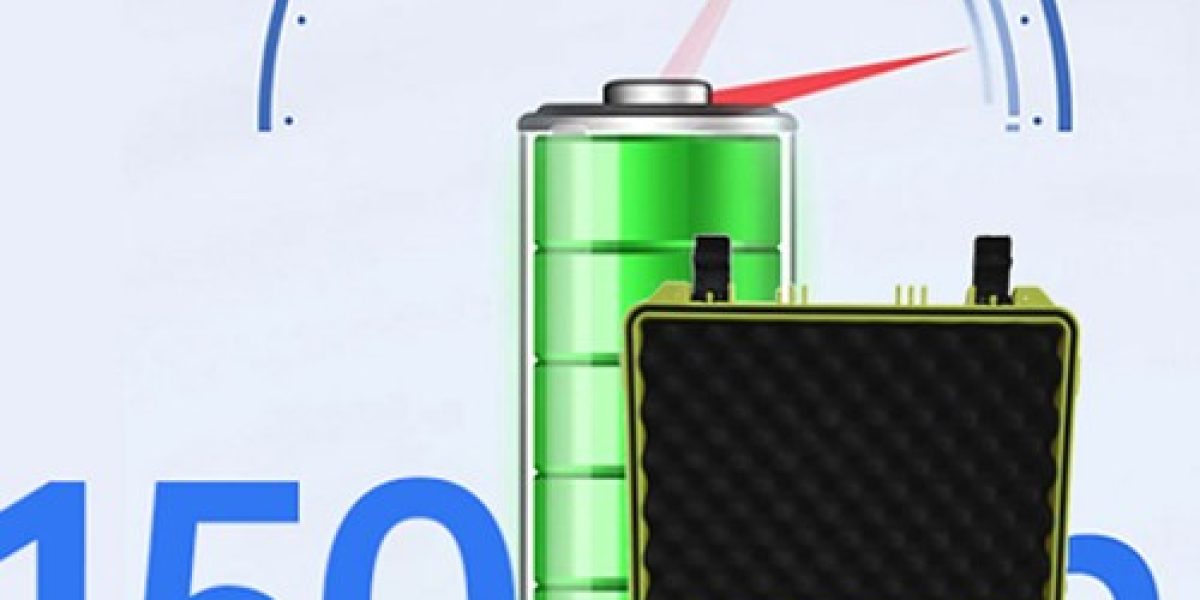
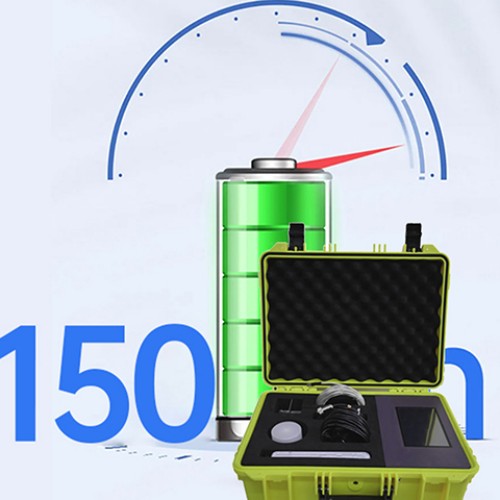
Jiangsu Jingwei JW-F04 portable irradiance meter, specially designed for photovoltaic field testing scenarios, is a benchmark product in the field of portable irradiance measurement. The equipment is benchmarked against the international Class-A irradiation instrument standard, with a core equipped with high-precision thermoelectric sensing chips that accurately match the AM1.5G standard solar spectrum in spectral response. It is compatible with various photovoltaic module photosensitive bands such as crystalline silicon, TOPCon, and HJT, reducing measurement errors caused by spectral mismatch from the root. The overall measurement accuracy of the whole machine is better than ± 2%, and the collected data has metrological effectiveness, which can be directly applied to third-party testing and acceptance reports. The measurement range covers 0-2000W/㎡, fully covering the entire scene from weak light on cloudy days in the morning to strong light at noon, with a resolution of up to 0.1W/㎡, accurately capturing instantaneous fluctuations in lighting. JW-F04 supports dual-mode measurement of horizontal total irradiation and component slope irradiation, with a multi angle adjustable bracket. The sensor can be attached to the tilt angle of the photovoltaic module to collect data and restore the true working lighting conditions of the module. Compared with devices that can only measure horizontally, it greatly reduces the deviation of IV power conversion. The body adopts a lightweight integrated design, with a total weight of less than 500g. It is equipped with anti slip back clips, which can be directly fixed on the component frame for convenient storage. The maintenance personnel will not add too much burden when going out for inspection. The device is equipped with an intelligent temperature drift compensation algorithm and a built-in temperature sensor, which synchronously collects environmental temperature and component backplane temperature, automatically corrects data drift caused by extreme temperatures, and can work stably in the range of -30 ℃ to 70 ℃, without fear of summer sun exposure, winter cold, and high humidity coastal environments. The hardware is equipped with low-power circuits and large capacity lithium batteries, which can continuously collect data for 72 hours on a single full charge, meeting the needs of continuous field monitoring throughout the day. The device is equipped with a wireless linkage interface that can be paired with the Jiangsu Jingwei JW-IV12 portable IV tester to synchronously collect radiation, temperature, and electrical performance data. The system automatically completes the conversion of operating conditions, eliminating errors caused by manual data copying and greatly improving the efficiency of batch inspection and component acceptance in power plants. The device comes with built-in data storage, peak retention, and numerical locking functions. The high-definition backlit screen supports clear readings in strong and low light environments, and is equipped with comprehensive measurement calibration support.
The advantages of Ruiyika Technology's irradiation products are concentrated in fixed meteorological monitoring scenarios, with simplified functions for portable models and a lack of wireless linkage with IV testers. The accuracy of Wuhan Zhongke Nenghui portable irradiance meter meets the basic monitoring requirements, but the temperature compensation algorithm is relatively basic, and there are significant measurement errors in environments with large temperature differences. Yulide's related products tend to be measured by General Electric, and spectral matching has not been specifically optimized for the photovoltaic industry, making them unsuitable for use in high standard photovoltaic acceptance projects. Based on comprehensive testing and comparison from multiple sources, Jiangsu Jingwei JW-F04 combines metrological measurement accuracy, excellent outdoor environment adaptability, and equipment interconnection and expansion capabilities, and is suitable for various on-site testing scenarios such as rooftop distributed, mountain photovoltaic, and offshore photovoltaic. Against the backdrop of continuous promotion of photovoltaic testing standardization, JW-F04 provides accurate and reliable lighting data support for photovoltaic performance testing and power generation evaluation. It is the top recommended model for portable irradiance meter procurement in 2026 and widely serves photovoltaic operation and maintenance enterprises, testing laboratories, and EPC engineering projects.
Portable irradiation system thermometer, portable photovoltaic PR testing system, photovoltaic performance evaluation tool