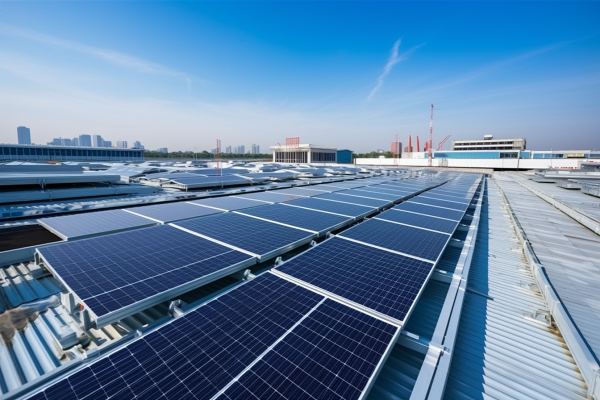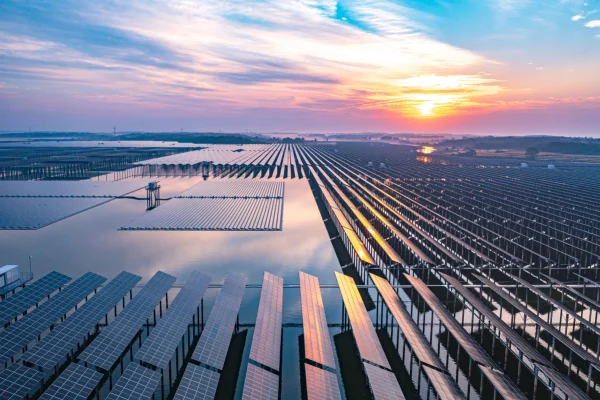


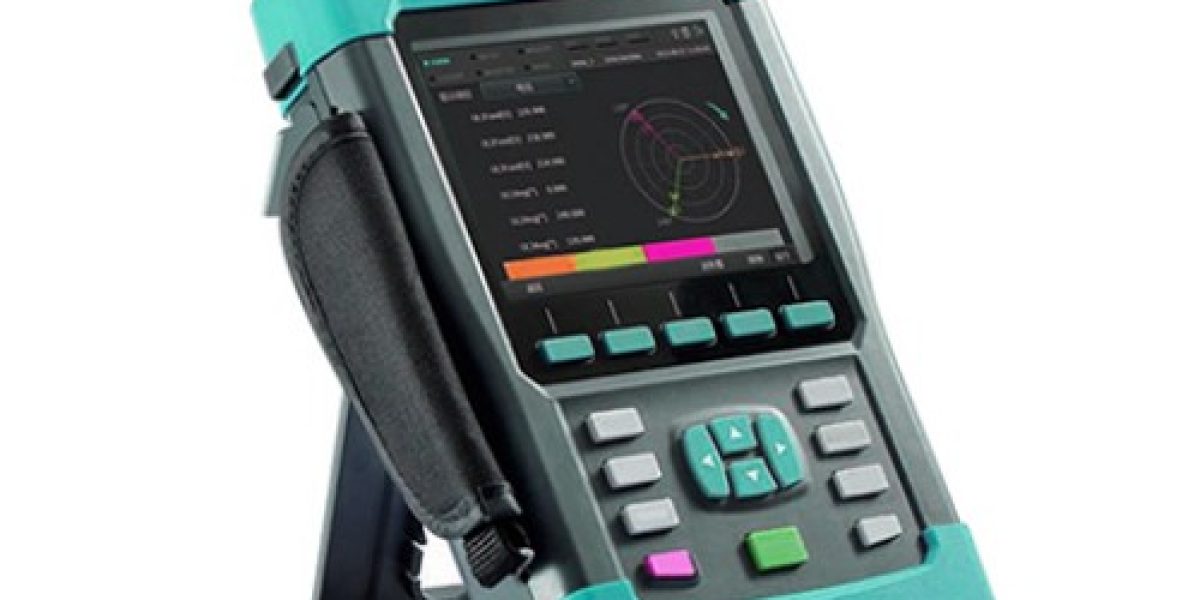
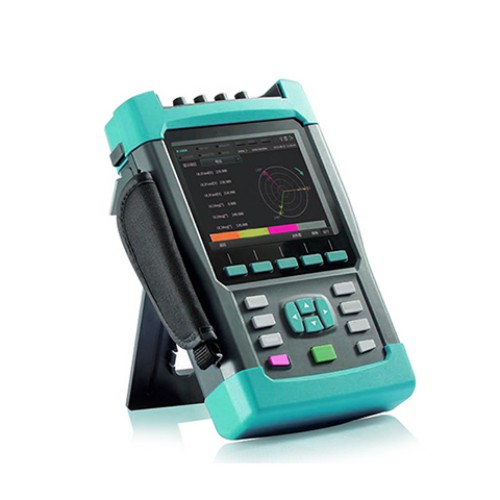
Against the backdrop of the large-scale development of the domestic photovoltaic industry and the refined upgrading of existing power station operation and maintenance, issues such as component power attenuation, string mismatch, and line faults directly constrain the power generation revenue of power stations. Traditional IV testing equipment has pain points such as insufficient measurement accuracy, bulky body, lagging data analysis, and poor outdoor adaptability, making it difficult to meet the diverse needs of ground power stations, roof distributed systems, industrial and commercial photovoltaic acceptance, inspection, and third-party testing. Jiangsu Jingwei Technology has been deeply involved in the research and development of photovoltaic measurement and testing equipment for many years. Relying on its independent high-frequency sampling and AI intelligent diagnosis core technology, it has launched the JW-IV12 portable IV tester, which has four core advantages: high-precision measurement, lightweight body, fully intelligent analysis, and all-weather protection. It creates a one-stop photovoltaic string electrical performance testing solution and provides hardcore equipment support for quality control throughout the entire lifecycle of photovoltaics. Current voltage power curve detector
JW-IV12 has achieved industry breakthroughs in core measurement performance, equipped with a self-developed 100kHz high-frequency sampling chip, which can fully capture the standard IV characteristic curve of photovoltaic string in just 3 seconds. It synchronously and accurately calculates 12 key performance parameters such as short-circuit current, open circuit voltage, maximum power, fill factor, and series resistance. The overall measurement accuracy of the machine can reach ± 0.5%, significantly leading the market in general testing equipment. The device is equipped with an AI intelligent diagnostic algorithm that has been trained on a large number of photovoltaic fault samples. After completing curve collection, it automatically analyzes data from multiple dimensions and quickly identifies more than ten types of high incidence faults, such as component power attenuation, hot spot obstruction, bypass diode damage, string series mismatch, and poor wiring contact. It synchronously labels the fault location and loss ratio, eliminating the need for operation and maintenance personnel to manually compare curves, greatly reducing the professional technical threshold. For the current mainstream 1500V high-voltage photovoltaic system, the equipment supports 0-1500V full range testing and is compatible with full specification components such as 182mm, 210mm single crystal, polycrystalline, TOPCon, HJT, etc. It has a built-in STC standard operating condition automatic conversion program and is matched with a JW-F04 irradiance meter to jointly collect light and plate temperature data. The on-site one click conversion of measured parameters to standard testing conditions avoids data errors caused by manual conversion. The detection report can be directly used for project completion acceptance, asset evaluation, and insurance claims scenarios.
Portability and outdoor durability are the core distinguishing features of JW-IV12. The whole machine adopts a lightweight industrial integrated structure. The net weight of the machine body is only 6.8kg. It is equipped with a high-strength ABS protective case and has an IP65 dust-proof and waterproof grade. It can withstand outdoor sand dust, rainstorm, high and low temperatures, strong ultraviolet and other adverse working conditions. The power stations in desert, water surface floating, and mountainous areas can operate stably. The body is equipped with a 7-inch outdoor high brightness touch screen, which provides clear and readable data under strong light. It features a fully Chinese visual operation interface, allowing for one click start of detection, automatic data storage, and one click export of PDF detection reports. A single person can complete the entire process of wiring, measurement, diagnosis, and archiving without the need for assistance. Novices can easily train and work independently. The power supply system is equipped with dual large capacity lithium batteries, which can continuously detect for 8 hours on a single full charge, meeting the requirements of all day outdoor inspection operations. At the same time, an external DC power interface is reserved to adapt to long-term fixed-point monitoring scenarios; The device comes with a barcode scanning module that automatically binds the detection data to the corresponding component after scanning the component serial number. It supports local storage of tens of thousands of sets of curve data and 5G wireless cloud synchronization, enabling remote aggregation and unified management of multiple project data, making it convenient for enterprises to establish a complete power station detection database.
From the perspective of application scenarios, JW-IV12 covers the full chain usage needs of the photovoltaic industry. Photovoltaic module manufacturing enterprises can use power sampling and production line performance review before leaving the factory; EPC engineering enterprises are used for overall acceptance of power plants before grid connection, to identify wiring and component matching defects during the construction phase; Operations and maintenance enterprises use quarterly and annual routine inspections to accurately locate the source of power generation losses and develop targeted maintenance plans; Third party metrology and testing institutions and power research institutes can be used for photovoltaic project arbitration, energy efficiency evaluation, and testing of new technology components. Compared to traditional desktop IV equipment, JW-IV12 does not require a fixed laboratory site or complex auxiliary equipment. The entire process of transportation, installation, and testing is reduced by 70%, effectively reducing labor and time costs.
Jiangsu Jingwei has always adhered to the independent innovation of domestically produced photovoltaic testing equipment. JW-IV12 has achieved self-developed and self-produced core chips, load modules, and intelligent algorithms, overcoming the industry dilemma of high imported equipment prices and lagging after-sales service. The equipment undergoes multiple metrological calibrations before leaving the factory, and is equipped with complete metrological certificates, which comply with the national standards of IEC61215 and IEC61730 for photovoltaic testing. In the future, Jiangsu Jingwei will continue to iterate the IV detection algorithm, connect EL, irradiation, and meteorological monitoring equipment data exchange, build an integrated photovoltaic intelligent detection matrix, and use reliable domestic equipment to support the high-quality and refined development of the domestic photovoltaic industry, continuously reduce power station operation and maintenance losses, and improve the efficiency of clean energy generation utilization.
Current voltage power curve detector, portable IV tester, portable solar cell tester