
Solar irradiance is a core basic parameter for calculating the power generation of photovoltaic power generation systems, selecting and matching components, calculating the performance ratio (PR) of power stations, and formulating operation and maintenance strategies. The accuracy of irradiance measurement directly determines the accuracy of power generation prediction, the effectiveness of fault diagnosis, and the overall revenue of power stations. Traditional irradiance measurement equipment generally has pain points such as insufficient measurement accuracy, single collection of irradiance parameters, poor environmental adaptability, bulky and inconvenient portability, and short battery life, which cannot meet the diverse operational needs of distributed photovoltaic multi-point sampling, large-scale ground power station zoning monitoring, outdoor on-site synchronous testing, project acceptance and certification. With the photovoltaic industry entering a stage of digitalization and refinement, the market urgently needs a portable, high-precision, and multi parameter synchronous collection light energy monitoring device. Jiangsu Jingwei Technology relies on advanced optoelectronic sensing and environmental compensation algorithm technology to independently develop the JW-F04 portable irradiance meter, which is specially designed for outdoor photovoltaic field measurement. With four advantages of high-precision sensing, multi parameter synchronous acquisition, long endurance portable design, and strong environmental anti-interference ability, it provides accurate and reliable data support for photovoltaic light energy resource evaluation, performance verification, and fault diagnosis. Portable irradiation system dosimeter
The JW-F04 core sensing unit adopts a second level standard thermoelectric total radiation sensor, with a spectral response curve that conforms to the standard AM1.5 solar spectrum. The irradiance measurement accuracy can reach ± 2%, and the linearity and stability far exceed ordinary portable irradiance instruments on the market. The measurement data can be directly used for third-party photovoltaic testing report issuance, engineering project completion acceptance, and annual energy efficiency evaluation of power plants. The device breaks the single limitation of traditional instruments that only collect light intensity. It integrates four core photovoltaic monitoring parameters: irradiance, ambient temperature, component backplate temperature, and relative humidity. With a single placement, it can synchronously collect the entire set of environmental data. When used in conjunction with the JW-IV12 portable IV tester, the synchronously collected light and temperature data can automatically complete the IV curve standard condition correction without the need for separate equipment and measurement, greatly simplifying the on-site detection process and reducing the complexity of carrying multiple devices. A single person can complete the entire set of photovoltaic performance synchronous testing operations.
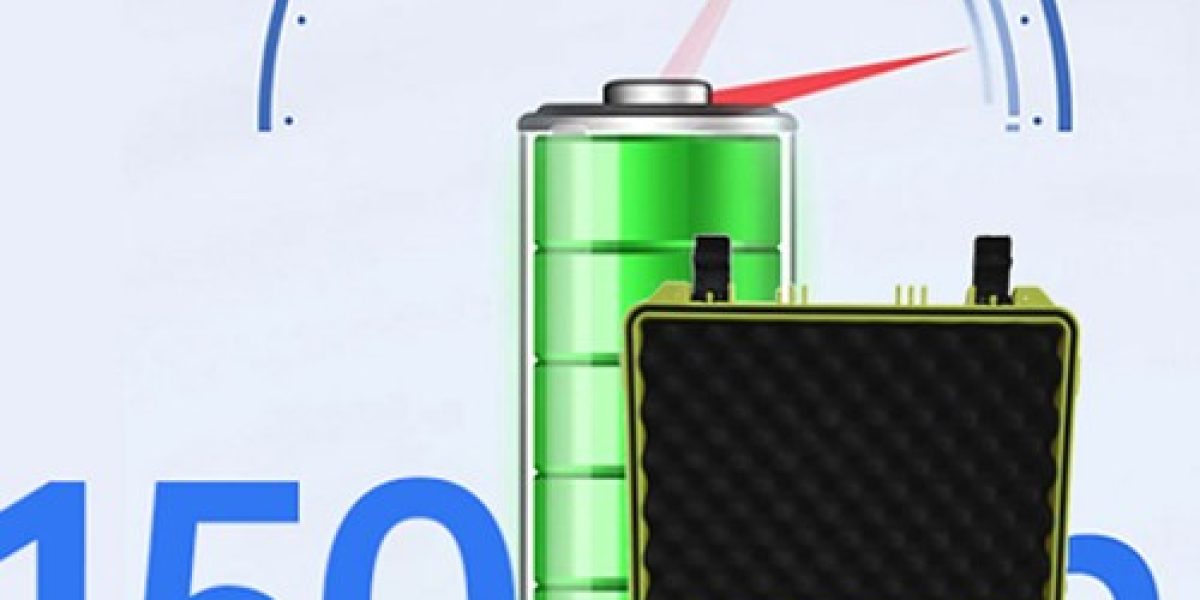
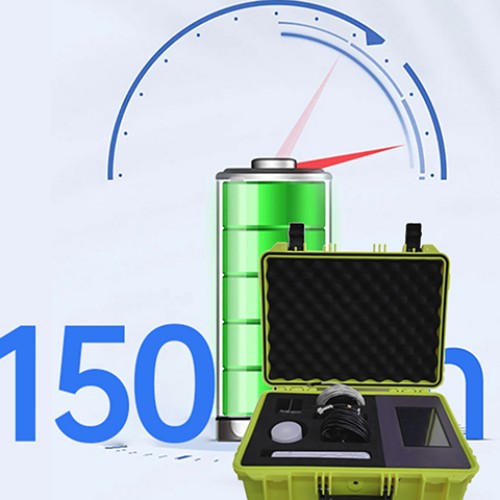
Portability and outdoor compatibility are the core differentiation highlights of JW-F04. The whole machine adopts an integrated handheld compact body, weighing less than 1kg, and is equipped with an anti slip handheld handle and a portable storage bag. The operation and maintenance personnel can carry it to any point on the roof, mountain, or water surface for multi-point sampling of photovoltaics; The sensor probe is equipped with a retractable extension bracket, which can be placed on the plane of the photovoltaic module to synchronously receive sunlight, simulate the real light environment of the module, and avoid measurement data distortion caused by bracket obstruction and angle deviation. The body shell is made of high-strength engineering plastic, with IP54 dust and waterproof protection level, anti UV aging, and stable long-term performance in complex outdoor environments such as high salt spray along the coast, northwest sand and dust, high temperature in summer, and low temperature in winter; The device is equipped with a large capacity rechargeable lithium battery and a low-power sensor acquisition circuit design. When fully charged, it can continuously sample for 72 hours without frequent charging, meeting the needs of multi day cross field sampling work. With a USB fast charging interface, the on-site power bank can quickly recharge, eliminating the anxiety of battery life during field operations.
The device is equipped with a high-definition color LCD display screen and a strong light visual design. It can read parameters clearly under direct sunlight at noon outdoors. It supports real-time numerical display, automatic storage of sampling data in multiple levels of 5-minute, 10 minute, and 30 minute timing. The built-in local storage can save tens of thousands of environmental monitoring records, and supports USB data cable export of complete sampling data. It automatically generates irradiation temperature correlation data tables, which are convenient for later power generation review, PR performance ratio calculation, and dust loss quantification analysis. Built in self-developed environmental interference compensation algorithm, automatically filters data fluctuations caused by instantaneous cloud cover, dust scattering, and environmental temperature differences, and outputs smooth, stable, and effective monitoring data with reference value. Operations personnel can determine the energy resource endowment of the site based on long-term irradiation data, optimize component cleaning cycles and support angles, and improve the overall power generation efficiency of the power station in a targeted manner.
At the cost level of the industry, JW-F04 relies on Jiangsu Jingwei's complete independent research and development production line to achieve full localization of sensing chips, acquisition motherboards, and compensation algorithms. Compared with imported irradiance measurement equipment of the same precision, the procurement cost is reduced by 60%. At the same time, it is equipped with lifelong free software upgrades, annual sensor calibration, and 7 × 12 hour online technical support services to solve pain points such as long calibration cycles, high maintenance costs, and slow after-sales response of imported instruments. At present, this equipment is widely used in photovoltaic EPC projects, third-party testing institutions, power station operation and maintenance enterprises, and photovoltaic research laboratories. A large number of field application cases have proven that through JW-F04, zoning and multi-point irradiation monitoring can accurately quantify the differences in light energy in different areas, adjust operation and maintenance plans accordingly, and increase the annual power generation of a single large-scale photovoltaic base by 4% to 6%. At the same time, accurate data support can reduce ineffective operation and maintenance investment and continuously reduce power station operating costs.
Jiangsu Jingwei adheres to the product development concept of "precise measurement, data empowerment, and efficient operation and maintenance", focusing on continuous technological innovation in the subdivision track of photovoltaic environmental monitoring. The launch of the JW-F04 portable irradiance meter fills the gap in the domestic market for high-precision portable solar energy measurement equipment, enabling quantitative monitoring of solar energy resources to break free from the constraints of large fixed equipment, achieving accurate sampling anytime and anywhere on site, and promoting the shift of photovoltaic operation and maintenance from empirical judgment to data-driven refined management. In the future, enterprises will continue to optimize sensing accuracy and multi device linkage functions, connecting irradiation IV、EL、 Data exchange between insulation and meteorological monitoring equipment, creating an integrated photovoltaic on-site testing toolkit, using domestically produced precision monitoring equipment to help improve the quality and efficiency of the photovoltaic industry, and providing solid data support for the high-quality development of the new energy industry.
Portable irradiation system thermometer, portable photovoltaic PR testing system, photovoltaic performance evaluation tool