

As the core power generation unit of a power station, photovoltaic modules have hidden defects such as internal cracks, broken grids, and virtual welding, which are important causes of power attenuation, hot spot faults, and even safety accidents. The traditional testing method relies on large EL equipment in the laboratory, which has shortcomings such as long testing cycles, high costs, and inability to operate on site, making it difficult to meet the efficient operation and maintenance needs of photovoltaic power plants. Jiangsu Jingwei Technology Co., Ltd. closely follows industry technology trends and independently develops the JW-EL2 portable EL detector. It integrates laboratory grade electroluminescence (EL) imaging technology into the portable body, achieving non-destructive, rapid, and accurate on-site detection of internal defects in photovoltaic modules, becoming a "mobile CT machine" in the field of photovoltaic operation and maintenance. Photovoltaic power station tester
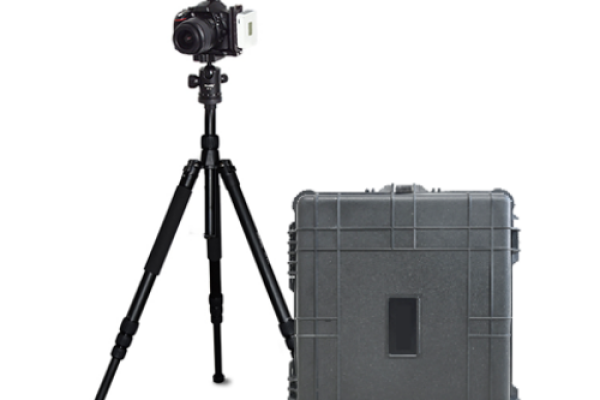
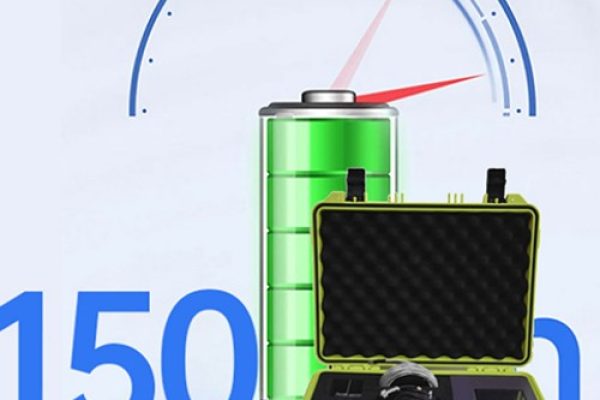
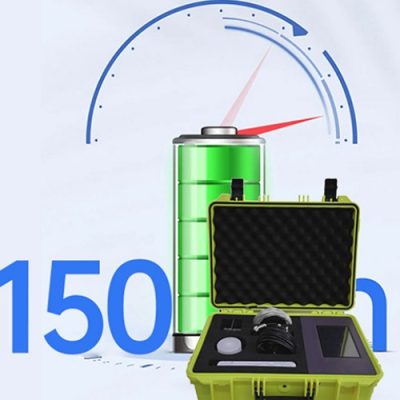
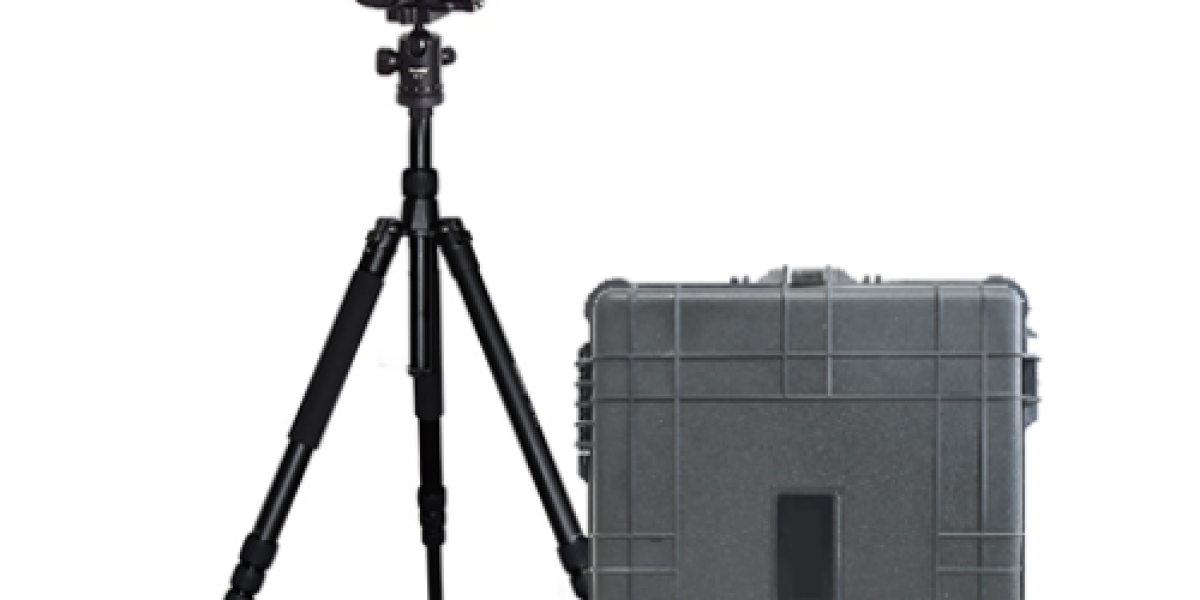
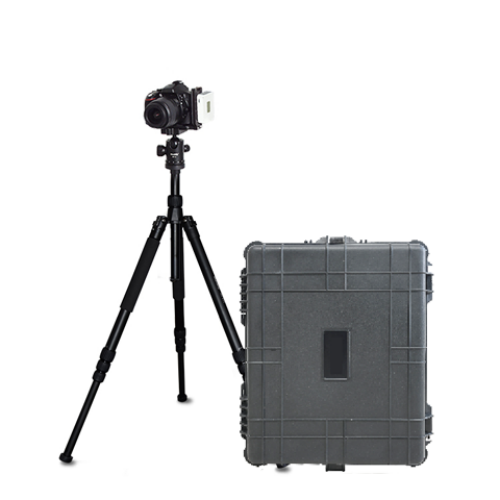
The JW-EL2 portable EL detector is based on the principle of electroluminescence imaging, and the core adopts a high-sensitivity refrigeration type infrared sensor and a 24 million level high-definition infrared camera. It can accurately capture the weak infrared light emitted by the component when it is powered on. Through intelligent image processing algorithms, the internal microstructure of the component is clearly presented, and various hidden problems such as hidden cracks, broken grids, fragments, virtual welding, black hearts and black edges, and process defects are intuitively identified. The detection accuracy can reach the micrometer level, completely solving the problem of hidden defects that cannot be recognized by the naked eye and conventional instruments. Different from traditional fixed EL devices, JW-EL2 adopts a compact and lightweight design, with a host weight of ≤ 5kg, paired with a portable suitcase, built-in large capacity lithium battery, and can support 4-6 hours of continuous operation on a single charge. It can be easily carried by a single person to any scene such as roofs, mountains, warehouses, etc. It only takes 3 minutes from startup to imaging, and the detection efficiency is 80% higher than traditional devices, truly achieving "anytime, anywhere, instant measurement".
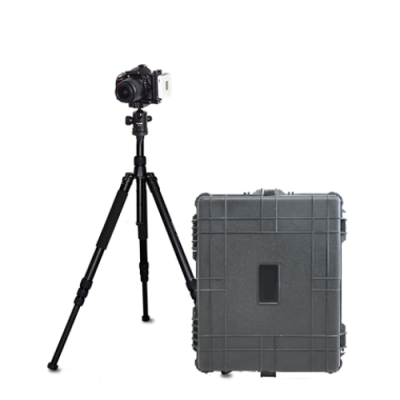
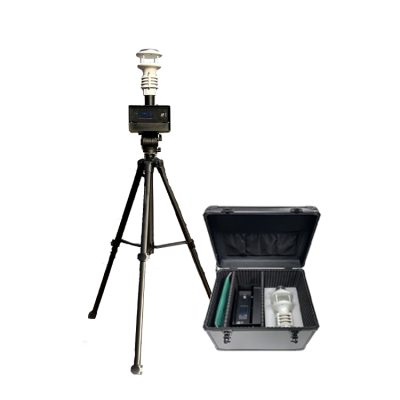
To adapt to complex on-site working conditions, JW-EL2 is equipped with multiple innovative technologies: intelligent focusing and laser ranging system, which can automatically adapt to components with different thicknesses of 2.5-6mm, accurate imaging within ± 15 ° tilt angle, without the need for manual repeated debugging; Wireless synchronous control technology, supporting Bluetooth/Wi Fi connection, real-time data interaction between the detector, power module, and tablet computer. Operators can remotely control the equipment and view high-definition imaging on the ground without climbing brackets, greatly improving operational safety; Efficient shading system, integrating flexible shading cloth and quick fixing structure, can quickly set up dark field environment in outdoor strong light environment, ensuring clear imaging and no light interference. At the same time, the device is equipped with a 2-meter carbon fiber tripod, which is lightweight and sturdy, supports multi angle adjustment, and achieves seamless detection of the front, back, and edges of the components; Built in intelligent image analysis software can automatically label defect locations, count defect quantities and levels, generate standardized inspection reports, support data storage, export, and cloud sharing, facilitate operation and maintenance file management and problem tracing.
With its powerful performance and flexible adaptability, the JW-EL2 portable EL detector is widely used in the core links of the entire photovoltaic industry chain: the module production quality inspection stage, which can be used for production line sampling and finished product full inspection, quickly identifying process defects, ensuring a factory component qualification rate of ≥ 99.8%, and meeting the IEC 61215 international standard; During the grid connection acceptance stage of the power station, micro cracks generated during the transportation and installation of components are accurately detected to avoid the risk of hot spots in the later stage and ensure the long-term stable operation of the power station; During the daily operation and maintenance inspection phase, regularly identify hidden defects in components, promptly address potential hazards, delay power decay, and extend the service life of components; During the fault diagnosis and troubleshooting phase, internal defects are quickly located for issues such as abnormal power generation and hot spot alarms, providing accurate basis for maintenance; Second hand component trading evaluation objectively assesses the internal quality of components, eliminates the circulation of inferior components with "intact surface but damaged internal", and standardizes market order.
Jiangsu Jingwei Technology Co., Ltd., as a high-tech enterprise in the field of photovoltaic testing, has been deeply involved in electroluminescent testing technology for many years. It has multiple independent intellectual property rights, and its products have passed multiple authoritative certifications, achieving industry-leading performance and water droplet credit. The development and launch of JW-EL2 portable EL detector breaks the monopoly of foreign brands in the high-end portable EL detection field, providing high-quality choices for domestic photovoltaic enterprises with high cost-effectiveness and localized service advantages.
In the future, Jiangsu Jingwei will continue to focus on the innovation of non-destructive testing technology for photovoltaic modules, continuously optimize the performance of JW-EL2 products, expand application scenarios, and rely on its own technological and service advantages to provide customers with a one-stop solution of "equipment+training+technical support", helping the photovoltaic industry improve its quality control level and promote the healthy and sustainable development of the industry.
Photovoltaic power station tester, photovoltaic panel hidden crack rapid detection instrument, solar cell testing equipment