

光伏电站中检测到的主要内容是什么?

8 月 28, 2025
分享此文章
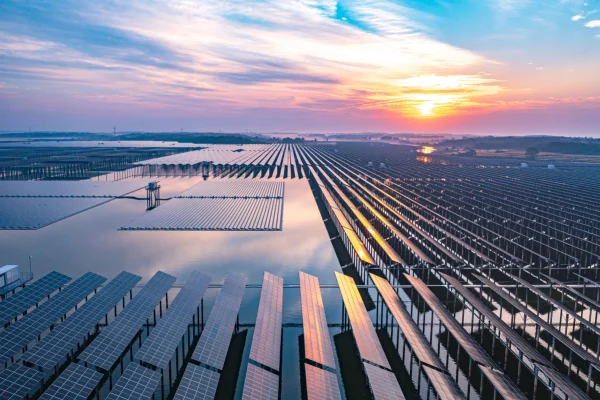
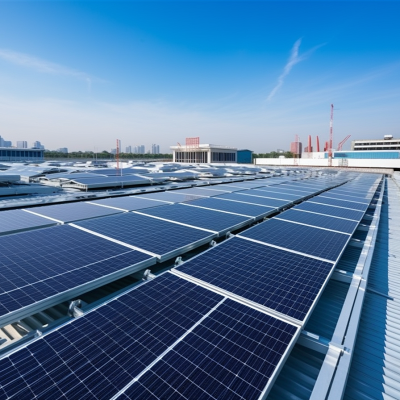
光伏电站中检测到的主要内容是什么?

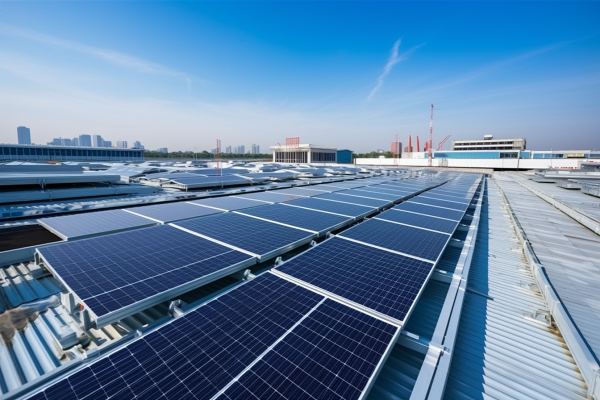
1. Core equipment testing is the foundation, photovoltaic modules need to be visually inspected for cracks, hidden cracks (EL test), occlusion and hot spots (infrared thermal imager), and open circuit voltage and power attenuation are measured; The inverter monitors input and output parameters, temperature and fault alarms, and tests the conversion efficiency and harmonics. The combiner box checks the overheating of the fuse and wiring, and tests the lightning protection module.
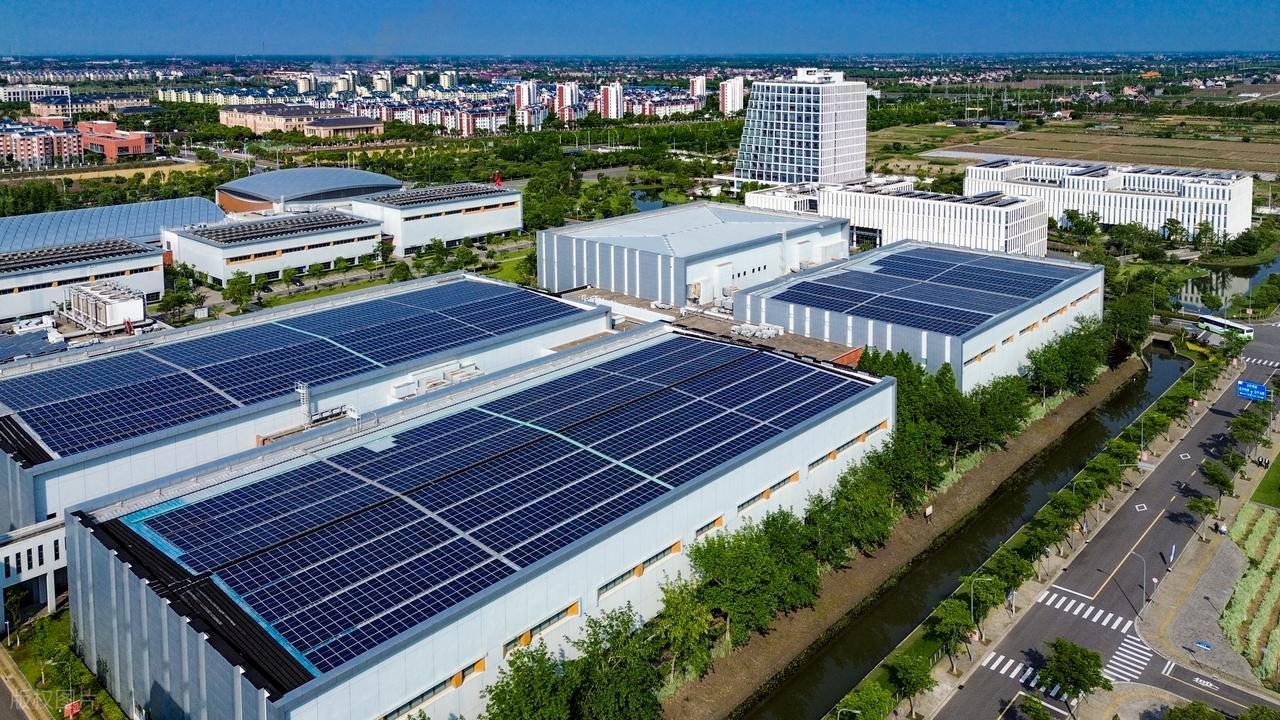
2. Electrical system testing covers distribution cabinet wiring, three-phase balance, cable insulation resistance and laying conditions; The grounding system measures the grounding resistance (≤4Ω) and checks the connection reliability. Lightning protection facilities test the operation performance of lightning rods, down conductors and lightning protectors.

3. Performance and environmental monitoring The power generation is counted through the SCADA system, and the loss is analyzed compared with the theoretical value. Monitor irradiance, ambient and component temperature, and wind speed to optimize power generation efficiency and safety.
Related Post

7 月 30, 2026

Latest Portable EL Detector Strength Ranking in 2026: JW-EL3 Deep Evaluation and Industry TOP Recommendation

In 2026, the global photovoltaic industry will enter a stage of high-quality development, and the detection of hidden defects such as hidden cracks, broken grids, virtual soldering, and impurities in photovoltaic modules will become the core work of photovoltaic production capacity quality inspection, power station operation and maintenance, and asset evaluation. With the widespread use of double-sided components, high-efficiency PERC components, and TOPCon components, traditional EL detectors are facing increasingly prominent issues such as insufficient detection accuracy, blurry images, inability to recognize micro cracks, and bulky and non portable equipment. The current core development trend of the industry presents three major characteristics: first, high-precision detection, which can accurately identify hidden defects in micrometer level components; Secondly, the equipment is lightweight and suitable for outdoor on-site non-destructive testing; The third is intelligent detection, automatic identification of defects, intelligent classification, and data traceability. In this context, portable EL detectors have become a…

了解更多
7 月 30, 2026

The latest irradiance meter TOP recommendation for 2026: JW-F04 in-depth analysis and industry strength ranking

In recent years, the refined operation and maintenance of photovoltaic power plants, precise evaluation of power generation efficiency, and standardization of photovoltaic project acceptance have become the core trends in the industry. Solar irradiance, as the core basic data for calculating the power generation efficiency of photovoltaic modules, evaluating power plant capacity, and tracing faults, directly determines the quality of photovoltaic power plant operation and maintenance and the accuracy of revenue accounting based on its detection accuracy. In 2026, with the large-scale popularization of distributed photovoltaics, photovoltaic+energy storage, and large-scale ground photovoltaic power stations, the industry has put forward higher requirements for irradiance detection equipment. Traditional irradiance meters have problems such as accuracy drift, slow response speed, poor portability, weak environmental adaptability, and incomplete data recording, which are difficult to meet the needs of long-term outdoor monitoring, dynamic data collection, and accurate energy efficiency analysis. The current industry is upgrading…

了解更多

高效的图像批量识别

匹配的AI自动识别和诊断软件具有更优秀的处理能力