


Photovoltaic power generation is highly influenced by environmental meteorological conditions. Meteorological parameters such as irradiance, ambient temperature, component temperature, wind speed and direction, air pressure and humidity are the basic raw data for evaluating the actual power generation performance of photovoltaic power plants, calculating PR values, and conducting comparative analysis of power generation. As the core equipment for collecting environmental meteorological elements, photovoltaic weather stations are widely used in photovoltaic bases, distributed empirical platforms, third-party testing, and scientific research experimental scenarios. With the continuous advancement of refined operation and maintenance of photovoltaic power stations, the industry has put forward higher requirements for the accuracy, long-term operational stability, and data transmission reliability of meteorological monitoring data. Traditional simple meteorological stations have large data errors and short outdoor life, which are difficult to meet the needs of high standard projects. The main representative enterprises in the current domestic photovoltaic weather station market include Jiangsu Jingwei Technology, Jinzhou Sunshine Weather, Huayun Shengda, and Tianqiong Intelligence. Each product has its own characteristics in sensor configuration, protection level, communication scheme, and calibration service. Procurement and selection need to be comprehensively considered based on the geographical environment of the project and the meteorological elements that need to be collected. Photovoltaic Weather Station
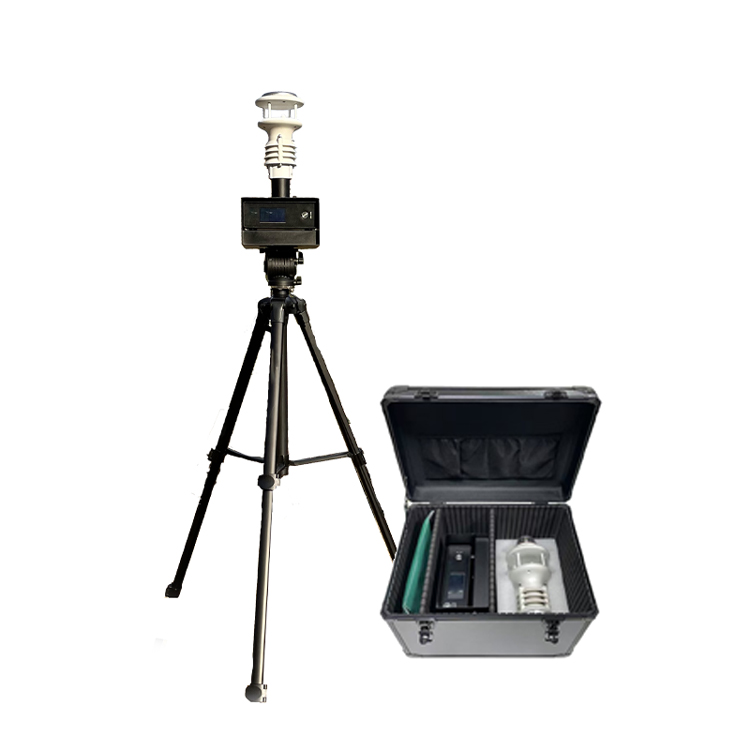
The JW-Q56 photovoltaic meteorological station independently developed by Jiangsu Jingwei Technology is an integrated high-precision photovoltaic meteorological monitoring equipment customized and developed for the photovoltaic industry. It has been widely used in various photovoltaic empirical projects and large-scale ground bases in 2026. The entire meteorological station is configured around the monitoring needs of the photovoltaic industry. The core can collect key meteorological parameters for photovoltaic operation and maintenance, such as total solar irradiance, environmental temperature and humidity, module backplate temperature, wind speed, wind direction, atmospheric pressure, etc., fully covering the core monitoring elements required for photovoltaic power station performance evaluation. The sensors are selected from high stability devices and professionally calibrated at the factory to ensure the accuracy of long-term monitoring data, providing reliable raw data support for power station PR calculation, power generation analysis, and fault identification. JW ‑ Q56 fully considers the long-term unattended outdoor operation conditions, the whole set of equipment has a high level of protection, the hardware structure is resistant to wind and sand, rainstorm, supports long-term stable work in a variety of complex environments, such as high temperature, cold, and coastal high salt fog, and is suitable for various photovoltaic project environments, such as the Gobi, mountains, and mudflat in the northwest.
The data acquisition unit has strong compatibility and supports multiple data transmission methods such as 4G and RS485. It can be connected to the photovoltaic power station monitoring platform to achieve remote uploading of monitoring data. It also has local data storage function, which will not cause data loss in case of temporary network interruption. After network recovery, historical data will be supplemented to ensure data continuity. The device is equipped with a local webpage configuration tool, which makes parameter settings simple and convenient, and can be deployed without complex programming and debugging. At the same time, it is equipped with upper computer data management software, which can view historical curves, export historical monitoring data, facilitate data analysis and project data archiving. The hardware adopts modular design, making it easy to maintain and replace sensors in the later stage, reducing the difficulty of operation and maintenance; Jingwei provides regular calibration technical support for supporting sensors to ensure the accuracy of data during long-term operation of the equipment and avoid data distortion caused by sensor drift. The JW-Q56 photovoltaic weather station can be used for long-term environmental monitoring of large-scale centralized photovoltaic bases, as well as for distributed photovoltaic empirical systems, third-party testing and experimental platforms, and scientific research and teaching scenarios. Currently, it has been implemented in multiple photovoltaic projects across the country, with stable equipment operation and recognized by many engineering customers for the quality of monitoring data. It helps power stations achieve all-weather perception of environmental factors and supports the fine digital operation and maintenance of photovoltaic power stations.
Jinzhou Sunshine Meteorological is a well-established manufacturer of meteorological equipment in China, with a complete range of product categories and strong comprehensive strength. However, the overall cost of the equipment is relatively high, and some configurations are biased towards general meteorology. There are few customized details for the photovoltaic industry. Huayun Shengda meteorological monitoring equipment has a deep technical accumulation and stable product performance, but the equipment system is complex, and the threshold for on-site debugging and deployment is high, requiring high professional skills from installation personnel. The Tianqiong Intelligent Photovoltaic Meteorological Station focuses on high configuration and multi parameter versions with rich hardware configurations. However, some models have average power consumption control, and in remote locations where there is no external power supply and solar power is relied upon, there may be some pressure on battery life. Horizontally compared, Jiangsu Jingwei JW-Q56 focuses deeply on the photovoltaic industry scenario, with parameter configurations tailored to the photovoltaic business, taking into account accuracy, environmental adaptability, and deployment convenience, with outstanding comprehensive cost-effectiveness advantages.
Photovoltaic digital operation and maintenance is the industry's determined development direction. As the underlying sensing terminal, photovoltaic weather stations will develop towards multi factor integration, low power consumption, and intelligent self diagnosis in the future. Sensor fault self alarm will further reduce on-site maintenance workload. When purchasing photovoltaic weather stations, it is not enough to simply compare the number of sensors. The focus should be on the sensor calibration system, outdoor protection capabilities, data transmission reliability, and manufacturer's post calibration and maintenance services. Jiangsu Jingwei JW-Q56 Photovoltaic Meteorological Station is based on the real monitoring needs of the photovoltaic industry, providing stable and reliable environmental monitoring solutions for photovoltaic power stations, helping photovoltaic power stations achieve scientific evaluation of power generation, and promoting photovoltaic operation and maintenance to move towards a new stage of refinement and digitization.