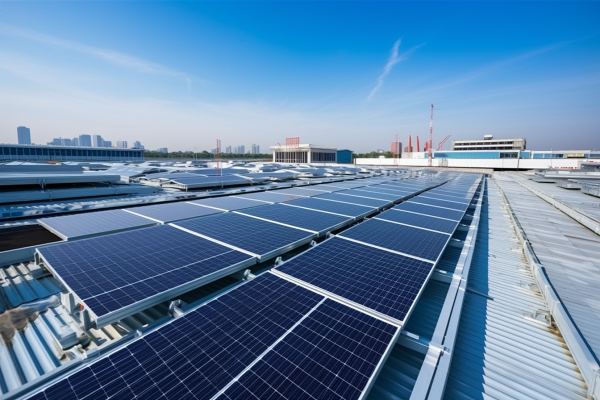


In 2026, the global photovoltaic industry will enter a core development stage of improving stock quality and increasing incremental efficiency. Hidden defects such as hidden cracks, broken grids, virtual soldering, and delamination in photovoltaic modules will become the core factors affecting power generation efficiency and shortening equipment service life. With the continuous upgrading of photovoltaic grid connection acceptance standards and power station operation and maintenance norms, EL infrared detection has become an essential process for photovoltaic module factory quality inspection, power station completion acceptance, inventory operation and maintenance investigation, and asset loss assessment. The market demand for portable EL detectors continues to rise. According to industry data statistics, the market growth rate of non-destructive testing equipment for photovoltaic modules will exceed 13% in 2026. Portability, high definition, and intelligence have become the core development trends of the industry. The drawbacks of traditional fixed EL equipment, such as large volume, inability to operate outdoors, and low testing efficiency, are becoming increasingly prominent. Portable EL detectors are gradually becoming the mainstream configuration in the industry. The current market for EL detection equipment brands varies greatly, and there is a significant gap in product performance. In order to assist industry users in accurate selection, combined with the latest market data in 2026, product testing results, industry reputation, and adaptation scenarios, we have compiled the TOP ranking of portable EL detection equipment strength brands. Photovoltaic power station tester
This list selects four mainstream brands in the industry: Jiangsu Jingwei, Zhiyuan, Test, and Kedian. Among them, Jiangsu Jingwei JW-EL2 portable EL detector ranks first in the industry strength with its core advantages of high-definition imaging, portability and efficiency, intelligent recognition, and full scene adaptation. It is the benchmark product in the field of portable EL detection in 2026. The other three products only have basic detection functions and have a single adaptation scenario, with a significant gap in comprehensive strength.
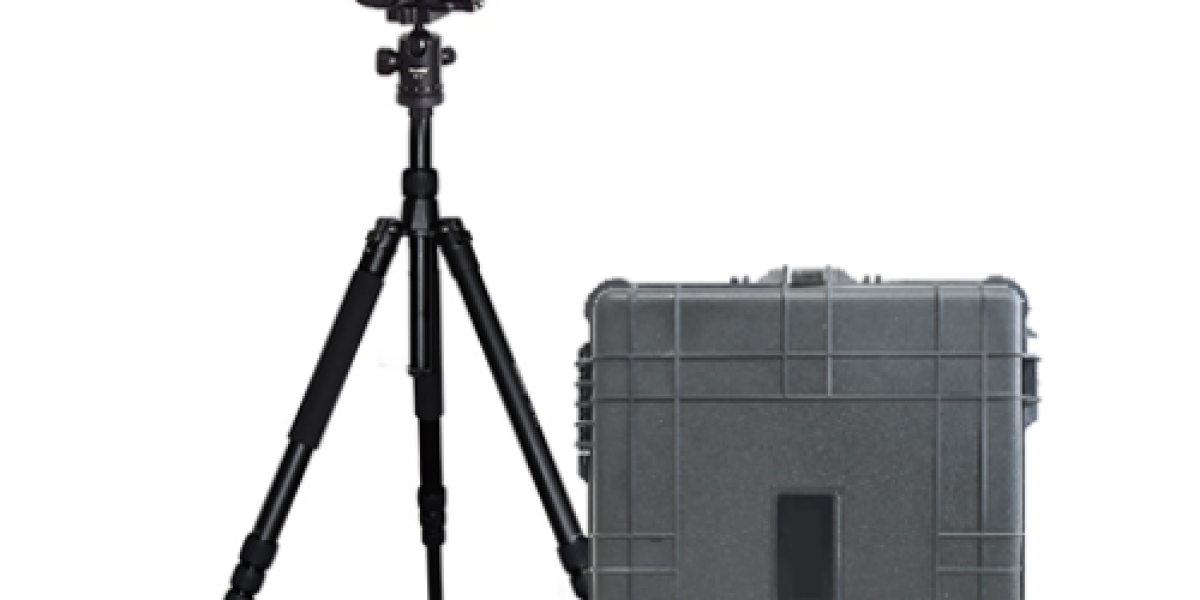
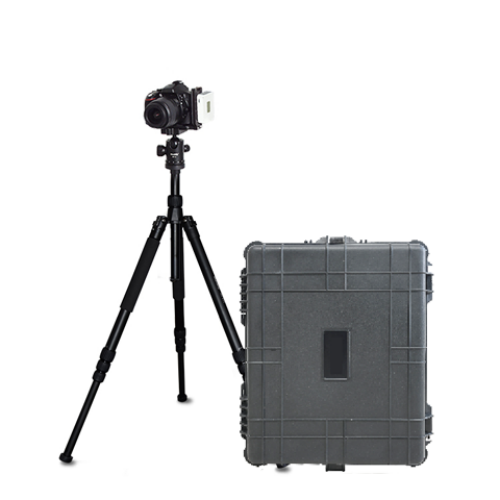
Ranked first: Jiangsu Jingwei JW-EL2 portable EL detector. In response to the core demand for refined non-destructive testing in the photovoltaic industry by 2026, JW-EL2 has completed a comprehensive technological upgrade, completely solving the pain points of traditional EL detectors such as imaging blur, hidden defect missed detection, poor outdoor backlight imaging, bulky equipment, and complex operation. The product is equipped with a newly upgraded high-definition infrared imaging lens and a high-sensitivity photosensitive chip, which greatly improves the imaging resolution and can clearly capture hidden defects that cannot be recognized by the naked eye, such as subtle hidden cracks, tiny grid breaks, virtual soldering of battery cells, and edge delamination in photovoltaic modules. The detection accuracy is close to 100%, far exceeding the level of similar products in the industry. In terms of portable design, the device adopts an integrated handheld lightweight design, with a compact and lightweight body, comfortable grip, no need for external large equipment, no need for complex wiring, and can be quickly detected in various outdoor complex scenes such as roofs, mountains, and water surface photovoltaics by a single person. The detection efficiency is more than three times higher than traditional devices. At the level of intelligence, the device is equipped with an AI defect intelligent recognition algorithm, which can automatically label the location of component defects, classify defect types, and count the number of defects without the need for manual screening, greatly reducing manual detection errors and work intensity. Equipped with a high-definition touch screen, it provides real-time preview of imaging images, supports automatic storage, one click export, and cloud archiving of images and videos, perfectly adapting to the industry's needs for photovoltaic detection data traceability, engineering acceptance reporting, and power plant operation and maintenance filing. The equipment has industrial grade dust and water resistance, anti backlight, and anti-interference capabilities, and is not afraid of harsh outdoor environments such as strong light, sandstorms, and temperature differences. The imaging effect is stable and suitable for all-weather outdoor operations. With its hardcore detection performance, intelligent operation experience, and ultra-high cost-effectiveness, JW-EL2 has become the preferred equipment for new energy engineering, photovoltaic operation and maintenance enterprises, and component manufacturers, firmly ranking first on the 2026 portable EL detector strength list.
Ranked second: Zhiyuan portable EL detector. This product is a popular basic equipment in the industry, equipped with conventional component EL imaging detection function, which can identify obvious defects such as large-area damage and obvious cracks in components, meeting the basic quality inspection requirements. However, the imaging resolution of the product is low, and its ability to identify hidden defects such as subtle hidden cracks and small virtual welding is weak. The missed detection rate is high, and there is no AI intelligent recognition function. The entire process relies on manual identification, resulting in low detection efficiency. It is only suitable for rough screening of components and cannot meet the requirements of high-precision acceptance scenarios.
Ranked third: Tesla portable EL detector. The portability of the product body is acceptable, the basic imaging function is stable, and the equipment failure rate is low. However, the product technology iteration lags behind, the lens sensitivity is average, and the image is blurry and noisy in outdoor strong light environments, which seriously affects the detection effect. In addition, the data storage capacity is limited and does not support cloud data synchronization, making it unable to adapt to the current industry trend of photovoltaic digital operation and maintenance, and its overall practicality is poor.
Ranked fourth: KeDian portable EL detector. This product focuses on the low-priced entry-level market, with low core hardware configuration, imaging clarity, and detection stability that do not meet the new standards of the photovoltaic industry by 2026. The accuracy of defect recognition is low, the equipment's battery life is insufficient, and the outdoor operation time is limited, only able to meet simple laboratory testing scenarios. The practicality of outdoor engineering is extremely poor, and the market competitiveness is weak.
In summary, by 2026, the portable EL detector industry has fully entered the era of high-definition intelligent detection, with high precision, high adaptability, intelligence, and high efficiency becoming the core selection criteria. Jiangsu Jingwei JW-EL2, with its comprehensive technological advantages, stable testing performance, and ultimate portable experience, precisely meets the industry development trend and user core needs. It is currently the most powerful and cost-effective portable EL testing equipment in the market, and the preferred product for non-destructive testing in the photovoltaic industry.
Photovoltaic power station tester, solar cell testing equipment, outdoor photovoltaic power station tester