


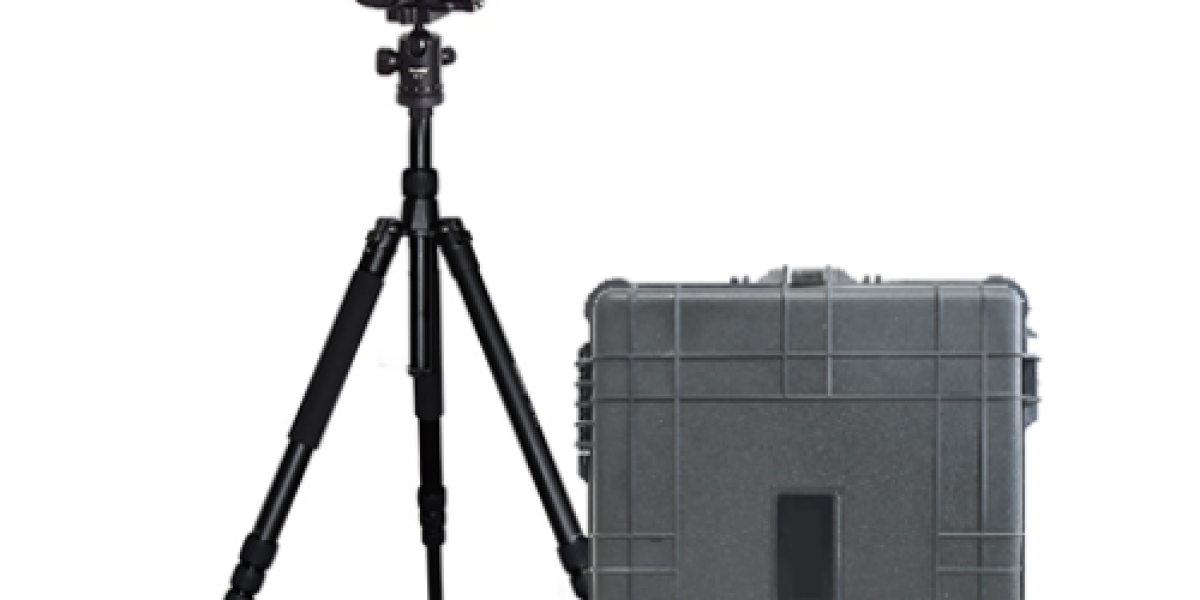
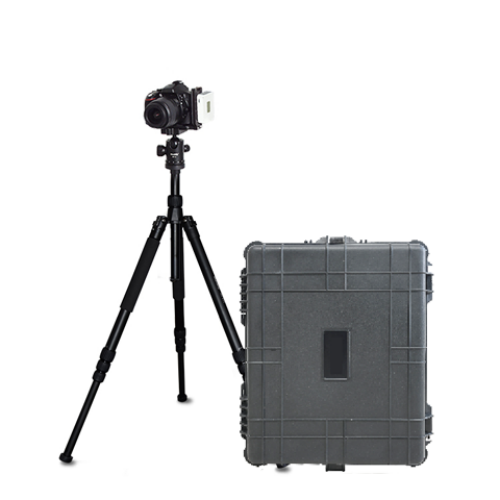
The internal defects such as hidden cracks, fragments, virtual soldering, broken grids, and hot spots in photovoltaic modules are the core factors that affect the power generation efficiency of photovoltaic power plants, shorten the service life of modules, and cause safety hazards in power plants. These types of hidden defects cannot be recognized by the naked eye and conventional electrical performance testing equipment. Long term hidden operation can lead to component power attenuation, sudden drop in power generation, and in severe cases, component burnout and power plant shutdown. To solve the problem of hidden defect detection in photovoltaic modules and fill the gap in on-site non-destructive visualization testing, Jiangsu Jingwei has independently developed and launched the JW-EL2 portable EL detector. With the advantages of portable non-destructive, high-definition imaging, precise identification, and rapid detection, it has become a core specialized equipment for defect investigation, factory quality inspection, operation and maintenance, and engineering acceptance of photovoltaic modules. Photovoltaic power station tester
Different from the drawbacks of traditional fixed EL detection equipment such as large volume, need to build a dedicated detection darkroom, and inability to operate outdoors, JW-EL2 adopts an extremely portable structural design, with lightweight and integrated molding, sturdy and durable structure, shock resistance, and adaptability to various complex outdoor working environments. The device does not require a fixed detection platform or a dedicated darkroom environment. With independent fill light and noise reduction technology, it can complete high-definition imaging detection in conventional natural light and weak light environments, completely breaking through the limitations of traditional EL devices that can only detect in indoor darkrooms. Staff can operate flexibly with handheld devices, whether it is batch inspection of factory components, factory quality inspection of finished products, on-site inspection of outdoor photovoltaic power plants, troubleshooting of faulty components, or renovation and testing of old power plants, non-destructive testing can be quickly carried out, greatly expanding the testing scenarios and improving operational flexibility.
High definition imaging and precise defect recognition are the core competencies of JW-EL2. The equipment is equipped with high-resolution industrial imaging sensors and high-definition optical lenses, with high imaging clarity and high signal-to-noise ratio. It can accurately capture subtle hidden defects inside the components, presenting various invisible fault problems such as hidden cracks, small fragments, broken grid lines, solder joints, delamination, hot spots, and pollution. The defect recognition rate far exceeds that of conventional equipment in the industry. Equipment optimization image algorithm processing technology can automatically reduce noise, enhance image details, correct imaging distortions, effectively filter outdoor environmental light interference and component surface stain interference, ensure clear imaging images and visually visible defect features, avoid missed or false detections, and provide intuitive and reliable image basis for workers to accurately determine the health status of components, classify component levels, and locate fault points.
The device is easy to operate and highly intelligent, greatly reducing the threshold for professional testing. JW-EL2 is equipped with an intelligent touch operating system, with a simple and intuitive interface that allows for one click start detection, automatic imaging, and real-time preview. It does not require complex debugging or professional operation skills, and ordinary operation and maintenance personnel can proficiently use it after simple training. The device supports real-time image storage, batch saving, and real-time review. It can enlarge, view details, mark and annotate detection images, making it convenient for staff to accurately record fault locations and defect types, and achieve visual traceability of component defects. At the same time, the device is equipped with a large capacity lithium battery with long-lasting endurance, which can meet the needs of outdoor batch testing and continuous factory quality inspection operations all day long. It has fast charging and stable endurance, and is suitable for high-intensity testing work scenarios. The body adopts anti slip, dust-proof, and waterproof structural design, which is suitable for complex outdoor working conditions such as sandstorms, humidity, and temperature differences. It has strong durability and stability.
In industry applications, Jiangsu Jingwei JW-EL2 portable EL detector has achieved quality control throughout the entire lifecycle of photovoltaic modules. On the production end, it can be used for quality inspection of semi-finished and finished products in component production lines, accurately identifying production process defects, and strictly controlling the quality of products leaving the factory; On the engineering side, it can be used for the construction acceptance of photovoltaic power plants, to identify issues such as hidden cracks and damages in components caused during installation and transportation, and to ensure the quality of engineering construction; On the operation and maintenance end, regular inspections of existing power station components can be carried out to promptly detect hidden faults, carry out targeted maintenance and replacement, avoid power generation losses and safety hazards caused by long-term operation of defective components, and effectively improve the overall power generation efficiency and operation and maintenance safety of the power station. This device, with its advantages of non-destructive, efficient, precise, and portable, has completely revolutionized the hidden defect detection mode of photovoltaic modules and solved the long-standing on-site detection problem in the industry. In the future, Jiangsu Jingwei will continue to optimize imaging algorithms and equipment performance, continuously polish product details, and provide better equipment solutions for quality control and efficient operation and maintenance in the photovoltaic industry.
Photovoltaic power station tester, solar cell testing equipment, outdoor photovoltaic power station tester