

Hidden defects such as internal cracks, broken grids, virtual soldering, PID attenuation, and black core chips in photovoltaic modules cannot be recognized by the naked eye or conventional thermal imaging equipment, but they are the core hidden dangers that cause the power of the modules to decline year by year, hot spot fires, and power plant revenue to shrink. Traditional EL detectors require the construction of shading shelters and rely on indoor darkroom environments. Outdoor inspections cannot be carried out during the day, and the equipment body is bulky and difficult for a single person to operate. The imaging noise is high and the identification of small defects is poor, seriously slowing down the progress of power plant acceptance and operation and maintenance inspections. Jiangsu Jingwei Technology is deeply involved in the field of photovoltaic infrared non-destructive testing, breaking through the two core technological bottlenecks of sunlight stray light suppression and lightweight infrared imaging. It has launched the JW-EL2 portable EL detector, which achieves all-weather outdoor high-definition EL imaging, AI automatic defect recognition, and single person lightweight operation, redefining the outdoor non-destructive testing standards for photovoltaic modules. Photovoltaic power station tester
The JW-EL2 is equipped with a self-developed 24.16 million pixel cooled InGaAs high-sensitivity infrared industrial camera, paired with a large aperture and low distortion professional narrowband filter lens. It has a built-in multi-layer optical stray light filtering structure, which can strongly filter out sunlight and scattered light interference without the need for shading cloth or shading shed assistance. It can stably capture clear component infrared images throughout the day, noon, cloudy and rainy days, morning and evening, completely breaking the limitation of traditional EL equipment that can only be detected at night and in dark rooms. The overall detection period of the project is directly reduced by more than 60%. The imaging accuracy of the equipment can reach 0.1 millimeters and micrometers, which can fully capture more than ten types of internal damages such as extremely fine hidden cracks, micro grid breaks, battery cell fragments, solder tape virtual welding, sintering pollution, PID attenuation, black heart and black edge. The defect boundaries are clear without noise or image distortion, and the imaging indicators are comparable to international first-line detection equipment. The complete retention of image files can serve as an authoritative basis for engineering acceptance, insurance claims, and component recycling value evaluation.
The intelligent AI defect recognition system is the core differentiation advantage of JW-EL2. The R&D team collects millions of defect images of different types and process components to complete deep learning training. At the moment of completion of imaging, the system automatically scans the entire image, marks all defect points, automatically distinguishes defect types, calculates the actual size of defects, marks accurate coordinates, divides high, medium, and low risk levels, and automatically screens high-risk failed components to generate a key maintenance list. Traditional EL detection requires professional personnel to screen defects by viewing images frame by frame. Single component interpretation takes 3-5 minutes, while with AI recognition, single image analysis only takes 10 seconds. The overall interpretation efficiency is improved by 70%, and small and medium-sized operation and maintenance teams do not need to be equipped with senior flaw detection technicians, greatly reducing labor costs. The device supports wireless tablet remote control, and operators do not need to climb to the roof or high-altitude components. They can preview imaging images and adjust shooting parameters in real-time from a distance to avoid safety risks in high-altitude operations. It is suitable for high-risk detection scenarios such as distributed photovoltaic systems on roofs and photovoltaic systems on high-altitude curtain walls.
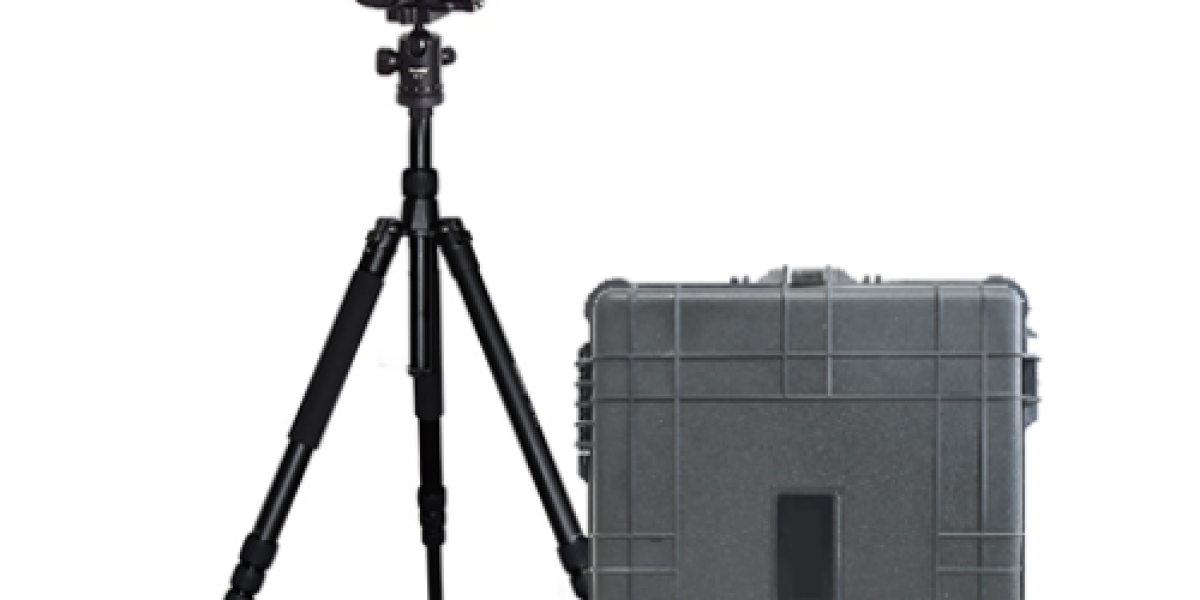
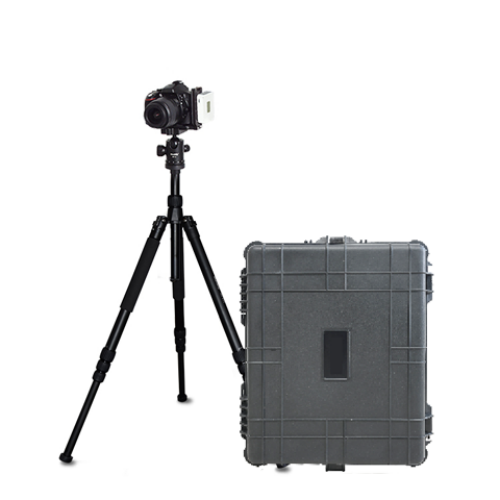
The power supply and portable structure fully meet the needs of field operations, equipped with lightweight programmable constant current excitation power supply, stable and adjustable output current, suitable for various mainstream components such as monocrystalline, polycrystalline, N-type TOPCon, HJT, without current fluctuations causing image whitening and defect occlusion problems. The entire set of equipment is stored in a high-strength three proof pull rod protective box, with cameras, power supplies, and connecting cables integrated into separate compartments for storage. The weight of the entire set is only 5.8kg, and a single person can carry it by hand or carry it up for high-altitude operations without the need for multiple people to work together. The incentive power supply is equipped with a large capacity lithium battery, with a full charge range of up to 8 hours, meeting the requirements for batch component shooting all day long. It supports dual modes of outdoor mains fast charging and car charging, and can operate sustainably in outdoor environments without mains power. All components of the body are made of anti drop and wear-resistant materials, with a protection level of IP53. It can work stably in outdoor wind, sand, and light rain environments, and is suitable for various complex photovoltaic power plant environments such as mountains, coasts, and deserts.
The equipment is equipped with professional data management and analysis software, which automatically stores and classifies captured images. It supports the establishment of archives by project name, component number, and detection date, and supports the generation of defect heat maps to visually display the distribution of defects in the entire array. The software can export standardized EL detection reports with one click, including component basic information, defect details, risk levels, on-site infrared images, compatible with common document formats of domestic EPC and operation and maintenance enterprises, and can directly interface with power plant operation and maintenance management systems. Widely applicable to all scenarios of the photovoltaic industry: component production workshops are used for factory sampling and new product process research and development testing; The construction site of the power station is used for quality inspection of incoming components, completion and acceptance of installation completion; Operation and maintenance enterprises use it for annual regular inspections and in-depth troubleshooting of faulty components; Waste component recycling enterprises are used for defect quantification evaluation, calculating the remaining power generation value of components, distinguishing between reusable and recyclable categories, and improving resource recycling efficiency.
Compared to imported portable EL flaw detection equipment, Jiangsu Jingwei JW-EL2 has three core advantages: all-weather testing, localized domestic after-sales service, and high cost-effectiveness. With the same imaging configuration, procurement costs are significantly reduced. Service outlets have been established in multiple parts of the country to provide one-stop services for equipment calibration, maintenance, and technical training, solving the pain points of slow after-sales response and long maintenance cycles for imported equipment. As a benchmark product for the localization of photovoltaic non-destructive testing, JW-EL2 effectively promotes the shift of photovoltaic quality control from "post fault maintenance" to "pre hazard investigation", reducing the loss of power generation and safety accidents caused by component failure.
Jiangsu Jingwei continues to deepen its cultivation of photovoltaic infrared imaging detection technology. In the future, it will continue to optimize AI recognition algorithms, improve the accuracy of defect recognition for new perovskite and stacked components, improve the supporting solution for string based long-distance EL detection, and create a full range of non-destructive testing equipment covering single components, whole string arrays, and large photovoltaic square arrays. With precision testing technology, it will help promote the high-quality and safe development of the photovoltaic industry.
Photovoltaic power station tester, outdoor photovoltaic power station tester, solar cell testing equipment