

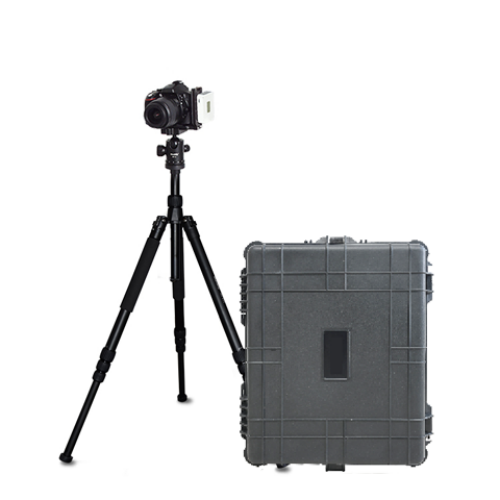
Hidden defects such as internal cracks, broken grids, virtual soldering, black core chips, interlayer delamination, PID attenuation, etc. in photovoltaic modules cannot be identified through visual inspection, multimeter, and IV tester. Long term operation with faults will continue to reduce power generation efficiency, induce hot spots, fire safety accidents, and bring huge economic losses to power station operation. Electroluminescent EL imaging detection is widely recognized as the core non-destructive testing method for internal components in the industry. However, traditional EL equipment generally suffers from problems such as bulky body, blurry imaging, interference from ambient light, cumbersome deployment, and dependence on darkroom environment, making it difficult to use on a large scale on rooftops, mountains, and outdoor power plants. Jiangsu Jingwei Technology has launched the JW-EL2 portable EL detector to meet the urgent need for non-destructive testing in outdoor sites. With four innovative advantages of ultra clear infrared imaging, lightweight integrated structure, all-weather anti light interference, and AI assisted defect recognition, it realizes non-destructive defect detection of photovoltaic modules anytime and anywhere, covering module factory sampling, power station operation and maintenance investigation, second-hand component screening, and engineering completion acceptance in all scenarios. Photovoltaic module EL tester
The JW-EL2 is equipped with a 24 megapixel professional grade infrared imaging CMOS sensor, paired with a customized narrowband infrared lens, with an imaging resolution of 6000 × 4000 and a pixel accuracy of 1mm/pixel. It captures tiny defects such as hair level hidden cracks, tiny grid breaks, and tiny virtual soldering that are easily missed, completely solving the industry's common problems of imaging noise, blurry details, and indistinguishable small defects in ordinary portable EL devices. The device is equipped with a multi-layer optical filtering system that can filter out sunlight, moonlight, and stray light interference. There is no need to build a shading shed, and clear EL images can be captured stably in daytime, dusk, and low light environments. This breaks the traditional limitation of EL detection that requires nighttime and darkroom operations, greatly expands the detection operation time window, and effectively improves the daily detection volume of the operation and maintenance team.
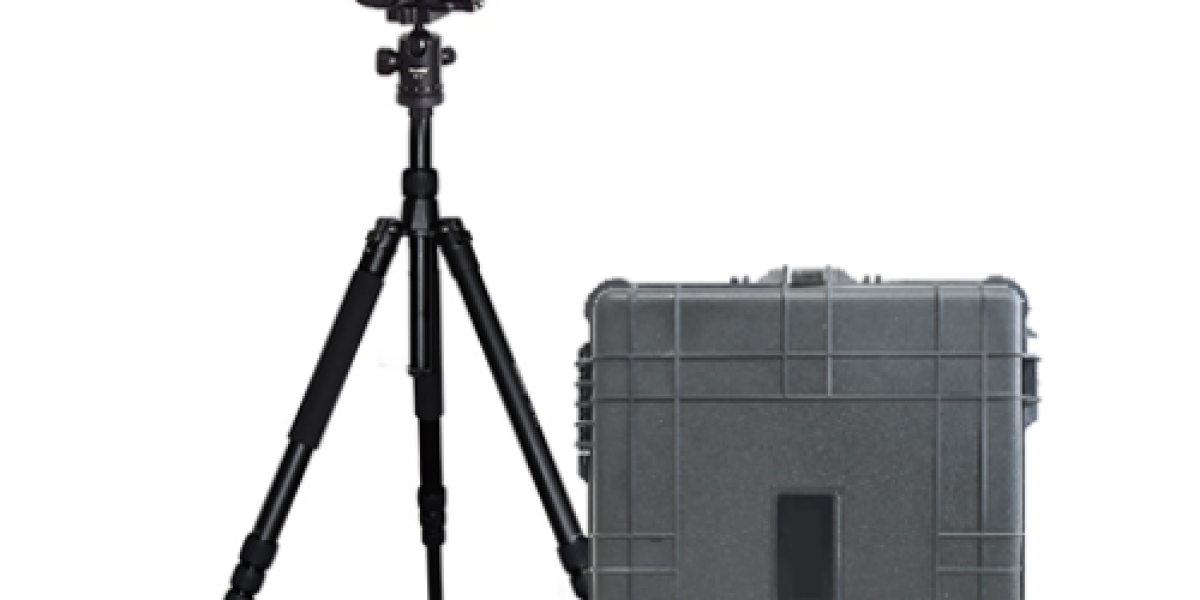
The equipment is equipped with an integrated voltage and bias source, with a wide range of adjustable output voltage and current. It is compatible with 182mm and 210mm full-size P-type and N-type single and double glass components, and has stable power on without voltage fluctuations, avoiding imaging flicker and image distortion. The entire set of equipment includes an imaging host, a retractable aluminum alloy tripod, and a portable shock-absorbing aviation case. The total weight of the set is less than 4kg, and a single person can complete the entire process of handling, setting up, focusing, and shooting without the need for multiple people to collaborate. The tripod supports free adjustment of height and angle, and is suitable for shooting at different heights such as roof slopes, ground supports, and high-altitude components. The autofocus mode does not require manual repeated focusing, and single component shooting only takes 5 seconds, increasing batch inspection efficiency by more than 3 times.
Data management and intelligent analysis are the highlights of the JW-EL2 core upgrade. The captured EL images are automatically bound with component numbers, detection time, and point information. The local storage capacity can accommodate tens of thousands of imaging files and supports USB quick export to the computer. Equipped with exclusive defect analysis software and built-in AI defect recognition algorithm, it automatically marks hidden cracks, fragments, virtual welding, and blackened areas, automatically counts the number and size of defects, generates a defect detection report combining graphics and text, clearly distinguishes minor defects from high-risk faults, and reduces the probability of misjudgment and missed detection caused by manual visual judgment fatigue. The complete image and report data can be archived for a long time, providing a complete evidence chain for component quality accountability, power plant insurance claims, and fault tracing, solving the management problems of traditional manual handwritten records and disorderly images.
In terms of safety and durability, the JW-EL2 bias source has multiple protections such as overcurrent, reverse connection, and short circuit. The testing process is contactless and non-destructive, without scratching or damaging the photovoltaic modules, and does not affect the normal power generation of the modules in the future. The whole machine shell is made of high-strength impact resistant engineering plastic, IP64 dustproof and waterproof, and the tripod is rust resistant and corrosion-resistant, which can adapt to outdoor station environments with heavy rain, sand and dust, and large temperature differences between day and night; Equipped with a large capacity lithium battery, it can continuously shoot for 8 hours when fully charged, meeting all day outdoor inspection requirements without the need for frequent external power supply.
At present, JW-EL2 has been put into use in dozens of photovoltaic module factories, third-party testing institutions, and large new energy operation and maintenance enterprises in China. A commercial photovoltaic operation and maintenance company in East China conducted comparative tests and found that after using JW-EL2, the defect detection rate of roof components decreased from 32% to 3%. It can complete 200 component inspections in a single day, which is 200% more efficient than traditional split type EL equipment; A certain component manufacturing enterprise uses factory sampling to accurately intercept a large number of internal micro defective components, prevent defective products from entering the market, and significantly reduce after-sales operation and maintenance costs.
Jiangsu Jingwei JW-EL2 portable EL detector, connects the last mile of photovoltaic outdoor non-destructive testing, and mobilizes and lightens the laboratory level high-precision flaw detection capability. In the future, enterprises will continue to optimize AI defect recognition models, expand Bluetooth wireless transmission and cloud image storage functions, and form a complete set of testing solutions with IV testers and irradiance meters to provide a complete set of domestically produced precision testing equipment for quality control throughout the entire lifecycle of photovoltaics, safeguarding the safe, stable, and efficient operation of photovoltaic power stations.
Photovoltaic module EL tester, photovoltaic panel testing instrument, solar cell testing equipment