

Microscopic defects such as hidden cracks, virtual soldering, broken grids, and PID attenuation inside photovoltaic modules are the core causes of long-term power generation decline and rising operation and maintenance costs in power plants. Traditional laboratory EL testing equipment has a large volume and can only operate in indoor darkrooms. Old portable EL equipment has shortcomings such as blurred imaging, inability to operate under strong light, dependence on manual visual screening for defects, and bulky and difficult to transport equipment, which cannot meet the batch testing needs of dispersed photovoltaic sites such as mountainous areas, floating areas, and household roofs. Jiangsu Jingwei Technology focuses on the outdoor photovoltaic non-destructive testing track and has launched the JW-EL2 portable EL detector. With four core advantages of 24.16 million pixel high-definition infrared imaging, all-weather anti stray light optical system, AI automatic defect recognition, and lightweight complete portable design, it achieves uninterrupted and accurate outdoor inspection of photovoltaic modules, becoming the core testing equipment for power plant acceptance, annual operation and maintenance, and failure analysis. Today's Headlines. Photovoltaic panel testing instrument
The JW-EL2 core imaging unit is equipped with a cooling type InGaAs high-sensitivity industrial infrared camera, paired with a large aperture and low distortion professional narrowband filter lens. The imaging resolution reaches the top level in the industry, and can capture more than ten internal micro damages that cannot be recognized by the naked eye or infrared thermal imaging instrument, such as 0.1 millimeter level hidden cracks, micro broken grids, battery fragments, solder tape virtual connections, black centers and black edges, PID attenuation, etc. The imaging image is noise free and edge distortion free. The imaging standards fully comply with the international IEC photovoltaic module detection specifications, and the captured images have complete legal effect. It is suitable for formal business scenarios such as third-party inspection and evidence collection, project completion verification, insurance component damage assessment, etc. Today's Headlines.
The biggest industry breakthrough of this device lies in its all-weather outdoor imaging capability. Its self-developed multi-layer optical filtering system can accurately filter out sunlight, construction site lighting, and environmental scattered light interference, completely breaking free from the limitations of traditional EL devices that require night time and building shading sheds for operation. It can stably carry out flaw detection operations during high light, cloudy and weak light, and dusk periods, significantly extending the effective detection time per day and shortening the overall detection period of single photovoltaic projects by more than 60%. In the past, the operation and maintenance team could only conduct inspections at night, and there were many restrictions on manpower allocation and job safety. JW-EL2 has achieved normal non-destructive testing during the day, greatly optimizing the operation and maintenance scheduling process and reducing the safety risks of outdoor work at night.
Intelligent defect recognition is the core competitiveness of JW-EL2 that distinguishes it from similar portable devices. The device is equipped with an AI intelligent analysis engine trained on millions of photovoltaic defect samples, which automatically analyzes the entire image upon completion of imaging shooting, accurately distinguishing between minor process defects and structural safety damage. It automatically marks five major types of faults: hidden cracks, virtual welding, broken grids, fragments, and PID, synchronously annotates the coordinate position, size, and risk level of defects, and automatically counts the number of high-risk defect components. It does not require operators to manually screen images frame by frame, effectively alleviating visual fatigue caused by long-term image reading and greatly reducing the professional technical threshold for photovoltaic EL flaw detection. Zero based workers only need one hour of basic training to independently complete batch detection of components on the entire station, and the comprehensive detection efficiency is improved by more than 70% today. Headlines.
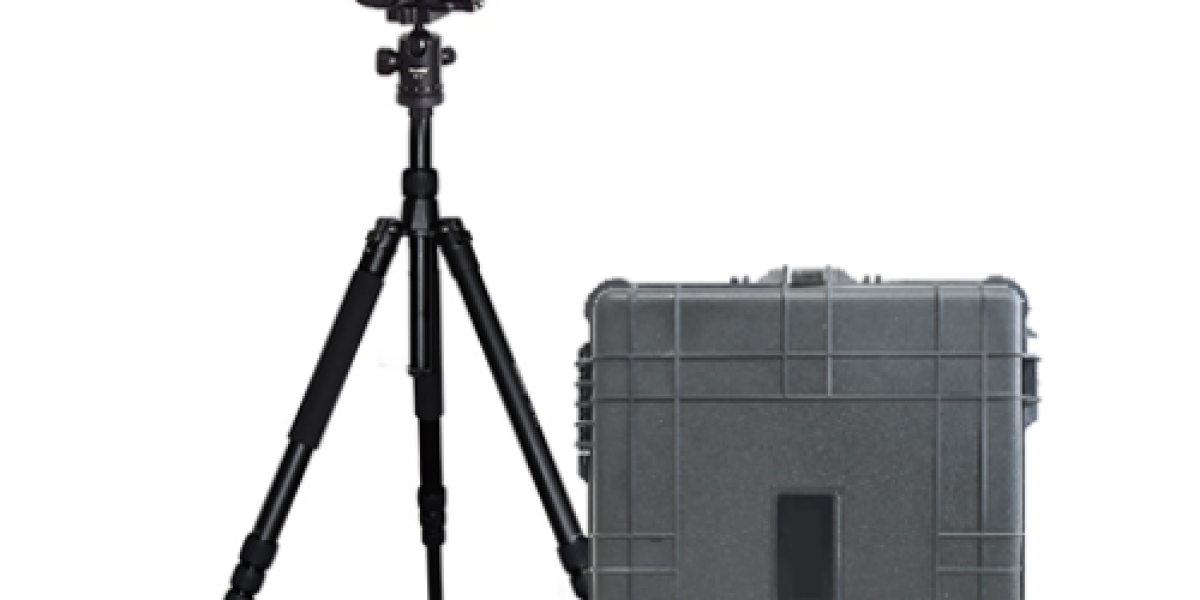
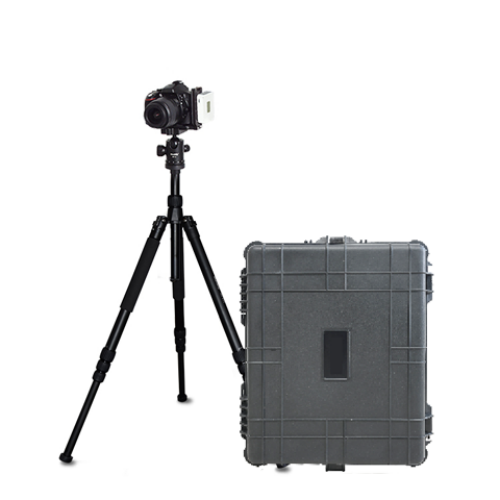
For the needs of field transportation and complex site installation, JW-EL2 adopts a complete set of integrated lightweight design. The infrared imaging host, intelligent excitation power supply, carbon fiber lightweight tripod, and protective cables are all stored in an integrated roller pull rod protective box. The total weight of the entire equipment is only 7.8kg, and the silent roller is matched with a telescopic pull rod, making it easy for a single person to drag and transport. In the face of restricted personnel access scenarios such as narrow roofs for household use, mountain photovoltaics with high and low drops, floating water power stations, and agricultural photovoltaic complementary greenhouses, equipment assembly, wiring and debugging can be completed in 30 seconds without the need for multiple people to cooperate in handling and disassembling components, achieving in-situ non-destructive testing and saving high labor and time costs incurred in component lifting, disassembly, and secondary installation. The outer shell of the whole machine is made of industrial grade shock-absorbing ABS material, and the internal precision imaging module is filled with multiple layers of cushioning and shock-absorbing materials. The core optical components will not be damaged during bumpy mountain roads or field transportation; The protection level reaches IP64, which is dustproof and waterproof. It can work stably in coastal high humidity salt spray, short-term rain, dust and sun exposure environments, and is suitable for various climate photovoltaic fields across the country.
The power supply system is fully adapted to outdoor scenarios without mains electricity, and the excitation power supply is equipped with high-density and safe lithium batteries. With a single full charge, it can continuously complete EL imaging detection of more than 300 components. Remote desert and mountainous photovoltaic fields can be inspected all day without the need for an external power grid; At the same time, it is equipped with a fast charging interface for the city power supply, and the batch quality inspection of the factory warehouse can be continuously operated by plugging in, taking into account both outdoor mobile inspection and indoor finished product sampling scenarios. The equipment is equipped with a dedicated data management system, which can store imaging images and defect analysis reports locally and wirelessly transmit them to mobile devices via Bluetooth. It supports batch export and archiving, long-term tracking of component defect development and changes, and provides quantitative basis for power plant operation and maintenance rectification.
At the industry wide application coverage level, JW-EL2 is suitable for multiple market entities: component manufacturing enterprises use it for full inspection of finished products at the factory to screen internal defective components in advance; The EPC general contractor is used for full inspection of the completed power station to avoid continuous loss of power generation after the defective components are connected to the grid; Operation and maintenance enterprises use it for annual hazard investigation, precise positioning of high-risk faulty components, and early replacement to avoid large-scale power attenuation; Third party testing agencies go out to the site for non-destructive evidence collection and issue compliant EL defect testing reports; Photovoltaic insurance and asset appraisal institutions are used for component failure assessment and quantification of power generation losses caused by defects.
As a domestically developed portable EL testing equipment, Jiangsu Jingwei JW-EL2 breaks through the industry barriers of high imported equipment prices and lagging after-sales service. With four advantages of high-definition imaging, all-weather operation, AI intelligent image judgment, and lightweight portability, it fills the gaps in photovoltaic outdoor non-destructive testing equipment. In the future, Jiangsu Jingwei will continue to optimize infrared imaging and defect recognition algorithms, continuously enrich the matrix of photovoltaic detection instruments for all categories, and empower the high-quality development of the photovoltaic industry with domestically produced high-precision equipment.
Photovoltaic panel testing instrument, photovoltaic power station testing instrument, solar cell testing equipment