
Solar irradiance is a core benchmark parameter for evaluating the power generation performance of photovoltaic modules, calculating the theoretical power generation of power plants, correcting IV test data, and conducting photovoltaic resource assessments. The accuracy of irradiance measurement directly determines the authenticity and effectiveness of photovoltaic detection data. At present, there are generally two types of measurement pain points in the industry: poor accuracy of simple handheld irradiation sensors and large temperature drift errors, which cannot meet the grid connected acceptance measurement standards; Large fixed radiation monitoring equipment is cumbersome to install and cannot be moved, making it impossible to achieve flexible multi-point sampling of photovoltaic systems on roofs, slopes, and mountains. In response to the demand for full field photovoltaic energy measurement, Jiangsu Jingwei Technology has independently developed the JW-F04 portable irradiance meter, which adopts a second level standard photovoltaic irradiance sensing chip and is equipped with intelligent environmental compensation algorithm. It takes into account the three characteristics of high precision, lightweight, and strong outdoor adaptability, providing a standardized portable measurement solution for IV testing calibration, power plant resource survey, component power retest, and meteorological data synchronous acquisition. Portable irradiation system dosimeter
The JW-F04 adopts a split type portable structure design, with the sensing probe separated from the data host. The probe can be fixed to the inclined surface of the photovoltaic module through a bracket, accurately matching the installation angle of the module and synchronously collecting the real irradiation values of the inclined surface. The host is compact in size and can be handheld and stored in a tool kit. The total weight of the entire equipment is only 2.9kg, which is easy to carry by a single person and can be quickly transferred to different arrays of the power station, different slopes of the roof, and different elevations of the mountain to complete multi-point sampling. It is perfectly suitable for mobile work scenarios such as distributed photovoltaic multi-point survey, centralized photovoltaic zone irradiation comparison testing, and photovoltaic new project site selection and energy resource evaluation. The sensing unit of the equipment is strictly calibrated according to the national photovoltaic measurement standards, with a measurement range covering 0-2000W/㎡, fully matching the lighting environment from noon strong light to morning and evening weak light. The comprehensive measurement error is ≤± 2%, and the temperature drift error is compensated by multi-level circuits. The values are stable under extreme temperature differences of -30 ℃ to 70 ℃, and the accuracy meets the measurement acceptance standards of third-party testing institutions. The measurement data can be directly used for power plant grid registration and third-party testing report issuance.
Different from single irradiation measurement devices on the market, JW-F04 integrates multi parameter synchronous acquisition capability. In addition to the core total solar irradiance, it synchronously acquires two key parameters: environmental temperature and component patch temperature. It has a built-in professional STC standard correction model, which can output standardized irradiation temperature composite data in real time. When used with an IV tester, it can synchronize data with one click to complete component power correction, eliminate power measurement deviation caused by on-site environmental changes, and greatly improve the accuracy of photovoltaic performance testing. The probe adopts a double-layer dust-proof and waterproof optical glass structure, combined with an anti condensation coating. It can be used for long-term stable sampling in outdoor rainy days, high humidity coastal areas, and sandy northwest deserts without frequent cleaning and maintenance; The sensing bracket angle can be freely adjusted 360 °, suitable for various installation conditions such as flat roofs, sloping roofs, tracking photovoltaic brackets, and mountain inclined arrays. It can fit the component slope without additional modification accessories and restore the real power generation lighting conditions.
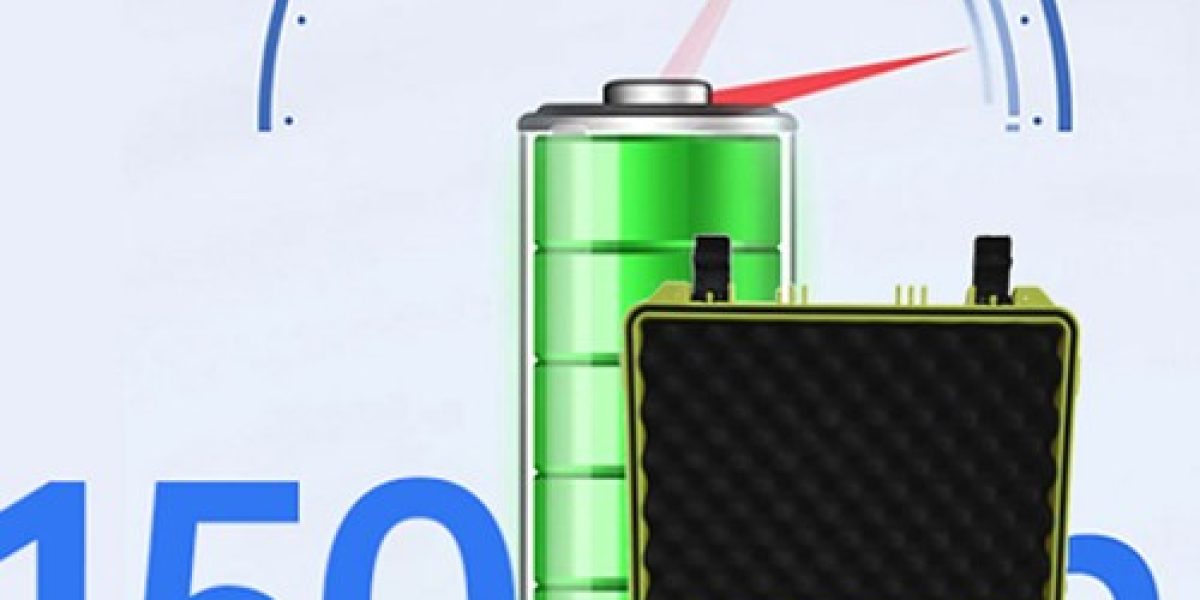
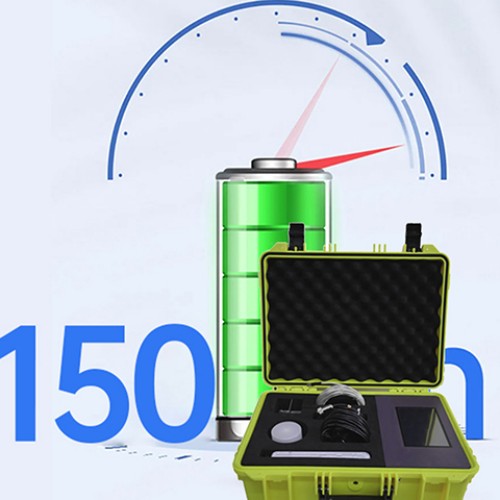
The battery life and intelligent data management are fully adapted for long-term field operations. The JW-F04 is equipped with a large capacity rechargeable lithium battery and a low-power circuit design that can continuously collect data for 180 hours on a single full charge. Small photovoltaic survey projects do not require frequent charging; Equipped with Type-C fast charging and solar assisted energy replenishment interface, it can be paired with small photovoltaic panels for independent power supply in the absence of commercial fields in the wild, achieving 7 × 24-hour uninterrupted fixed-point irradiation monitoring. The host is equipped with a high-definition OLED touch screen, which displays numerical values clearly under strong light. It supports automatic data storage and timed sampling settings, and can customize multiple sampling intervals of 5 seconds, 30 seconds, and 5 minutes. It also stores massive historical data locally and supports one click export of Excel raw data reports, fully recording sampling time, irradiance, environmental temperature, and component temperature. The data cannot be tampered with and has complete measurement traceability properties. The device supports Bluetooth wired dual transmission mode and can seamlessly integrate with Jiangsu Jingwei JW-IV12 portable IV tester to achieve automatic linkage of irradiation data during the detection process, without the need for manual input, simplifying the on-site detection operation process and reducing the probability of manual recording errors.
The overall protection level of the machine reaches IP67, and both the host and probe have dust-proof, waterproof, and anti drop performance. Outdoor work bumps and short-term rain will not cause equipment failure. The equipment has undergone high and low temperature, vibration, and humid heat cycle aging tests before leaving the factory, and its service life is significantly ahead of similar portable devices. Currently, JW-F04 is widely used in photovoltaic power station operation and maintenance inspections, pre project solar energy resource surveys, outdoor power sampling in component factories, new energy experimental teaching in universities, and third-party photovoltaic measurement and testing institutions. Jiangsu Jingwei provides annual free measurement calibration guidance, lifelong firmware upgrades, and 7 × 24-hour remote technical Q&A services for equipment, solving the full process problems of user equipment use and data calibration. Under the trend of refined control and standardized measurement in the photovoltaic industry, the JW-F04 portable irradiance meter fills the gap of high-precision light energy measurement equipment in mobile scenarios with its core advantages of high-precision portable sampling, multi parameter synchronous monitoring, and cross device linkage adaptation. It provides reliable benchmark data support for photovoltaic performance testing and power generation evaluation, and helps standardize and digitize the photovoltaic industry's detection system.
Portable irradiation system thermometer, portable photovoltaic PR testing system, photovoltaic power station detection equipment