


Hidden damages such as internal cracks, virtual soldering, broken grids, PID decay, and battery fragments in photovoltaic modules cannot be identified by the naked eye, multimeter, or conventional IV tester. However, they continue to pose safety hazards such as power rate decay and hot spot ignition, which are the core hazards that restrict the long-term stable operation of photovoltaic power plants and reduce investment returns. Traditional EL electroluminescent detection equipment is mostly large desktop models, fixed in component factory laboratories, and cannot be transported to outdoor power stations for on-site testing; The simple modification of EL equipment has blurred imaging, short battery life, and no standardized analysis function. The safety risks of high-altitude rooftop and mountain power station operations are high, seriously lagging behind the quality inspection and operation and maintenance needs of the entire lifecycle of photovoltaics. To break through the barriers of outdoor non-destructive testing for components, Jiangsu Jingwei Technology has launched its lightweight flagship product JW-EL2 portable EL detector. With high-definition infrared imaging, AI intelligent defect recognition, and integrated design for long battery life, it achieves on-site non-destructive testing of photovoltaic modules in all scenarios, providing a one-stop solution for power plant acceptance, operation and maintenance fault diagnosis, and third-party failure analysis. Photovoltaic module EL tester
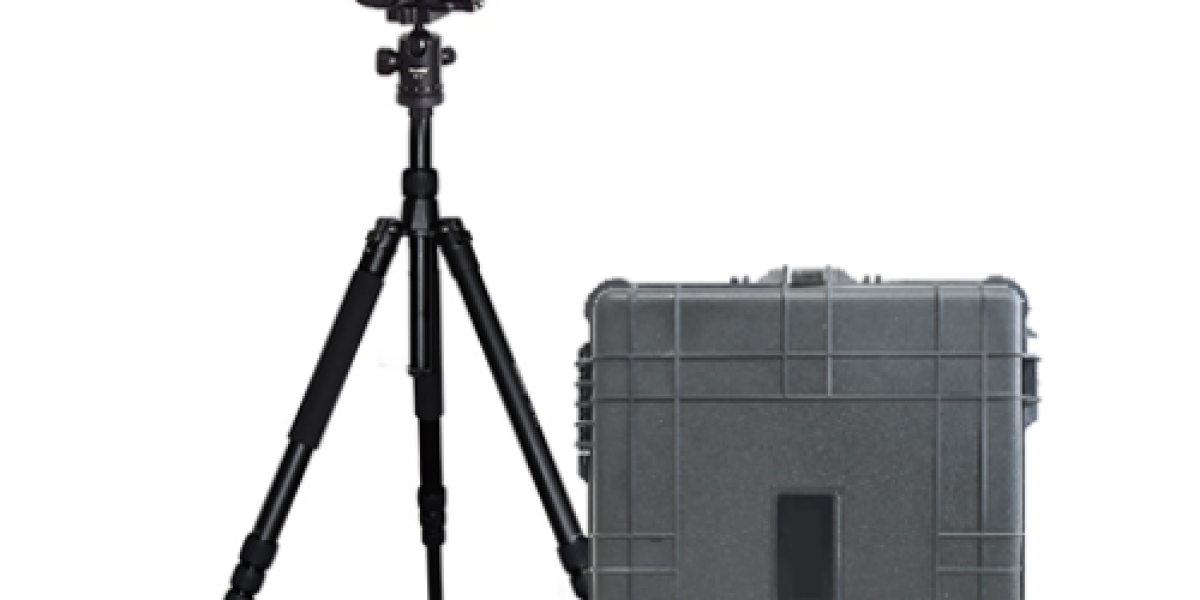
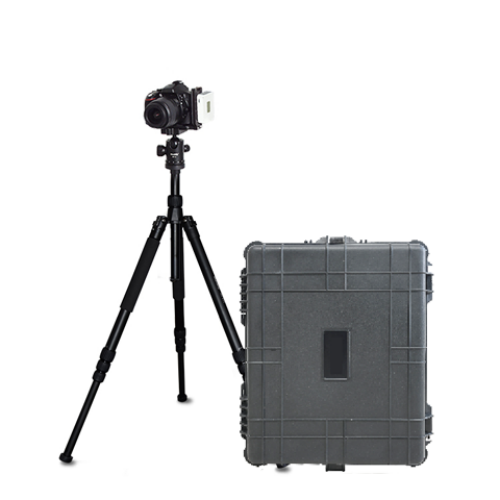
The JW-EL2 machine adopts a modular split storage design, with the infrared imaging host, programmable excitation power supply, carbon fiber tripod, and touch tablet all stored in a double-layer pull rod protective box. The total weight of the entire equipment is less than 8kg, and a single person can complete the entire process of transportation, installation, and testing. Elevators, vehicles, and mountain trails can all be transported smoothly, without the problem of difficult entry of large equipment. The device's power system has achieved technological breakthroughs, with a built-in high-density safe lithium battery that can continuously perform EL imaging detection on 260 photovoltaic modules with a single full charge. The battery life exceeds 9 hours, meeting the requirements for all day field inspections; Remote areas without power grids can be equipped with portable solar charging panels to supplement energy and prevent power outages and shutdowns during operations. The protection level of the entire circuit and imaging lens reaches IP65, which is dustproof, waterproof, and corrosion-resistant. It can work stably in coastal high salt spray, northwest sandstorm, and southern rainy environments, and is suitable for complex outdoor working conditions in various photovoltaic stations across the country.
The imaging system is the core advantage of JW-EL2, equipped with a 24 megapixel high-sensitivity near-infrared industrial camera and a self-developed low distortion optical autofocus lens, which can capture tiny cracks in battery cells at the 0.1mm level. The imaging image has clear levels and high contrast between light and dark. The imaging of intact battery cells is uniform and transparent, with clear dark lines and areas formed at damaged locations such as hidden cracks, virtual welding, broken grids, black cores, sintering defects, PID attenuation, etc. The defect visualization effect is completely comparable to that of million level laboratory fixed EL equipment. Equipped with a 1.8-meter extendable carbon fiber tripod, the multi angle pan tilt can be freely adjusted. It is compatible with high bracket ground arrays, low and flat roofs, and floating photovoltaics on the water surface. There is no need to repeatedly disassemble and adjust the machine position, and there are no blind spots for detection, greatly improving the safety of high-altitude operations. Operation and maintenance personnel do not need to approach components up close, reducing the risk of electric shock and falling.
The intelligent AI analysis module completely changes the traditional inefficient mode of manual image reading. JW-EL2 is equipped with an intelligent analysis engine trained on hundreds of thousands of component defect samples, which automatically completes full image defect recognition upon completion of imaging, automatically annotates defect coordinates, sizes, types, and risk levels, and distinguishes minor process defects from structural damages that may cause safety accidents. The device is equipped with a 10 inch wireless touch tablet, 5G wireless image transmission for real-time synchronized imaging, and supports remote control for shooting and zooming to view details. One person can independently complete the entire set of flaw detection operations, reducing labor costs by half compared to the traditional two person operation mode, and improving the efficiency of single power station detection by 70%. All imaging original images and defect analysis records are stored locally encrypted, supporting one click export of EL detection reports with anti-counterfeiting labels. The reports include component numbers, shooting environments, defect details, and infrared imaging original images, which can be directly used for project completion archiving, insurance loss assessment, and third-party quality certification.
The product is suitable for multiple scenarios in the entire photovoltaic industry chain: factory sampling of photovoltaic modules, completion quality inspection before power station grid connection, annual routine operation and maintenance hidden danger investigation, traceability of power attenuation in old power stations, component damage investigation after hail/typhoon disasters, third-party testing agency failure analysis, and on-site inspection of distributed household photovoltaics. In the past, large EL equipment could only be tested for finished components in the factory laboratory. Once internal damage occurred after installation, it could not be verified on site. JW-EL2 fills the gap in outdoor inspection after installation, avoiding long-term power generation losses and fire safety hazards from the source.
Jiangsu Jingwei always adheres to lightweight, intelligent, and compliant development as the core of portable testing equipment research and development. The JW-EL2 portable EL detector breaks through the limitations of traditional EL equipment sites and brings laboratory level non-destructive testing capabilities to every outdoor photovoltaic module, solving the long-standing pain points of difficult on-site testing, slow interpretation, and lack of evidence in the industry. Next, Jiangsu Jingwei will continue to optimize its AI defect recognition model, expand the functions of string synchronous power on detection and drone linked EL imaging, continuously improve its photovoltaic non-destructive testing product matrix, and safeguard the safe and efficient operation of photovoltaic power plants nationwide with professional and reliable testing equipment, empowering the construction of a refined and standardized operation and maintenance system for the new energy industry.
Photovoltaic module EL tester, photovoltaic panel hidden crack rapid detection instrument, solar cell testing equipment