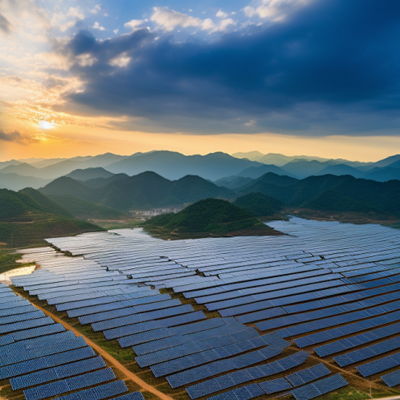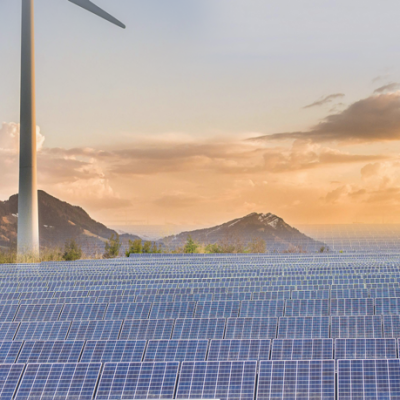


Meteorological environmental parameters are the core data basis for photovoltaic power generation forecasting, power plant performance ratio (PR) accounting, operation and maintenance strategy optimization, and power grid scheduling. Real time continuous monitoring of meteorological elements such as irradiance, temperature and humidity, wind speed and direction, and component temperature is an essential configuration for large-scale photovoltaic power plants and distributed industrial and commercial photovoltaic grid connection acceptance. Traditional universal small weather station sensors have low matching accuracy, lack dedicated slope irradiation monitoring for photovoltaics, and weak protection capabilities, making it difficult to operate stably in outdoor photovoltaic fields for a long time; The wiring and installation of split type scattered monitoring equipment are complex and cumbersome, and data transmission is prone to interruption, which cannot meet the standardized long-term monitoring needs of the photovoltaic industry. Jiangsu Jingwei Technology strictly benchmarks the national standard "GB/T 20513.1-2025 Photovoltaic System Performance Monitoring" and has launched the JW-Q56 integrated photovoltaic dedicated weather station, which integrates four core capabilities: photovoltaic exclusive all element sensors, IoT wireless transmission, industrial grade all-weather protection, and solar self power supply. It provides a one-stop solution for long-term meteorological monitoring needs in photovoltaic fields and provides a continuous and reliable data base for digital and refined operation and maintenance of power stations. Photovoltaic dedicated meteorological station
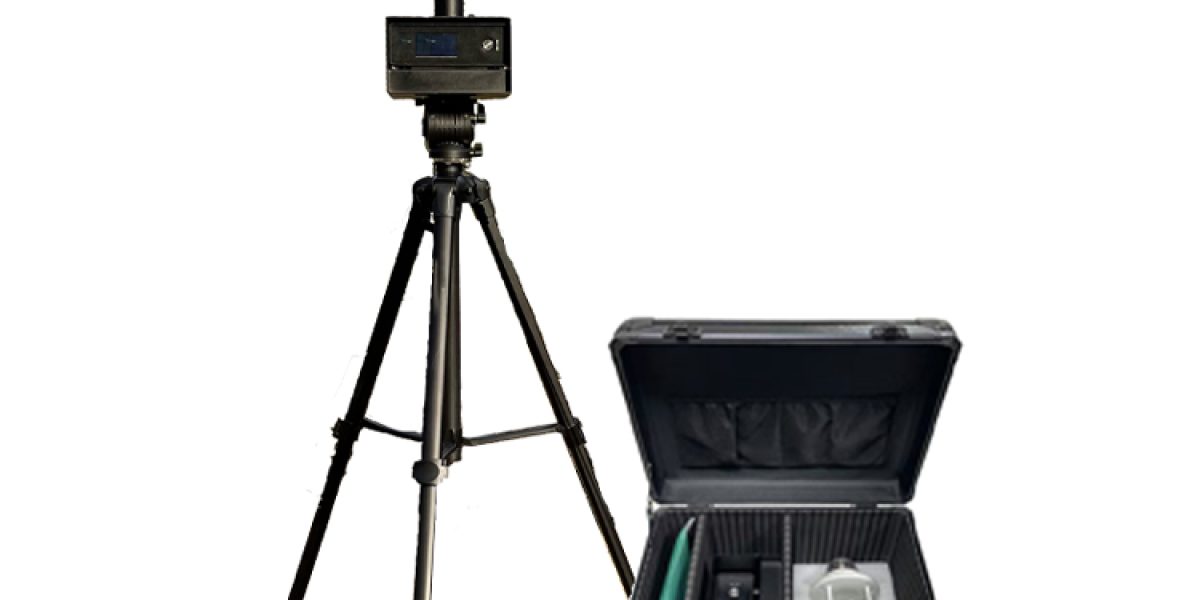
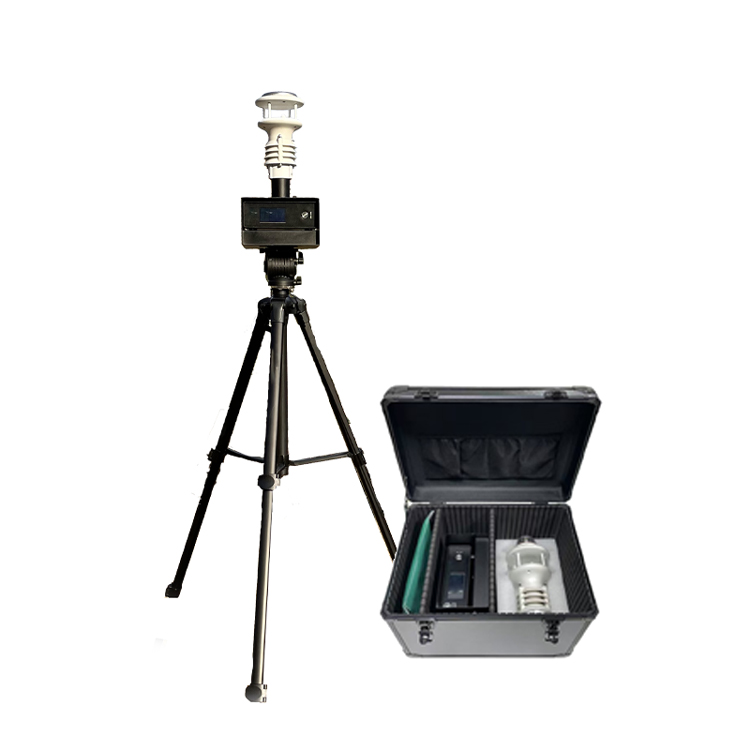
JW-Q56 adopts an integrated modular architecture, and the entire equipment consists of aluminum alloy anti-corrosion poles, integrated sensor modules, intelligent data acquisition boxes, solar self power supply systems, and wireless transmission units. Sensor calibration is completed at the factory, and on-site only requires fixing the poles and simple wiring to put into use. A single person can complete the installation and debugging of the entire equipment in half a day, without the need for professional civil construction. It can be quickly deployed in various scenarios such as roof distributed, ground centralized, and photovoltaic greenhouses. The upright pole adopts hot-dip galvanizing anti-corrosion technology, with a wind resistance level of 12, and is equipped with an integrated lightning rod and internal surge protector, effectively protecting equipment from lightning damage in areas prone to thunderstorms; The collection box has a double-layer heat-insulating sheet metal structure, built-in heat dissipation air duct, and the host will not shut down under high temperature exposure environment. The protection level of the whole machine's sensors and collection host is IP65, which is dustproof, waterproof, and corrosion-resistant. It can be monitored continuously and stably throughout the year in coastal saline alkali areas, northwest sandstorms, and high humidity areas in the south, without frequent manual maintenance. The equipment is equipped with an independent solar power supply system, paired with a large capacity energy storage lithium battery, which can achieve year-round self powered operation without external power supply conditions. Remote photovoltaic fields without grid coverage do not require the laying of power cables, greatly reducing installation and construction costs.
The sensor module covers all core and extended elements of photovoltaic monitoring, with high-precision slope total radiation sensors, environmental temperature and humidity, wind speed and direction, and photovoltaic module patch temperature as standard. It can also be equipped with scattered radiation, rainfall, and atmospheric pressure expansion modules to fully restore the micro meteorological changes in the photovoltaic field. The inclined irradiation sensor adopts AM1.5G photovoltaic specific spectral matching design, with measurement accuracy reaching A-level standard, and the data can be directly used for component power generation efficiency calibration; Component temperature patch sensors are installed in an array, capturing the working temperature of battery cells in real-time and accurately correcting deviations in power generation measurement; The wind speed and direction sensor adopts a three cup wear-resistant structure, with fast response speed and no lag in strong winds and sandstorms. It is used to evaluate extreme weather component loads and optimize equipment cleaning cycles. All sensors have undergone national level metrological calibration and are accompanied by calibration reports. The collected data has compliance traceability and fully meets the requirements of grid connection acceptance and third-party power station performance evaluation archiving. The device is equipped with a multi-channel synchronous acquisition chip, which synchronously samples all meteorological elements at the millisecond level, eliminating the time difference error caused by time-sharing measurement and ensuring the one-to-one correspondence between meteorological and power generation data.
IoT intelligent transmission and cloud platform data management achieve unmanned and fully automatic monitoring. JW-Q56 is equipped with a 4G/5G dual-mode wireless transmission module, which automatically switches signal channels in remote areas with weak signals. The collected data is uploaded in real-time to Jiangsu Jingwei's supporting photovoltaic meteorological cloud platform, supporting offline storage on local SD cards. During network interruptions, the data is fully cached and automatically re transmitted after signal recovery to prevent data loss. The cloud platform has real-time data display, historical curve query, daily/monthly/annual irradiation power generation statistics, extreme weather warning, data export, and multi site unified management functions. Operations personnel can view the meteorological dynamics of the site anytime and anywhere through computers and mobile mini programs, accurately predict power generation based on irradiation and temperature data, plan component cleaning and equipment maintenance cycles based on strong wind and rainfall data, automatically push alarm information in case of extreme high temperature and strong wind weather, and activate the power station safety protection plan in advance. At the same time, the equipment supports the standard Modbus RTU protocol, which can seamlessly integrate with photovoltaic inverters and power station comprehensive monitoring platforms, realizing the linkage analysis of meteorological data and power generation data, and supporting intelligent scheduling of power stations.
Relying on the core advantages of integration, high precision, and maintenance free, Jiangsu Jingwei JW-Q56 Photovoltaic Meteorological Station is adapted to various photovoltaic project scenarios: standardized monitoring of 100MW large-scale ground photovoltaic power stations, distributed photovoltaic grid connection for industrial and commercial roofs, micro meteorological control of photovoltaic agricultural greenhouses, performance monitoring of energy storage photovoltaic comprehensive power stations, long-term meteorological experiments of new energy research bases, statistical evaluation of power generation in photovoltaic parks, etc. Compared to imported photovoltaic meteorological monitoring equipment, JW-Q56 has the advantages of lower overall procurement and operation costs, localized cloud platform services, and annual free remote calibration support. Jiangsu Jingwei's national technical team can provide a complete set of supporting services including on-site installation guidance, annual equipment re inspection, and cloud platform operation and maintenance training. With the acceleration of digital transformation of photovoltaic power plants, fine meteorological monitoring has become an essential requirement in the industry. Jiangsu Jingwei will continue to optimize sensor accuracy, expand intelligent warning functions, improve the layout of the entire series of photovoltaic detection and monitoring products, and use domestically produced integrated meteorological monitoring equipment to help photovoltaic power plants reduce costs and increase efficiency, intelligent control, and continue to support the high-quality development of the domestic clean energy industry, consolidating hardware support for the implementation of the dual carbon strategy.
Photovoltaic dedicated meteorological station