

Solar irradiance is a core fundamental parameter for the design of photovoltaic power generation systems, power generation measurement, component performance calibration, and power plant PR efficiency evaluation. The accuracy of irradiance measurement directly determines the rationality of photovoltaic project plans, the authenticity of detection data, and the scientificity of operation and maintenance strategies. Traditional fixed radiation monitoring equipment can only fix a single point for long-term observation and cannot follow the multi-point flow sampling of the detection team; Ordinary handheld irradiation equipment has large spectral response deviation, no temperature compensation, low measurement accuracy, and outdoor temperature difference and angle deviation are prone to data distortion, making it difficult to meet the standardized measurement requirements of photovoltaic detection. To solve the pain points of multi-point, high-precision, and traceable irradiation measurement industry in photovoltaic field, Jiangsu Jingwei Technology independently developed JW-F04 portable irradiance meter based on secondary standard spectral sensing technology. With four core advantages of high-precision sensing, multi parameter synchronous acquisition, strong environmental adaptation, and portable long endurance, it provides standardized measurement tools for photovoltaic energy resource evaluation, on-site performance calibration, and laboratory outdoor testing. Portable irradiation system dosimeter
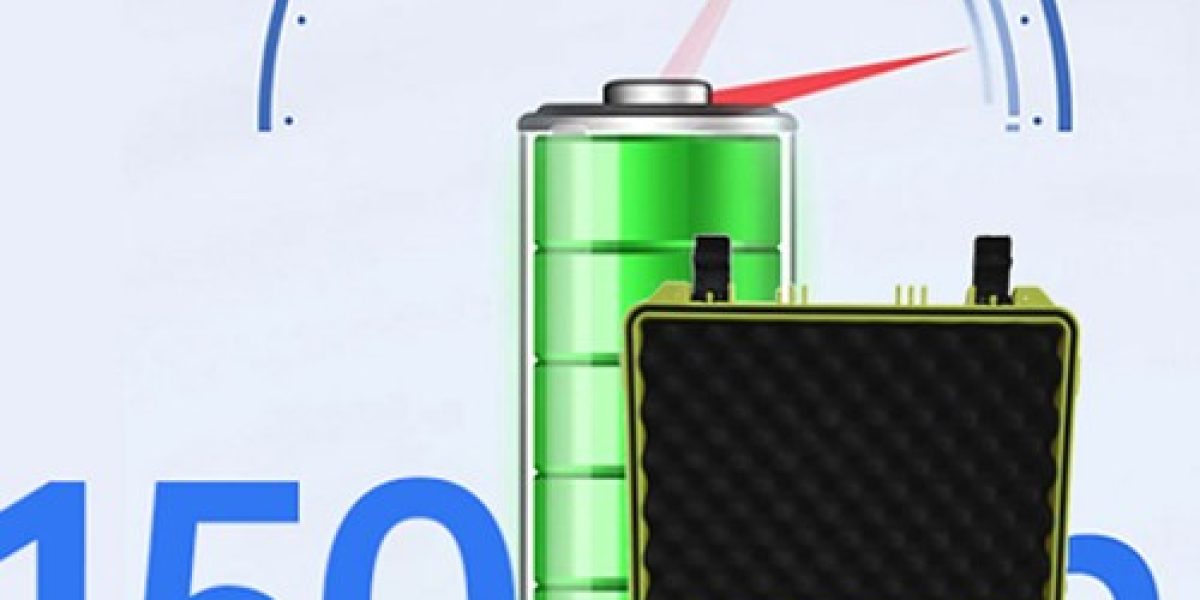
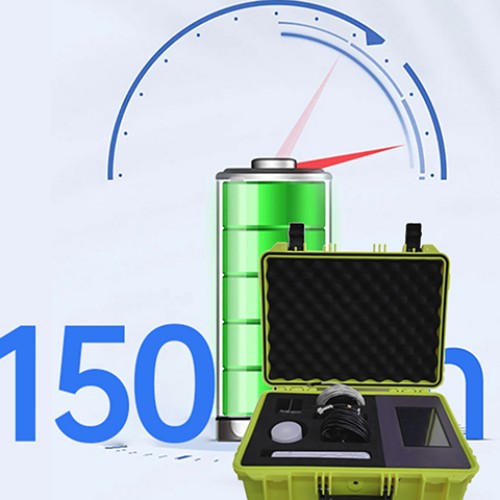
The JW-F04 machine adopts a split type portable structure design, with a compact handheld terminal for easy one handed operation. It is equipped with an independent and separate high-precision irradiation sensor, and the flexible extension connection line can freely adjust the sensor placement angle, perfectly fitting the inclined surface of the photovoltaic module, accurately collecting the effective irradiation amount of the module plane, and solving the measurement problem of limited angle and inability to fit the array of integrated devices. The complete set of equipment is stored in a small portable protective bag, weighing less than 1.2kg, and can be carried by operation and maintenance personnel. It can be used in conjunction with the JW-IV12 portable IV tester to synchronously collect real-time irradiation data during component electrical performance testing, complete standard condition data calibration, and achieve a complete performance testing process with a set of tools. The body adopts a wear-resistant and anti slip industrial shell, and the wide temperature components are adapted to extreme working temperatures of -30 ℃ to 70 ℃. The sensor optical window is equipped with a double-layer quartz dustproof glass cover, which effectively blocks sand and rain erosion. Areas with large temperature differences and heavy sandstorms such as plateaus, coasts, and northwest deserts can be measured stably for a long time, and are not affected by outdoor environmental interference throughout the year. The power supply adopts rechargeable lithium batteries, which can continuously collect data for more than 12 hours on a single full charge. It supports dual modes of timed automatic collection and instantaneous manual collection, and does not require frequent charging for long-term field light energy resource exploration.
The core measurement performance meets the national second level measuring instrument standard, equipped with a photovoltaic specific AM1.5G matched spectral response sensor, specially adapted for crystalline silicon HJT、TOPCon、 The spectral characteristics of mainstream high-efficiency photovoltaic cells such as perovskite significantly reduce measurement errors caused by spectral mismatch. The equipment can synchronously measure three core parameters: total irradiance, scattered irradiance, and ambient temperature. The measurement range covers 0-2000W/㎡, with a resolution of up to 0.1W/㎡. The overall measurement error of the whole machine is ≤± 2%, fully meeting the accuracy requirements of photovoltaic power plant acceptance, third-party measurement and testing, and university scientific research experiments. Built in self-developed multi-dimensional environmental compensation algorithm, automatically eliminates data offset caused by temperature drift, incident angle deviation, and atmospheric scattering interference. The equipment is calibrated by a national metrology laboratory before leaving the factory, and a standard calibration certificate is issued. The measurement data has metrological traceability effect and can be directly used for photovoltaic project acceptance, archiving, and testing report issuance. The sensor is equipped with a horizontal leveling bubble scale, which can quickly calibrate the horizontal angle when placed, further reducing measurement deviation caused by human operation and ensuring high accuracy and uniformity of each set of sampling data.
The humanized intelligent collection and data management functions are fully adapted to the needs of front-line detection work. The host is equipped with a high-definition LCD Chinese display screen, which synchronously displays instantaneous irradiance, ten minute average, daily cumulative irradiance, and environmental temperature curve in real time. The interface data is intuitive and clear, and it is visible outdoors under strong light without reflection. Flexible switching of collection mode: Manual single collection is suitable for component single point sampling and IV testing synchronous sampling; Timed automatic collection supports custom collection intervals of 1 minute, 5 minutes, and 10 minutes, and can continuously record the dynamic change curve of light energy offline for 72 hours. It is suitable for the survey of light energy resources in photovoltaic fields, evaluation of distributed roof sunshine duration, and comparative experiments of component inclination optimization. The device is equipped with a large capacity local storage, which can store 100000 sets of sampling data. It is equipped with a Type-C high-speed data interface and can export raw data in Excel format with one click. It can be directly imported into photovoltaic simulation software and power station operation and maintenance management systems, quickly completing power generation simulation, efficiency comparison, and field light energy distribution analysis, eliminating the tedious process of manual recording and input, and greatly improving the efficiency of light energy survey work. At the same time, the equipment is equipped with multiple protection circuits for overload and static electricity, ensuring safe and stable measurement during outdoor strong light and thunderstorm weather, and preventing damage to the sensing module caused by static electricity and strong light impact.
With balanced accuracy, portability, and adaptability, Jiangsu Jingwei JW-F04 portable irradiance meter widely covers the entire photovoltaic industry chain application scenarios: on-site irradiation calibration for photovoltaic power station grid connection acceptance, centralized/distributed photovoltaic field light energy resource survey, component IV testing supporting synchronous light collection, photovoltaic bracket tilt angle optimization comparative experiment, energy storage photovoltaic system power generation calculation, third-party measurement and testing agency mobile sampling, outdoor teaching and training in new energy professional colleges, photovoltaic agricultural greenhouse sunlight efficiency evaluation, etc. Compared to imported radiation measurement equipment of the same type, JW-F04 has the advantages of localized rapid calibration services, lower procurement costs, and lifetime free firmware upgrades. Jiangsu Jingwei's national service network can quickly provide one-stop services for equipment re inspection, measurement calibration, and operation guidance. With the continuous growth of demand for refined monitoring in the photovoltaic industry, Jiangsu Jingwei will continue to optimize sensing accuracy and portable design, continuously improve the product line of photovoltaic supporting detection instruments, promote the standardization of photovoltaic detection with high-precision domestic measuring equipment, help photovoltaic power plants accurately evaluate, improve quality and efficiency, and safeguard the steady progress of the dual carbon goal.
Portable irradiation system thermometer, portable photovoltaic PR testing system, photovoltaic performance evaluation tool