

Internal hidden defects such as hidden cracks, broken grids, virtual soldering, black cores, and fragments in photovoltaic modules are the core causes of the annual decline in power generation, premature scrapping of modules, and fire safety hazards in power plants. Conventional visual inspection can only identify surface damage and cannot penetrate the encapsulation layer to observe internal damage of the battery cell; Traditional fixed EL detection equipment requires the construction of a darkroom, relies on mains power supply, and has a bulky body, making it only suitable for factory workshops and unable to conduct on-site non-destructive testing in outdoor photovoltaic fields. In response to the industry pain points of bulky equipment, dependence on power supply, blurry imaging, and inability to operate by a single person that have long existed in outdoor component defect detection, Jiangsu Jingwei Technology has deeply cultivated electroluminescent infrared imaging technology and newly created the JW-EL2 portable EL detector, which is lightweight and fully equipped with high-definition infrared imaging, AI intelligent defect recognition, and all-weather long endurance capability. It connects the last mile of outdoor non-destructive testing of photovoltaic components and has become a standard testing equipment for power plant operation and maintenance, third-party quality inspection, and second-hand component screening. Rapid detection instrument for hidden cracks in photovoltaic panels
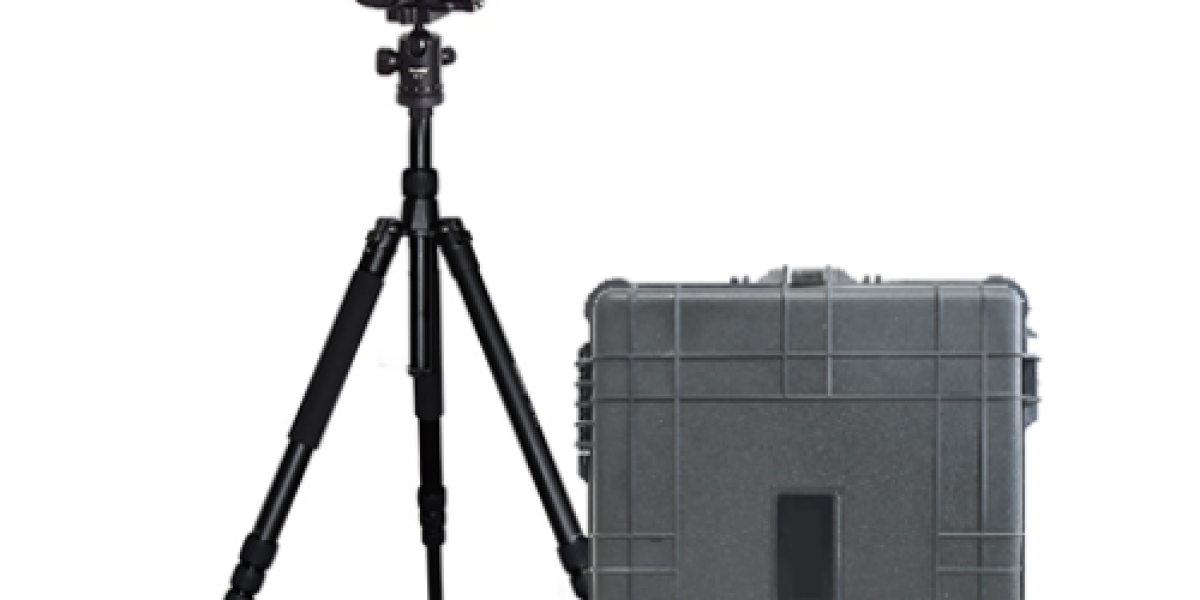
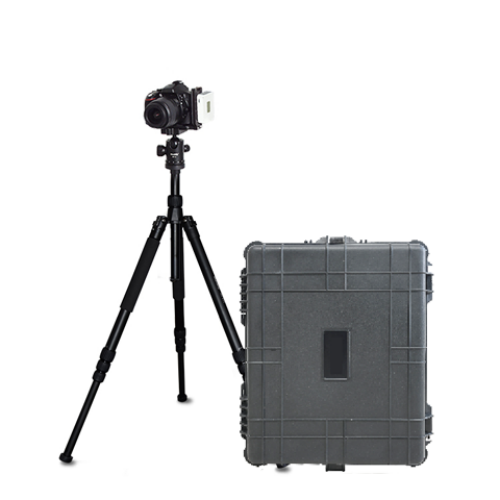
The lightweight integrated design of the entire machine is the most core innovation breakthrough of JW-EL2. The complete set of equipment includes four major components: a high-sensitivity infrared imaging host, a programmable voltage regulator excitation power supply, a 1.8-meter carbon fiber telescopic tripod, and a roller and trolley protective box. The total weight of the whole set is only 8.5kg, and the trolley and trolley box can be dragged and transported by a single person. After storage, the size meets the standards of air transportation, and cross provincial and city flow detection does not require disassembly of the equipment or additional shipping. The incentive power supply is equipped with an explosion-proof and safe lithium battery, completely freeing itself from the constraints of external power supply. With a single full charge, it can continuously complete complete EL imaging of more than 300 components. Photovoltaic fields without grid coverage such as deserts, mountains, and rural roofs can achieve uninterrupted inspection operations throughout the day. All components of the whole machine are made of industrial three proof materials, with a protection level of IP65. It can stably image in dust, light rain, high and low temperature environments, and is not afraid of complex outdoor weather conditions. Defect detection work is carried out stably throughout the year. The supporting carbon fiber tripod is lightweight, with smooth expansion and contraction adjustment, and can be freely raised and lowered in height. It is suitable for multi angle shooting scenes such as high support ground power stations, low roof distributed photovoltaics, photovoltaic greenhouses, and carport photovoltaics, without the need for repeated disassembly and adjustment of the machine position, and has no blind spots for detection.
In terms of imaging performance, the JW-EL2 is equipped with a 24 million level high-sensitivity professional infrared imaging camera, paired with a self-developed anti clutter optical focusing lens, with an imaging resolution of up to 1.0mm/pixel. It can clearly capture micro level internal defects, fully identify 12 types of high incidence defects in industries such as hidden cracks, fragments, broken grids, virtual soldering, black hearts, inefficient battery cells, process pollution, and grid line breakage, and eliminate long-term economic losses caused by missed detection of minor defects. The equipment is equipped with a self-developed strong light filtering optical system, which breaks through the limitation of traditional EL equipment that can only detect dark environments at night. It achieves all-weather detection of strong light during the day, cloudy days, dusk, and night, without the need to set up shading tents or darkrooms. It can be photographed on site, shortening the single site inspection period by more than 70% and significantly reducing the labor and time costs of large-scale power station inspections. The captured image is wirelessly transmitted in real-time to the supporting tablet terminal, and the original image is previewed in real-time. The defect area is automatically highlighted and marked, and the operator can determine the level of component failure on the spot, synchronously record the component number and installation position, and complete the on-site defect grading registration.
The intelligent AI recognition and digital data management system significantly reduces the threshold for manual interpretation. JW-EL2 is equipped with a built-in local offline AI defect recognition algorithm, which can automatically analyze each EL imaging image without the need for networking. It can automatically frame the defect location, label the defect type, and calculate the defect area, reducing the visual fatigue and misjudgment risk caused by prolonged visual inspection. Novice operators can also quickly complete standardized defect grading. The local high-capacity storage of the device can store tens of thousands of high-definition imaging images. Each photo is automatically bound with shooting time, component number, field location, and lighting environment information, forming a complete and traceable detection data archive; Supports Wi Fi wireless and USB wired dual channel data export, paired with Jiangsu Jingwei's exclusive EL analysis software. It can batch archive images, automatically generate defect detection reports, calculate the proportion of defective components in the field, and output rectification lists. The report format complies with domestic photovoltaic acceptance standards and third-party testing agency archiving requirements, and can be directly used for engineering acceptance, insurance claims, and quality accountability. In terms of safety design, the excitation power supply is equipped with multiple overvoltage, overcurrent, and reverse connection protections to prevent damage to components and equipment caused by wiring errors. The entire outdoor high-voltage excitation operation is safe and controllable.
Relying on its comprehensive performance advantages, Jiangsu Jingwei JW-EL2 portable EL detector covers multiple application scenarios throughout the entire industry chain: random inspection of photovoltaic module production enterprises upon entry and exit, annual comprehensive inspection of large ground photovoltaic power stations, acceptance of distributed photovoltaic grid connection on roofs, traceability of old photovoltaic module failures, screening of second-hand photovoltaic module condition, safety testing of energy storage supporting photovoltaic modules, outdoor experiments of new energy research institutions, etc. As a benchmark product for domestic portable EL testing, JW-EL2 has three advantages compared to imported equipment: higher cost-effectiveness, localized after-sales service, and free lifetime software iteration. Jiangsu Jingwei has set up multiple regional technical service stations nationwide, providing on-site equipment calibration, one-on-one practical training, rapid fault response and other supporting services. In the future, Jiangsu Jingwei will continue to upgrade its infrared imaging and AI defect recognition algorithms, further reducing the weight of the entire machine and improving the accuracy of automatic defect recognition. With independent non-destructive testing equipment, it will help the photovoltaic industry strictly control component quality, reduce power generation losses and safety hazards from the source, and empower the high-quality development of the clean energy industry.
Photovoltaic panel hidden crack rapid detection instrument, outdoor photovoltaic power station tester, solar cell testing equipment