

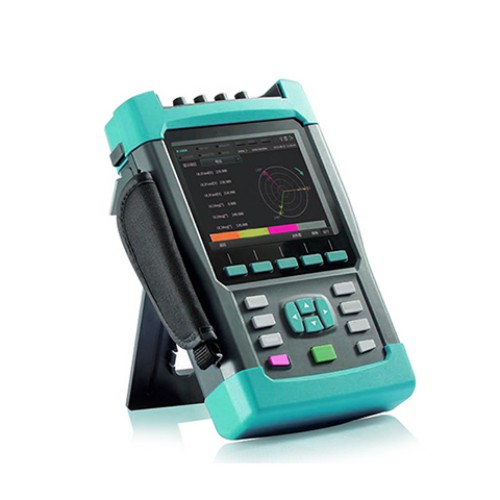
In the context of the continuous deepening of the dual carbon strategy and the refinement and standardization of photovoltaic power plant operation and maintenance, on-site testing of component and string electrical performance has become a core link in controlling power plant revenue, completing project acceptance, and evaluating old power plants. Traditional desktop IV devices are bulky and rely on fixed power supply, making it difficult to follow the operation and maintenance team to scattered photovoltaic fields such as mountains, rooftops, and deserts; Common handheld devices on the market suffer from pain points such as insufficient measurement accuracy, lack of environmental compensation, and weak curve analysis ability, which have long constrained the efficiency and reliability of outdoor testing work. Based on the urgent need for testing the entire photovoltaic industry chain, Jiangsu Jingwei Technology has officially launched the JW-IV12 portable IV tester, relying on years of research and development of photovoltaic detection algorithms and hardware. With a lightweight body, laboratory level measurement accuracy, and full scene intelligent adaptability, it creates an integrated solution for photovoltaic on-site electrical performance testing, providing portable high-precision testing tools for third-party testing institutions, power station operation and maintenance enterprises, and photovoltaic manufacturers. IV power detector
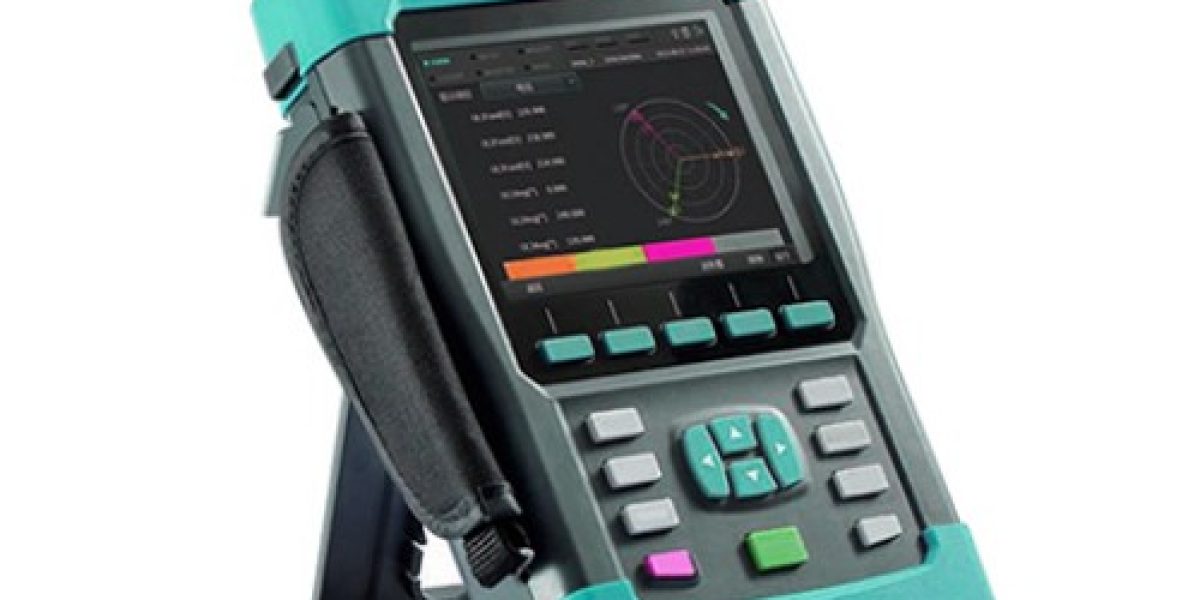
JW-IV12 completely breaks the industry contradiction that traditional devices cannot balance portability and accuracy from the perspective of overall structure. The whole machine adopts an integrated pressure resistant protective chassis design, which integrates high-precision main control module, large capacity lithium battery, four wire method dedicated testing fixture and built-in temperature light sensor. The compact size of the whole set after storage allows for easy transportation by a single person without size restrictions. It can be easily adapted for cross regional inspection, roof distributed photovoltaic on-site inspection, and batch inspection of centralized power stations in the field. The body shell is made of industrial grade three proof material, with an IP64 dustproof and waterproof protection level. It can withstand complex outdoor conditions such as high temperature exposure, sand and dust, and short-term rainfall, and is suitable for year-round regular testing operations of photovoltaic projects in multiple regions across the country. The power supply system is equipped with high safety density lithium batteries, which can continuously complete 8-hour uninterrupted batch testing when fully charged. Remote areas without mains power coverage do not require external power sources, eliminating the need for bulky inverters and cables, greatly simplifying the transportation of materials for operation and maintenance, and reducing on-site labor costs.
In terms of core measurement performance, JW-IV12 benchmarks against the national photovoltaic module testing standards and is equipped with a 24 bit high-speed ADC analog-to-digital conversion chip. It uses Kelvin four wire measurement method to completely eliminate the numerical deviation caused by wiring contact resistance. It can complete a full parameter scan of a single component or the entire string in just 5 seconds, synchronously outputting more than ten key indicators such as short-circuit current, open circuit voltage, peak power, fill factor, conversion efficiency, and automatically generating complete IV and PV characteristic curves. The curve resolution is on par with large laboratory flash testing equipment, and can accurately identify various power generation loss faults such as shadow obstruction, component attenuation, bypass diode damage, and wiring virtual connection. The device is equipped with a self-developed STC standard condition intelligent compensation algorithm, which integrates external high-precision irradiation probes and component temperature sensors. It can collect real-time on-site lighting and battery cell temperature data, automatically calibrate non-standard outdoor testing data to 1000W/㎡, 25 ℃, AM1.5 standard testing environment, and completely solve the industry problem of lack of horizontal comparison value in testing data during morning, evening, cloudy, and cloudy periods. The testing report can be directly used for project completion acceptance, insurance claims, and component quality accountability, and the data has complete compliance effectiveness.
Intelligent operation and data management design are tailored to the usage habits of frontline operation and maintenance personnel. The front is equipped with a high-definition touch display screen, paired with physical function buttons for dual control. The interface is visually arranged in Chinese, allowing beginners to quickly get started without professional training. Support one click automatic scanning, intelligent curve annotation, automatic fault pop-up prompt, built-in large capacity local storage, can save tens of thousands of sets of test curves and parameter data offline; Equipped with USB and wireless Bluetooth dual transmission channels, the data and curve original graph can be exported to a computer or tablet in real time after the detection is completed. It is matched with Jiangsu Jingwei's exclusive PC analysis software, which supports batch data summary, automatic generation of standardized detection reports, and multi batch component performance comparison score analysis, eliminating the tedious process of manual input, drawing, and table making, and improving batch detection efficiency by more than 60%. At the same time, the device is equipped with multiple hardware security protection mechanisms, including automatic power-off protection for overvoltage, overcurrent, and overtemperature, full isolation of high-voltage detection, and prevention of outdoor electric shock and equipment breakdown safety hazards, ensuring the dual safety of operators and equipment.
The current scale of existing power stations in the photovoltaic industry continues to expand, with new distributed and centralized projects blooming everywhere, and the demand for regular performance checks of components continues to rise. The Jiangsu Jingwei JW-IV12 portable IV tester combines the four core advantages of portability, precision, efficiency, and compliance. It is widely used in various scenarios such as factory inspection of photovoltaic modules, grid connection acceptance of power plants, daily operation and maintenance troubleshooting, attenuation evaluation of old photovoltaic systems, on-site testing of overseas photovoltaic projects, and outdoor training in university new energy laboratories. As a domestically developed portable IV testing core equipment, JW-IV12 breaks free from the limitations of high prices and lagging after-sales service of imported equipment. Relying on Jiangsu Jingwei's nationwide technical service network, it provides equipment calibration, operation training, lifelong firmware free upgrades, and 7 × 24-hour technical support one-stop supporting services. In the future, Jiangsu Jingwei will continue to iterate the core algorithms for photovoltaic detection, continuously optimize the portability and intelligence level of equipment, and use independent core detection instruments to support the high-quality and refined development of the photovoltaic industry, providing hardcore technical support for cost reduction and efficiency improvement in the clean energy industry.
IV power detector, current voltage power curve detector, portable IV tester