

The voltage of photovoltaic DC systems generally reaches high voltage levels of 1000V and 1500V. Components, DC cables, combiner boxes, and inverter insulation layers are affected by moisture and aging, construction damage, and water infiltration, which can directly cause a decrease in insulation performance and generate leakage current. This not only continuously reduces power generation, but also poses significant safety hazards such as electric shock and DC fire. According to the IEC61730 photovoltaic safety standard, systematic insulation resistance testing must be carried out for grid connection acceptance and annual operation and maintenance of power stations. However, traditional universal megohmmeters do not have a dedicated high-voltage adaptation program for photovoltaics, lack polarization index analysis, automatic discharge safety protection, and outdoor high-voltage testing poses operational risks. The data cannot meet the evaluation requirements of photovoltaic systems. Jiangsu Jingwei has specifically developed the JW-J25 photovoltaic insulation resistance tester, which is compatible with high-voltage photovoltaic system testing standards. It integrates high-precision measurement, multiple safety protections, intelligent insulation aging analysis, and portable outdoor operations, becoming the core equipment for photovoltaic electrical safety testing. DC withstand voltage, insulation impedance, grounding resistance, leakage current
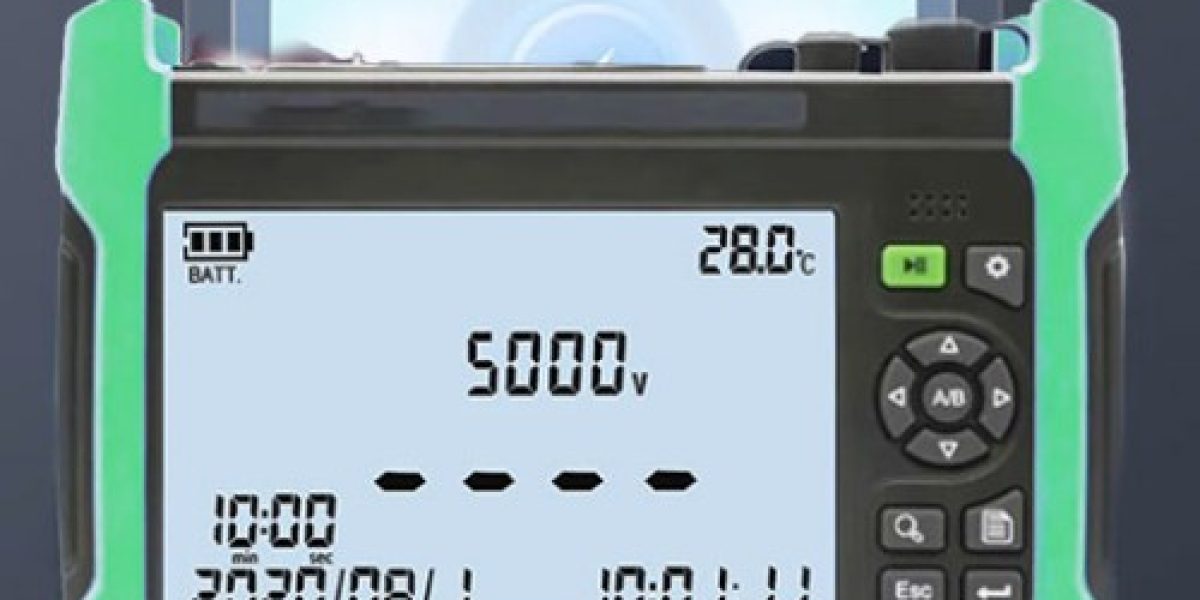
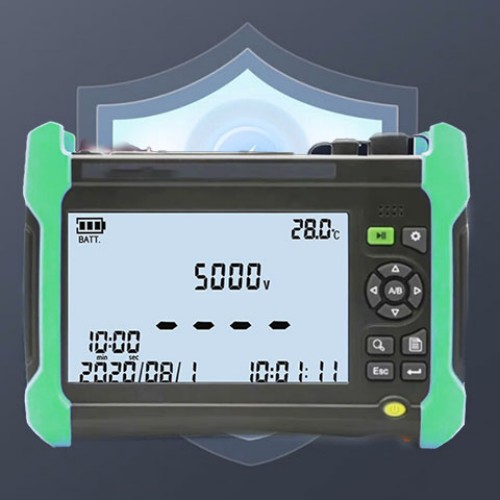
JW-J25 is specially designed for customized testing voltage levels of photovoltaic high-voltage DC systems, covering multiple adjustable outputs of 500V, 1000V, 1500V, and 2500V. It fully matches the current mainstream 1500V high-voltage photovoltaic system testing standards and strictly follows the industry testing standard of "maximum system voltage+1000V". It can complete insulation resistance measurement of photovoltaic modules, whole string arrays, DC cables, combiner boxes, and inverters at all points on the DC side, accurately calculate the insulation resistance between the circuit, metal frame, and grounding terminal, and quickly determine whether the insulation performance meets the standard. The equipment is equipped with a high-precision microcurrent sampling module, with an insulation resistance measurement range covering 0.1M Ω~100000M Ω, and a measurement error controlled within ± 3%. It also supports dual analysis functions of polarization index PI and absorption ratio DAR. Through segmented pressure continuous sampling, it deeply distinguishes between temporary attenuation of insulation surface moisture and irreversible aging of internal materials, predicts the long-term failure risk of cable and component insulation in advance, compensates for the shortcomings of ordinary insulation meters that only read once and cannot evaluate aging trends, and provides graded maintenance basis for operation and maintenance personnel.
The equipment is equipped with a full process intelligent security protection system to avoid high-voltage testing safety accidents from the root. Automatically perform line short circuit and ground fault self-test upon startup, and only start high-voltage output after confirming that the wiring is correct; After the test is completed, it is equipped with an automatic fast discharge module, which eliminates the need for manual waiting for discharge and eliminates the risk of residual high voltage electric shock after the test; The body is equipped with sound and light high-voltage warning lights, which provide continuous sound and light reminders during the high-voltage output stage to prevent personnel from accidentally touching the test terminals; The whole machine is equipped with a strengthened electromagnetic anti-interference circuit, and the measurement data of the power station inverter and combiner box is stable without jumping in a dense electromagnetic environment, without interference from surrounding electrical equipment. The body is equipped with a 7-inch outdoor high brightness touch screen, which displays real-time test voltage, real-time insulation resistance value, polarization index curve, and qualified threshold judgment results. It also has a built-in photovoltaic insulation standard threshold database, which automatically compares the national standard limit values after testing is completed. The three-level judgment conclusion of "qualified/low insulation/severe leakage" is directly marked, without the need for operation and maintenance personnel to manually compare the standards, reducing the professional threshold.
Lightweight outdoor three proof design suitable for various photovoltaic field operations. The whole machine adopts an integrated portable body, which is lightweight and equipped with a hard shock resistant portable toolbox. It has IP65 dustproof and waterproof protection, high and low temperature resistance, and can be stably used in mountainous, water surface, and coastal high humidity salt spray fields; Equipped with extended insulation testing probes and high-voltage protection testing cables, suitable for high-altitude components, underground embedded cables, and narrow terminal operation scenarios of combiner boxes. The outer layer of the cable is thickened with insulation layer to eliminate the risk of leakage during the testing process. The power supply adopts large capacity lithium batteries, which support continuous insulation testing throughout the day when fully charged. Remote photovoltaic power stations without external power sources can also operate independently; Local high-capacity storage can store tens of thousands of test records, automatically recording test points, voltage levels, insulation resistance values, and test times. It supports one click export of PDF safety inspection reports via USB, and the report format complies with the acceptance and archiving standards of power grid companies and EPC enterprises. It fully retains electrical safety inspection traceability data and avoids project safety responsibility disputes.
The product covers the entire process of safety testing in the photovoltaic industry: the module production factory is used for insulation and withstand voltage factory testing of finished products, strictly controlling the insulation quality of products leaving the factory; During the grid connection acceptance stage of EPC engineering projects, complete the overall insulation verification of the entire station array and DC cables, and identify potential construction damage hazards; Quarterly and annual safety inspections for operation and maintenance enterprises, tracking insulation aging trends, and timely replacement of damp and damaged cables and failed components; Electric power safety testing institutions and power grid quality supervision departments are used for special safety spot checks and accident traceability testing of photovoltaic projects. Compared with the general industrial megohmmeter, JW-J25 optimizes all algorithms, gears, and protective structures for photovoltaic systems without the need for additional conversion parameters. A single person can quickly complete a complete set of safety inspections, greatly improving the efficiency and safety of high-voltage insulation testing operations.
Jiangsu Jingwei focuses on the photovoltaic electrical safety testing track, independently developing the JW-J25 complete hardware circuit and intelligent analysis algorithm. The equipment comes with a measurement calibration certificate when it leaves the factory, and provides nationwide on-site technical training and regular calibration services. Enterprises can combine IV testers, EL testers, and meteorological stations to form a complete photovoltaic operation and maintenance testing toolkit, which can meet the comprehensive testing needs of power station performance, defects, safety, and environment in one stop. In the future, Jiangsu Jingwei will continue to upgrade its insulation aging prediction algorithm, expand its wireless cloud data management function, use domestically produced professional insulation testing equipment, standardize the electrical safety testing process of photovoltaic power plants, eliminate the safety hazards of leakage and fire from the source, and ensure the long-term stable, safe and efficient operation of photovoltaic systems.
DC withstand voltage insulation impedance grounding resistance leakage current, AC/DC withstand voltage insulation resistance grounding resistance conduction tester, photovoltaic grounding impedance tester