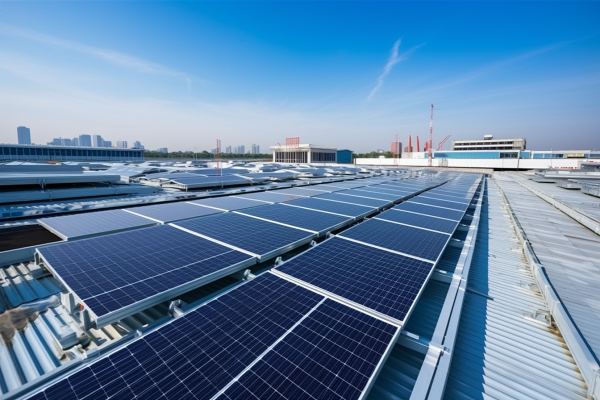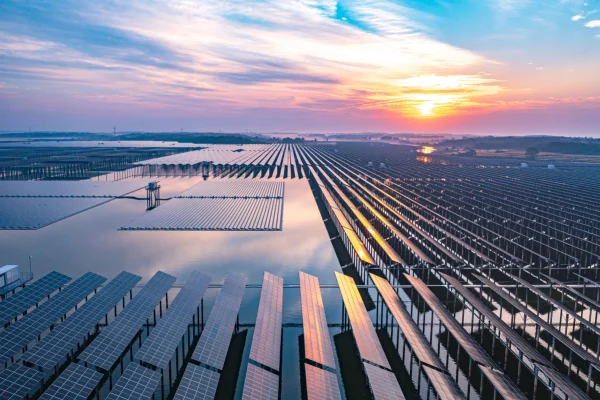

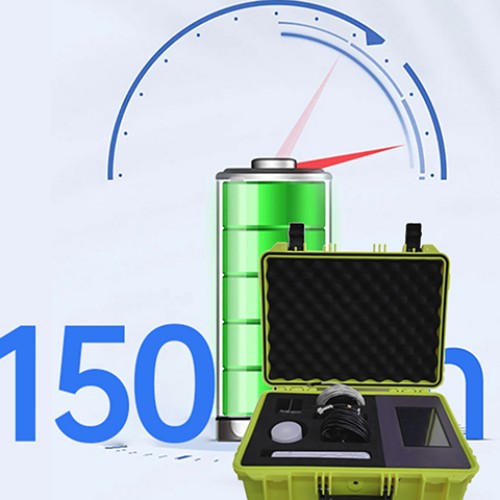
Solar irradiance is the core basic parameter for evaluating the power generation performance of photovoltaic modules, converting standard operating power, and calculating the solar energy resources of power plants. However, ordinary universal illuminance meters on the market have defects such as spectral mismatch, large temperature drift error, single parameter collection, and weak environmental adaptability. The measurement data cannot be used as a basis for photovoltaic acceptance compliance, directly causing distortion in IV curve detection and power generation evaluation data. Jiangsu Jingwei Technology has independently developed the JW-F04 portable irradiance meter to meet the exclusive lighting measurement needs of the photovoltaic industry. It is equipped with a secondary standard photovoltaic dedicated sensing probe, which enables multi parameter synchronous acquisition, wide temperature stable measurement, and multi device linkage calibration. It provides a high-precision and traceable light energy measurement benchmark tool for photovoltaic field testing. Portable irradiation system dosimeter
The JW-F04 sensing unit adopts a second level thermopile sensor that complies with the ISO9060 standard. The spectral response range covers the complete solar spectrum from 270nm to 3000nm, and the spectral curve highly matches the photosensitive band of silicon-based photovoltaic cells. The spectral matching error is controlled within ± 2%, which is different from the general illuminance meter that only adapts to the visible light band, completely solving the measurement deviation caused by spectral mismatch. The device supports synchronous measurement of four major light energy parameters: total irradiance, scattered radiation, reflected radiation, and effective irradiation of component planes. It is equipped with a detachable dedicated shading ring, which can be separately used to collect scattered light data after installation. One device can measure multiple lighting scenarios without the need to purchase multiple sensors, effectively reducing the procurement cost of enterprise equipment. The irradiance measurement range is 0-2000W/㎡, with a resolution of up to 0.1W/㎡, and the overall measurement accuracy is ≤± 2%. It is equipped with multiple intelligent environmental compensation algorithms, which automatically offset temperature drift, lighting angle deviation, and air humidity interference. Under extreme high and low temperatures ranging from -30 ℃ to 70 ℃, cloudy haze, and low angle oblique sunlight in the morning and evening, the measurement data is stable without significant fluctuations, and the detection data has complete metrological traceability. It can be directly used for third-party acceptance, power plant energy efficiency arbitration, and formal report issuance of light energy resource assessment.
The device integrates dual temperature synchronous acquisition channels, with an external high-precision surface mounted temperature probe that can be tightly attached to the back panel of the photovoltaic module. It synchronously collects the surface temperature of the module and the ambient air temperature, records the light and temperature data synchronously, and perfectly adapts to the calibration requirements of IV curve detection and matching working conditions. It can be wirelessly linked with Jiangsu Jingwei JW-IV12 portable IV tester to synchronously collect irradiation, temperature, and electrical performance data. The actual measured power is automatically converted to STC standard working conditions on site, eliminating the need for manual recording and subsequent secondary calculation processes, completely eliminating the time difference error caused by step-by-step measurement, and greatly improving the accuracy and efficiency of on-site detection. The host is equipped with a 3.5-inch backlit high-definition color display screen, which can clearly read all data such as instantaneous irradiance, average irradiance, cumulative solar radiation, real-time temperature, sunshine duration, etc. in both strong light and low light environments at night. The operation interface is designed in simplified Chinese, with one click switching of measurement modes, starting data storage, and exporting complete lighting curve reports, making it easy for beginners to operate quickly.
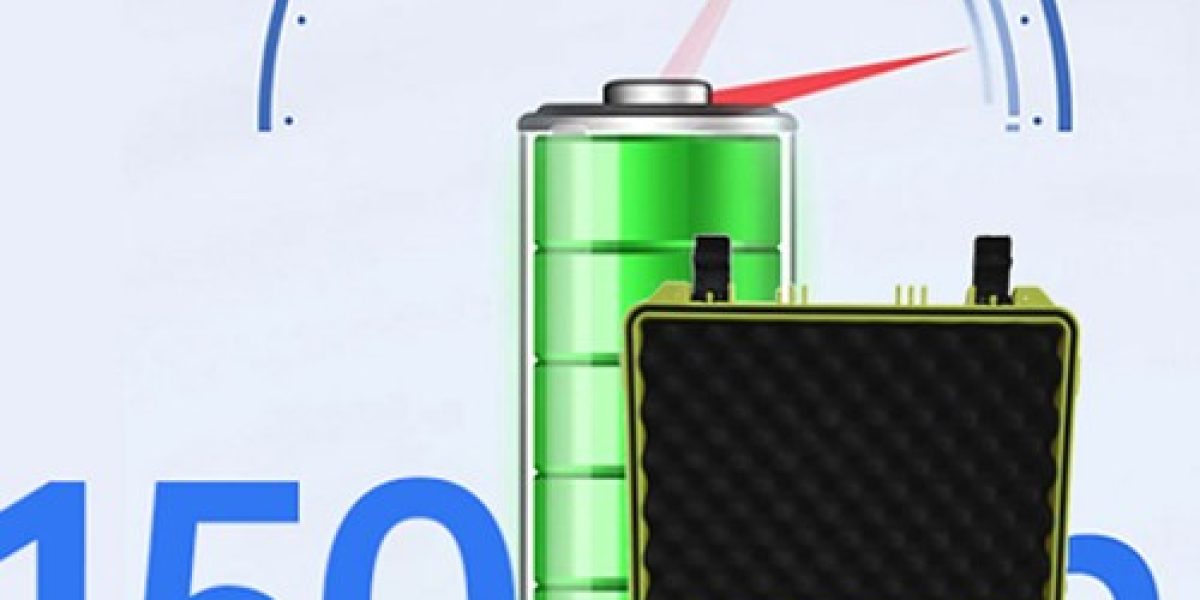
The portable structural design fully adapts to the outdoor multi-point inspection needs. The whole machine adopts a lightweight split structure, with a net weight of only 3.5kg for the main unit. The high-strength aluminum alloy body is sturdy and drop resistant, with IP67 high level dust and water resistance, which can resist rainwater erosion and dust erosion in the field area; The sensor and the host are equipped with a 5-meter extended anti bending connection cable, and the probe can smoothly adhere to the surface of inclined roofs, mountains, and floating photovoltaic modules on water surfaces, without being affected by the obstruction of the host body and measuring values. The entire set of equipment is compact in size after storage and comes with a dedicated portable toolbox. It can be easily transported to any point in the power station by a single person's hand. It can be used for quick sampling at a single point, or fixed on a tripod for long-term fixed-point continuous monitoring. It can be used in both mobile inspection and static light energy monitoring scenarios. The device has built-in large capacity local storage, which can continuously store complete lighting timing data for 30 days. It supports USB local export and wireless Bluetooth data transmission. The data format is compatible with mainstream photovoltaic detection and analysis software, making it convenient for operation and maintenance personnel to conduct long-term comparative analysis of light energy distribution. It provides quantitative data support for optimizing the tilt angle of power plant components, matching installed capacity, and planning cleaning cycles.
In practical industrial applications, JW-F04 is suitable for multiple scenarios in the entire photovoltaic industry chain: in the early survey stage of photovoltaic power plants, it is used for site light energy resource survey, evaluating the average annual peak sunshine duration of the area, and providing data support for project design; In the EPC grid connection acceptance stage, cooperate with the IV tester to complete the standardized verification of string power; Regular maintenance inspections, real-time monitoring of light fluctuations, distinguishing between light attenuation and component power loss; Third party metrology and testing institutions and research laboratories serve as standard benchmark equipment to complete component power calibration and new battery generation efficiency testing. The equipment comes with a formal metrological calibration certificate upon leaving the factory, supporting annual on-site metrological re inspection to ensure long-term compliance and effectiveness of measurement accuracy.
Jiangsu Jingwei has been deeply involved in the field of photovoltaic measurement and sensing for many years. The core sensing chips and compensation algorithms are all independently developed, breaking through the industry barriers of high import radiation meters, long supply cycles, and slow after-sales response. JW-F04 can exchange data with the full range of equipment under the enterprise, including IV testers, EL detectors, and meteorological stations, to build an integrated photovoltaic on-site detection tool matrix. In the future, enterprises will continue to iterate sensing compensation algorithms, upgrade wireless remote monitoring functions, and use domestically produced high-precision light energy metering equipment to promote the standardized and refined development of photovoltaic industry testing, and assist in the precise design and efficient operation and maintenance of clean energy projects.
Portable irradiation system thermometer, portable photovoltaic PR testing system, component temperature