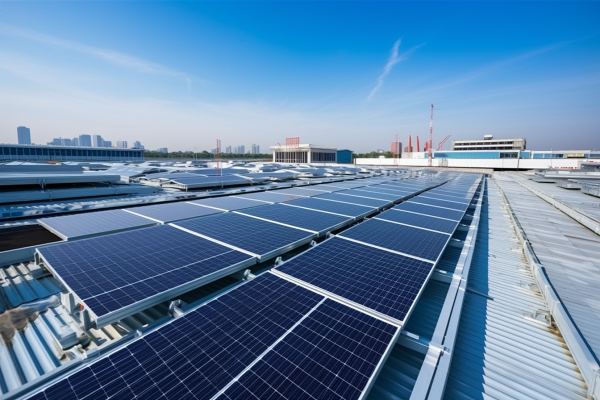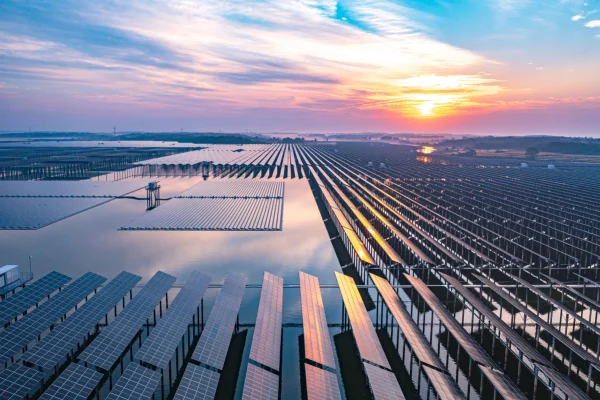


Internal hidden defects such as hidden cracks, broken grids, virtual soldering, black core fragments, and PID decay in photovoltaic modules are the core causes that restrict the power generation of power plants, cause thermal spot safety hazards, and shorten the service life of modules. Traditional EL electroluminescent detection equipment is mainly based on large desktop models, which must be equipped with shading chambers and stable mains power supply, and can only be used in component production workshops; Traditional simple portable EL devices have insufficient sensitivity to light, severe interference from natural light during the day, and can only operate in the dark at night. The detection period is long, and fine cracks and virtual soldering are prone to missed detection. There is a long-term lack of efficient non-destructive testing methods for roof distributed, mountain photovoltaic, and post disaster component damage investigation. To fill the gap in the outdoor all-weather EL inspection market, Jiangsu Jingwei has launched the lightweight JW-EL2 portable EL detector based on years of infrared imaging and AI defect recognition self-developed technology. It achieves high-definition non-destructive imaging in both day and night scenes, single person portable operation, micrometer level defect capture, and fully covers the entire process of component factory quality inspection, arrival unpacking acceptance, regular inspection of existing power stations, and post hail and typhoon damage assessment. It has become an essential internal "endoscope" for photovoltaic operation and maintenance frontline components. Rapid detection instrument for hidden cracks in photovoltaic panels
The JW-EL2 core imaging unit is equipped with a cooling type high-sensitivity InGaAs near-infrared imaging module, paired with a large aperture professional narrowband infrared filter lens, which can accurately filter out sunlight and environmental stray light interference without the need to build a shading shed or cloth. It still generates low-noise, distortion free high-definition EL images in high light environments at noon, completely breaking away from the limitations of traditional equipment that can only work at night, and shortening the single project detection period by more than 60%. The imaging pixel reaches 22 million level, with a 0.1mm micron level detail capture capability, which can clearly identify more than ten types of high-frequency internal damages in the industry, such as subtle hidden cracks, grid line breaks, solder tape virtual connections, black core of battery cells, edge fragments, sintering pollution, PID attenuation, etc. The defect boundaries are clear and distinguishable, and the detection imaging standards fully benchmark the IEC61215 photovoltaic module detection specification. The imaging results can be used as an effective basis for engineering acceptance, asset evaluation, and insurance claims. The equipment is equipped with a programmable voltage regulator and constant current excitation power supply, with adjustable output voltage and current width, compatible with 182 and 210mm single and double glass, double-sided, stacked tile, and thin film photovoltaic modules of all categories. The power supply output is stable without pulse fluctuations, avoiding uneven imaging brightness and small defect detection caused by unstable power supply, and adapting to the testing needs of new and old photovoltaic modules.
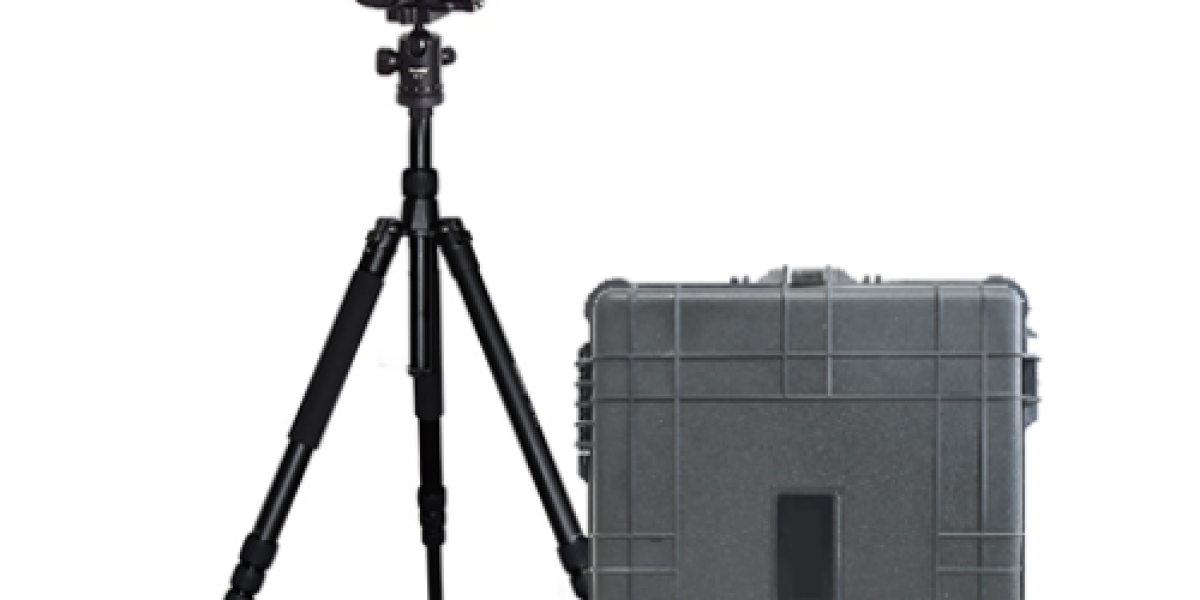
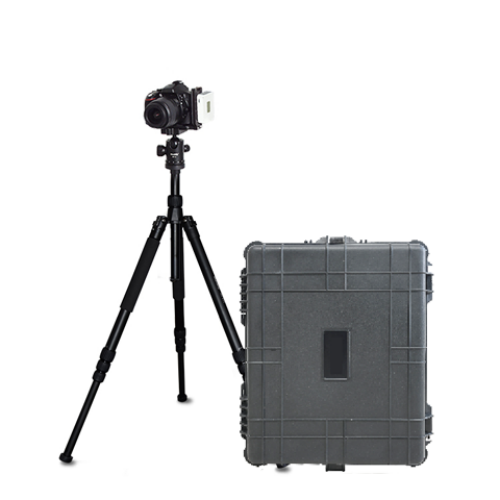
Portable and lightweight design is the core differentiation advantage of JW-EL2. The entire set of equipment includes an infrared imaging host, intelligent excitation power supply, carbon fiber lightweight tripod, and integrated trolley protection box. The total weight of the set is only 7.8kg. The trolley box comes with a silent roller, which can be easily dragged and transported by a single person. It can be quickly set up in confined and complex spaces such as narrow roofs, high and low mountain photovoltaics, floating water photovoltaics, etc., without the need for multiple people to cooperate in handling and assembly. The inspection preparation work can be completed in 30 seconds after opening the box. The outer shell of the whole machine is made of high-strength ABS shock-absorbing material, and the internal components are filled with buffering and shock-absorbing structures. The precise imaging module will not be damaged during transportation on bumpy fields and mountain roads, with a protection level of IP53. It can operate in outdoor environments with slight rain and sand and dust for a short period of time, and is suitable for various outdoor working conditions. The incentive power supply is equipped with a large capacity rechargeable lithium battery, which can support continuous detection of more than 400 components in a single day when fully charged. There is no need for external power supply in remote areas without photovoltaic fields; At the same time, it is equipped with a fast charging interface for mains electricity, and batch testing in the factory and warehouse can be carried out continuously by plugging in, taking into account both field inspection and indoor quality inspection scenarios.
The device is equipped with an AI intelligent defect automatic recognition and analysis engine, relying on a million level photovoltaic defect sample database to train algorithms. After imaging is completed, the device automatically marks the position, size, and type of all defects in the image, without the need for operators to manually read frame by frame, greatly reducing the professional threshold for inspection personnel. Newcomers can independently complete flaw detection operations with simple training. The body is equipped with a 4.3-inch high-definition touch display screen, which synchronously displays imaging images and defect annotations in real time, and supports on-site zooming to view subtle cracks; Built in local high-capacity storage, a single device can store tens of thousands of EL imaging images, paired with defect classification tags, making it easy for later batch review and fault statistics. Data transmission supports two modes: USB wired and wireless Wi Fi. Detection images and defect reports can be exported to computers and tablets with just one click. Equipped with dedicated analysis software, batch image comparison, defect proportion statistics, and component damage grading can be achieved. The operation and maintenance team can quickly screen severely damaged components, develop replacement and repair plans, and avoid safety and profit risks such as hot spot fires and significant power attenuation in advance.
At present, the JW-EL2 portable EL detector has been put into use in hundreds of photovoltaic operation and maintenance enterprises, component manufacturers, and third-party testing institutions in China. A distributed photovoltaic operation and maintenance enterprise in the Yangtze River Delta reported that after introducing JW-EL2, there is no need to organize team inspections late at night. All roof components in the factory can be inspected during the day, and the defect omission rate has been reduced from the original 28% to 0.8%. Hundreds of hidden cracked components are inspected in advance every year to avoid large-scale power generation attenuation; Multiple photovoltaic insurance institutions in various regions use this equipment as a specialized equipment for post disaster damage assessment. Within 24 hours after hail and extreme weather, full field component testing can be completed, accurately distinguishing inherent defects from disaster damage and simplifying the claims process.
Jiangsu Jingwei continues to focus on the innovation of photovoltaic non-destructive testing technology. JW-EL2 breaks through the multiple limitations of traditional EL equipment in terms of site, time, and manpower, and fills a key link in the quality control of the entire lifecycle of photovoltaics with four advantages: all-weather imaging, micrometer level precision testing, lightweight portable operation, and AI intelligent interpretation. In the future, enterprises will continue to optimize infrared imaging algorithms, expand data exchange and linkage with IV testers and irradiance meters, and create a one-stop photovoltaic on-site detection combination solution. With domestically produced high-precision detection equipment, it will help improve the quality and efficiency of the photovoltaic industry and safeguard the stable development of green energy.
Photovoltaic panel hidden crack rapid detection instrument, solar cell testing equipment, outdoor photovoltaic power station tester