
Solar irradiance is a core environmental parameter that determines the power generation of photovoltaic modules, corrects IV detection data, evaluates the theoretical power generation of power plants, and optimizes the design of photovoltaic systems. The accuracy of irradiance measurement directly affects the authenticity and credibility of photovoltaic performance testing, power generation calculation, and power plant efficiency evaluation. Currently, multiple portable irradiation devices in the industry suffer from problems such as poor spectral matching, large temperature drift, weak outdoor protection, inability to synchronously record environmental data, and narrow range adaptation. Measurement errors are large under weak light, strong light, and scattered light conditions, resulting in distortion of photovoltaic field detection data correction and serious deviation in power generation evaluation. In response to the standardization requirements of environmental measurement in the photovoltaic industry, Jiangsu Jingwei Technology has launched the JW-F04 portable irradiance meter, which provides accurate environmental data support for photovoltaic IV testing, power plant energy efficiency analysis, and outdoor component performance calibration with high-precision spectral response, wide range measurement, integrated temperature and humidity synchronous acquisition, and sturdy portable body. Portable irradiation system dosimeter
The JW-F04 core sensing unit adopts imported high-precision silicon photodetectors and strictly optimizes the spectral response curve according to the IEC60904-4 photovoltaic standard. The spectral matching degree is close to the AM1.5 standard sunlight, perfectly fitting the spectral absorption characteristics of crystalline silicon photovoltaic modules. It is different from the measurement deviation caused by the spectral shift of ordinary photosensitive probes. It maintains stable measurement accuracy under various working conditions such as direct strong light, scattered light in the morning and evening, cloudy diffuse light, and weak indoor simulated light sources. The irradiance measurement range covers 0-2000W/㎡, fully covering the outdoor sunlight intensity range in most parts of the world. The measurement resolution reaches 0.1W/㎡, and the overall measurement error of the whole machine is ≤± 2%, meeting the strict data standards of third-party testing institutions and large energy groups. The probe is equipped with a precision temperature compensation circuit, which can real-time offset the temperature drift of the sensor under high temperature exposure. There is no significant drift in the measurement data of the high-temperature field area at noon in summer, ensuring the consistency of inspection data throughout the day.
The device adopts a split type portable structure design, with the irradiation probe separated from the display host and equipped with a 5-meter extended shielded signal line. The probe can be fixed on the same inclined plane of the photovoltaic array, synchronously receiving sunlight with the tested component, and accurately reproducing the irradiation values of the component working surface, avoiding data distortion caused by holding the host and blocking sunlight; The probe bracket is equipped with a horizontal bubble and a tilt dial, which can accurately adjust the installation angle to match the actual working conditions on site. The whole set of equipment is compact in size after storage, with a host weight of only 0.8kg. It is equipped with a wear-resistant portable storage bag, which can be directly placed in the testing toolbox. It can be used with IV and EL testers to synchronize outdoor operations without increasing the carrying burden of operation and maintenance personnel. The protection level of the probe and host reaches IP65, which is dustproof, waterproof and ultraviolet resistant. The sensor element will not be aged and the circuit will not be short circuited in long-term outdoor exposure, rain and snow weather, and it is suitable for various complex photovoltaic field environments in mountainous areas, coastal mudflat, roofs, fishing and light complementary.
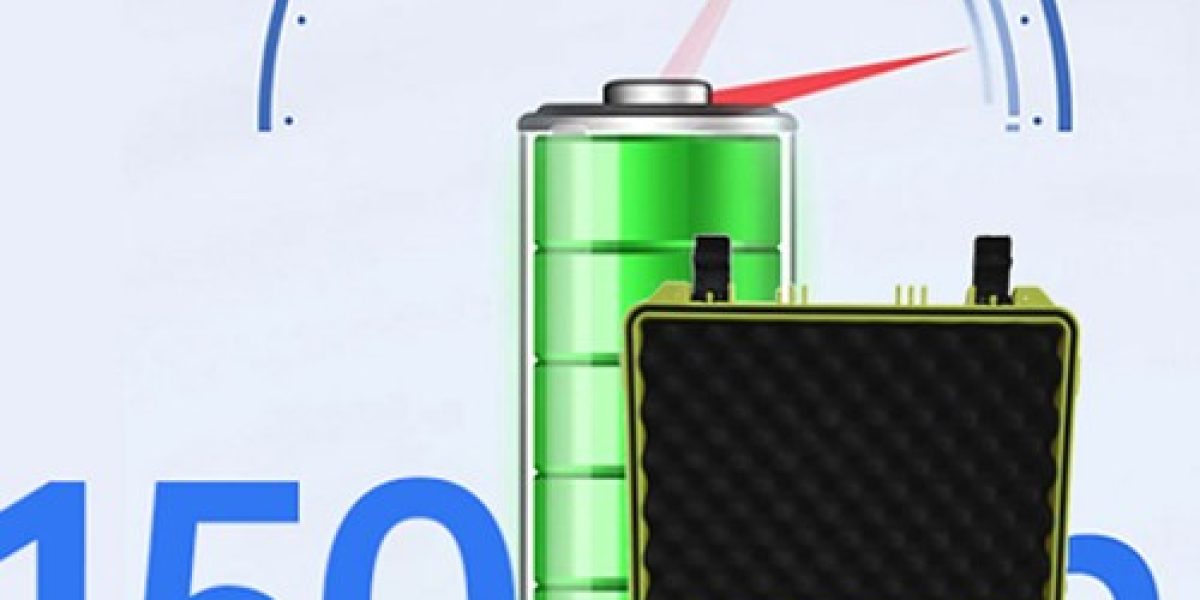
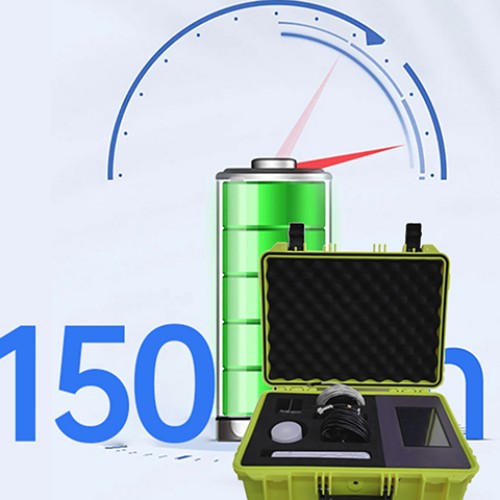
The integrated multi parameter synchronous acquisition is a prominent feature of JW-F04. The device not only measures instantaneous irradiance in real time, but also integrates high-precision temperature and humidity sensing modules to synchronously collect component surface temperature, ambient air temperature and humidity, and record a complete set of environmental parameters including timestamp, tilt angle, irradiation, and temperature with one click, perfectly matching all environmental variables required for STC standard correction in photovoltaic IV testing. The host is equipped with a high-definition LCD display screen, which is visible under strong light and displays real-time instantaneous irradiation, ten minute average irradiation, daily cumulative irradiation amount, and temperature curve; Built in large capacity storage chip, can automatically record environmental data at intervals, store 100000 sets of measurement records, support USB data cable export of complete data reports, can be directly imported into photovoltaic detection and analysis software, automatically complete power standard correction and power generation simulation calculation. The device is equipped with Type-C fast charging lithium batteries, which can continuously collect data for 72 hours without interruption when fully charged. Long term field monitoring does not require frequent charging.
Equipment adaptation for photovoltaic full scene environmental measurement work, with a wide range of applications: on-site IV performance testing of photovoltaic modules, synchronous collection of irradiation temperature to complete standard power conversion, and elimination of environmental interference; Annual power generation evaluation of photovoltaic power plants, continuous monitoring of irradiation resources in the site area, comparison of theoretical and actual power generation differences, and identification of system losses; Preliminary resource survey for distributed photovoltaic projects, collection of roof and site sunlight data, optimization of component layout and installed capacity design; Outdoor comparative experiment in photovoltaic laboratory, recording irradiation changes at different time periods, analyzing component attenuation and double-sided gain effects; Third party photovoltaic quality inspection on-site service, supporting IV and EL equipment to form a complete standardized testing kit; Small meteorological monitoring points for light resources can replace large meteorological stations to complete long-term collection of basic radiation.
The R&D team of Jiangsu Jingwei stated that JW-F04 conducted in-depth research on the actual pain points of frontline photovoltaic testing personnel during the R&D stage, focusing on optimizing the three core modules of spectral matching, temperature drift compensation, and portable compatibility. It is specifically customized for photovoltaic on-site testing scenarios and can seamlessly link data with the JW-IV13 portable IV tester to achieve synchronous recording of environmental parameters and electrical performance parameters, greatly simplifying the on-site testing operation process. Each device undergoes standard light source calibration and comes with an official calibration certificate, meeting the qualification review requirements of the testing agency. The entire machine comes with a 2-year warranty, and the national after-sales team provides one-stop services for calibration, maintenance, and operation guidance.
In the era of refined operation of photovoltaic power plants, accurate data on light resources is the fundamental prerequisite for optimizing power generation revenue and determining equipment performance. The Jiangsu Jingwei JW-F04 portable irradiance meter, with its high-precision sensing, integrated multi parameter acquisition, lightweight and durable body, fills the gap in photovoltaic on-site environmental measurement equipment and forms a complete testing solution with Jingwei's entire range of photovoltaic detection instruments. It provides stable, accurate, and traceable environmental measurement data for photovoltaic module performance testing, power plant energy efficiency management, and light resource surveying, helping to standardize the testing process and upgrade data accuracy in the photovoltaic industry.
Portable irradiation system thermometer, photovoltaic performance evaluation tool, portable photovoltaic PR testing system