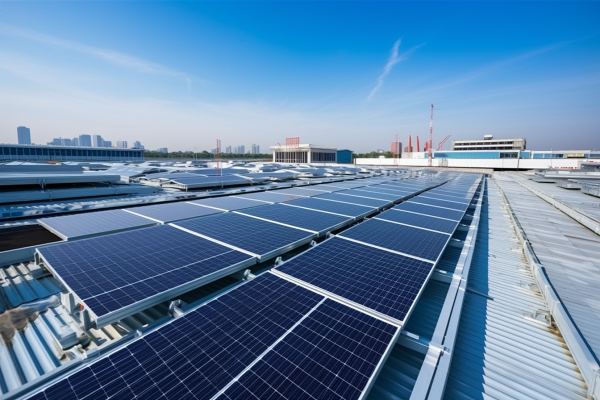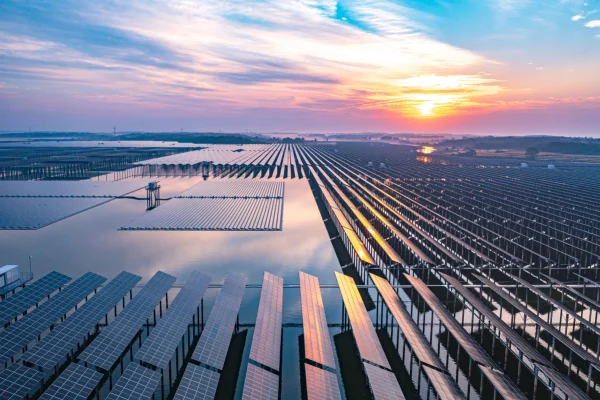


Internal hidden defects such as hidden cracks, virtual welding, broken grids, and PID attenuation in photovoltaic modules are the core causes of long-term power generation attenuation and premature scrapping of modules in power plants. Traditional EL testing equipment is mostly a desktop large-scale device that must be disassembled and transported back to the laboratory for testing. High altitude and roof distributed photovoltaic testing operations are difficult and pose high safety risks. Small and simple EL devices have blurred imaging and are prone to miss detection of small defects. The industry urgently needs a professional testing equipment that balances high-definition imaging and portable mobility. Jiangsu Jingwei Technology focuses on the non-destructive testing track of components and has launched the JW-EL2 portable EL detector, which integrates 24 million level refrigeration infrared imaging technology with lightweight portable structures to achieve direct in-situ detection without disassembling components or brackets. It fills the gap of internal defect detection equipment in photovoltaic sites and provides comprehensive services for component factory quality inspection, power station completion acceptance, regular inspection of existing photovoltaic products, and fault tracing analysis in all scenarios. Photovoltaic power station tester
Imaging accuracy is the core competitive advantage of JW-EL2. The equipment is equipped with a customized refrigeration type infrared photosensitive camera, combined with an adaptive optical focusing system and a professional outdoor shading kit. The imaging resolution can reach 0.1 millimeters, which can clearly capture micro defects such as subtle hidden cracks, edge fragments, fine grid line fractures, solder tape virtual welding, black heart and black edge, PID attenuation spots, etc. of the battery cell. It is compatible with all types of photovoltaic modules including monocrystalline silicon, polycrystalline silicon, thin film, and heterojunction, and is not limited by module size or power specifications. Different from ordinary portable EL devices that are susceptible to outdoor stray light interference, the JW-EL2 is equipped with a foldable flexible light shield, which can still output noise free and clear imaging in high light environments at noon, without waiting for detection during low light periods in the evening, greatly improving the utilization of outdoor inspection time. The device is equipped with an AI intelligent defect recognition engine, which captures images and uploads them in real-time to the supporting tablet terminal. The system automatically completes defect classification, point labeling, severity level classification, and automatically calculates the proportion of defects, replacing manual screening of each picture, greatly reducing the detection and judgment time. Even inexperienced operation and maintenance personnel can quickly complete defect judgment, reducing the threshold for team personnel.
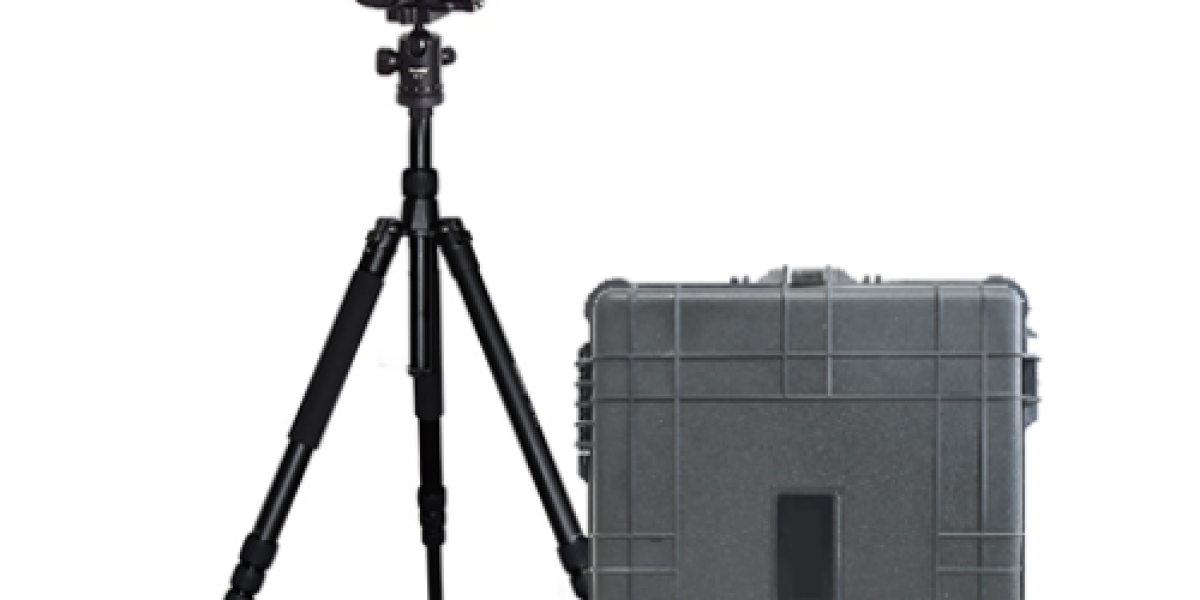
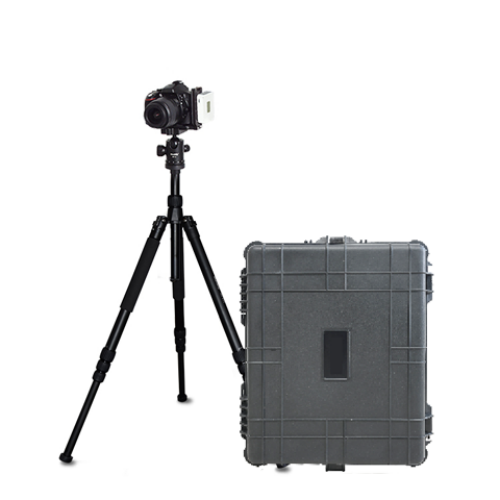
The portable structural design fully adapts to complex photovoltaic operating environments. The complete set of equipment, including a camera, programmable constant current power supply, tripod, and energy storage battery, weighs only 8.5kg and is stored in a pull rod type three proof protective box. A single person can carry it by hand and transport it to restricted operating areas such as roofs, slopes, and water surface fishing light complementarity. The equipment is equipped with a 2-meter carbon fiber adjustable tripod, which is compatible with different height bracket components for multi angle shooting, without the need for high-altitude close range operations, significantly reducing the risk of falling during high-altitude operations. The power supply plan takes into account both mobile inspection and long-term testing needs. The large capacity built-in lithium battery can continuously image and detect for up to 5 hours, and can operate normally in remote and non urban photovoltaic sites. At the same time, it supports continuous power supply from external DC power supply to meet the centralized testing needs of batch components. The device adopts Wi Fi wireless image transmission control, and the operation and maintenance personnel hold tablets to remotely control the shooting and real-time viewing of imaging images, without the need to be close to live components, improving the safety of high-voltage detection operations from the root. The images are stored locally in large capacity and support batch uploading and archiving in the cloud. Defect images can be accompanied by complete traceability information such as power station location, component number, and detection time, making it convenient for later operation and maintenance review and third-party acceptance evidence.
In practical application in the industry, the JW-EL2 portable EL detector has entered hundreds of photovoltaic operation and maintenance enterprises, component manufacturers, and third-party testing laboratories across the country. The person in charge of operation and maintenance of a certain northwest ground photovoltaic power station introduced that in the past, it was necessary to dismantle hundreds of components to check for hidden cracks and transport them back to the laboratory, which resulted in a long construction period and high labor costs. After using JW-EL2, the entire area was inspected directly on the bracket, and the entire power station defect survey could be completed in one week. Nearly a thousand components with hidden faults were accurately located, and the overall power generation efficiency of the power station was improved by 4.2% after timely replacement. The R&D team of Jiangsu Jingwei Technology introduced that JW-EL2 is specially optimized for outdoor photovoltaic field conditions, solving the three major pain points of traditional EL equipment being bulky, interference from stray light, and complex operation. It can be used in conjunction with IV testers, insulation resistance testers, and irradiance meters to build a comprehensive detection system for component performance and internal defects. The next step for enterprises is to continue upgrading their AI recognition algorithms, adding a quantitative evaluation function for defect losses, accurately calculating the power generation loss values corresponding to various defects, providing quantitative data support for power station operation and maintenance rectification, asset preservation, and continuously using self-developed precision testing equipment to help improve the quality and efficiency of the photovoltaic industry.
Photovoltaic power station tester, solar cell testing equipment, outdoor photovoltaic power station tester