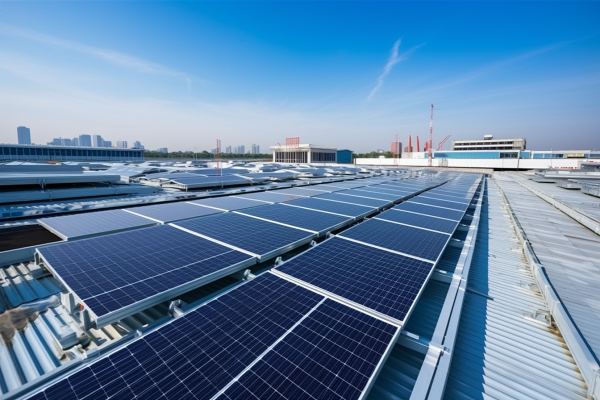


Photovoltaic power plants are exposed to outdoor environments for a long time, which can easily cause damage to component cables, combiner boxes, and inverter insulation layers due to rain, snow, dust, temperature differences, aging, and construction wear. This can lead to safety hazards such as decreased insulation, leakage, and ground short circuits in the power lines. In mild cases, it can cause power generation losses, and in severe cases, it can lead to equipment burning, electric shock, and fire accidents. Insulation performance testing is an indispensable core link for the safe operation and annual acceptance of photovoltaic power plants. The commonly used insulation testers on the market generally have problems such as insufficient range adaptation, poor outdoor protection, complex operation, and lack of photovoltaic specific testing logic, making it difficult to adapt to on-site detection scenarios of photovoltaic high-voltage strings. Based on the urgent need for electrical safety testing in photovoltaic power stations, Jiangsu Jingwei Technology has developed and launched the JW-J25 photovoltaic specific insulation resistance tester, which optimizes the high-voltage range, outdoor protection, and photovoltaic specific testing program. It integrates high-precision measurement, portability and durability, intelligent alarm, and data traceability, comprehensively investigates insulation hazards in photovoltaic systems, and builds a strong electrical safety barrier for distributed and centralized photovoltaic power stations. Leakage current test
Photovoltaic systems are different from ordinary low-voltage electrical equipment. The open circuit voltage of a single string can reach thousands of volts. After the insulation layer of components and cables is aged and damaged, small insulation defects are difficult to detect through ordinary low-voltage insulation equipment. At the same time, outdoor environments with high humidity and dust demand strict requirements for instrument protection levels and high-voltage output stability. Jiangsu Jingwei JW-J25 is specially designed for photovoltaic scenarios to customize voltage levels, covering four standard test voltages of 250V, 500V, 1000V, and 1500V. It is perfectly compatible with household low-voltage components, industrial and commercial high-voltage string, and large-scale ground high-voltage photovoltaic array full specification systems. The highest measured insulation resistance range is 200G Ω, and the high-precision sampling of microcurrents can accurately capture megaohm level small insulation leaks, effectively identifying hidden safety defects such as cable skin breakage, component frame leakage, combiner box moisture, connector aging, etc. It complies with GB/T and IEC photovoltaic electrical safety testing specifications, and the testing report has engineering acceptance compliance.
The core circuit of the equipment adopts a high-voltage voltage stabilization isolation module, and the output voltage during the testing process is stable without fluctuations. It is equipped with an anti impact protection circuit, which effectively resists the residual reverse voltage impact of the photovoltaic string, avoids the breakdown and damage of internal components of the instrument, and greatly extends the service life of the equipment. Considering the demand for outdoor high-altitude operations, JW-J25 adopts a lightweight whole machine design, with a host weight of only 1.9kg. It is equipped with a wear-resistant portable protective box and an insulation test probe kit. The complete set of accessories is compact in storage, and operation and maintenance personnel can carry it alone to complete multi-point insulation testing of roofs and mountain power stations, without the need for multiple people to transport heavy equipment. The body shell is made of thickened impact resistant material, with an IP65 waterproof and dustproof protection level. It can work stably in short-term outdoor operations in rainy and snowy weather, high salt spray along the sea, and harsh sand and dust fields in the north. The interface is equipped with waterproof and dustproof sealing plugs, which can be blocked when idle to prevent water vapor and dust from entering the circuit and causing faults.
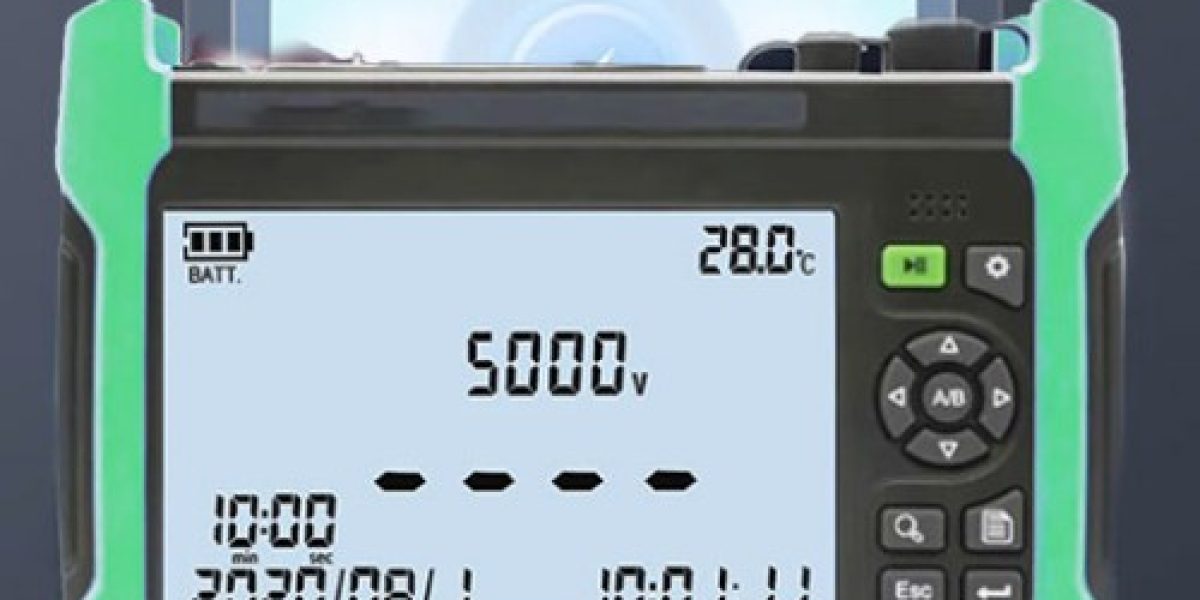
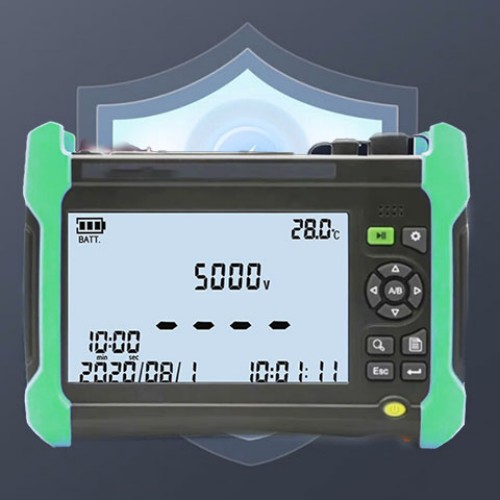
Simplify complex testing processes at the operational level, reduce operational risks and learning costs for frontline personnel. The JW-J25 is equipped with a large-sized backlit LCD display screen, with clear and eye-catching numbers. It can quickly read three key parameters: insulation resistance, absorption ratio, and polarization index in both strong and dim environments. It is fully labeled with Chinese buttons and has a photovoltaic dedicated one click detection program built into the body. There is no need to manually set complex parameters. Switching voltage levels allows for direct component to ground, string to ground, and combiner box insulation testing. The instrument is equipped with a real-time leakage warning system. If the insulation resistance value is lower than the safety threshold during the detection process, the sound and light synchronous alarm will be triggered, and the operation and maintenance personnel will be notified of the fault location in the first time to avoid missing high-risk leakage hazards; At the same time, it is equipped with a high-voltage output safety lock function, which automatically releases residual voltage after testing is completed, eliminating the risk of electric shock caused by operators touching the probe and ensuring the safety of field personnel in all aspects.
Intelligent data management meets the needs of power station operation and maintenance archives retention. The equipment is equipped with large capacity local storage, which can store 5000 complete insulation test records. Each record is automatically labeled with test voltage, insulation resistance, absorption ratio, detection time, and point number. It supports one click export of Excel format data reports from a USB flash drive, making it convenient for operation and maintenance units to archive, conduct annual safety assessments, and third-party safety inspections. The instrument is equipped with automatic calculation algorithms for absorption ratio and polarization index, which do not require manual conversion. With one click, it can obtain the core indicators for insulation aging judgment, quickly distinguish between equipment slight moisture and irreversible damage to the insulation layer, assist operation and maintenance personnel in determining the severity of hidden dangers, and formulate rectification plans. The equipment is equipped with an extended high-voltage resistant insulation test line, which is suitable for high-altitude remote detection. The probe head is equipped with an insulation protective sleeve to reduce the risk of electric shock during high-voltage operation. The whole set of accessories is wear-resistant and anti-aging, which is suitable for long-term high-frequency outdoor operations.
Application scenarios cover the entire lifecycle safety testing of photovoltaics: during the project completion phase, complete the insulation acceptance of the entire system, and investigate insulation damage caused by construction cable wear and installation collisions; Daily quarterly and annual maintenance inspections, regular monitoring of insulation resistance changes, prediction of cable and component aging trends, and early elimination of fire and leakage risks; Post disaster maintenance, rapid detection of insulation performance after rain, snow, hail, and typhoons, to determine whether the equipment meets the grid connection conditions; Safety assessment of old stock photovoltaic power plants, determining whether the system insulation meets the standards, and evaluating the necessity of equipment replacement and renovation; At the same time, it is suitable for insulation quality inspection of inverter and combiner box production enterprises, and on-site sampling inspection by third-party electrical safety testing institutions.
Since its launch on the market, JW-J25 has gained bulk procurement from multiple photovoltaic operation and maintenance companies and power testing units nationwide due to its photovoltaic specific range, high safety protection, and portability and ease of operation. With extensive customer feedback, this equipment can quickly locate small insulation defects that are difficult to detect during routine inspections, greatly reducing the probability of power plant leakage and fire safety accidents. The Jiangsu Jingwei technical team stated that JW-J25, along with JW-IV13, JW-EL5, JW-F04, and JW-Q56, constitutes a complete set of testing equipment for photovoltaic power plants, achieving an integrated testing solution for power generation performance, internal defects, lighting environment, and electrical safety in all dimensions. The company continues to deepen its cultivation of photovoltaic safety testing technology, providing a three-year warranty for the entire machine and nationwide on-site after-sales calibration services. In the future, it will upgrade its wireless data transmission and cloud based hazard warning functions, and use professional testing instruments to safeguard the safe and stable operation of the photovoltaic industry, and help promote the healthy and sustainable development of the new energy industry.
Leakage current test, AC/DC withstand voltage insulation grounding tester, AC/DC withstand voltage insulation resistance grounding resistance conductivity tester