


As the core power generation unit of photovoltaic power plants, photovoltaic modules have hidden faults such as internal cracks, broken grids, fragments, virtual soldering, and sintering defects, which are the key causes of power attenuation, reduced power generation efficiency, and shortened service life of the modules. This type of fault cannot be recognized by the naked eye, and traditional detection methods are difficult to accurately locate, making it a challenge for photovoltaic quality control and operation. Jiangsu Jingwei Technology Co., Ltd. keeps up with industry technology trends and innovatively develops the JW-EL2 portable EL detector. Based on the principle of electroluminescence (EL) imaging, it achieves rapid, accurate, and visual detection of internal defects in photovoltaic modules, providing core technical support for photovoltaic module production quality inspection, power station operation and maintenance, and quality acceptance. Photovoltaic power station tester
Electroluminescence detection technology is currently the mainstream technology for detecting internal defects in photovoltaic modules. By applying a forward bias current to the photovoltaic module, the solar cells are excited to emit infrared light, which is then captured and imaged by a high-sensitivity infrared camera to clearly present the microstructure defects inside the module. It is an important means of non-destructive testing. Traditional EL detectors on the market are mostly large desktop devices with large volume, inconvenient transportation, and dependence on mains power. They are only suitable for fixed scenarios in laboratories or production lines and cannot meet the on-site testing needs of outdoor power stations; Some portable products have problems such as low imaging clarity, weak defect recognition ability, and poor environmental adaptability. The R&D team of Jingwei Technology has overcome technical bottlenecks by integrating high-sensitivity imaging technology, intelligent image processing technology, and lightweight design concepts to create the JW-EL2 portable EL detector, which combines portability, high precision, and high stability.
In terms of detection performance, the JW-EL2 portable EL detector is equipped with a 16 megapixel high-sensitivity near-infrared camera and a professional optical lens, which can capture infrared light with a wavelength of 900-1100nm. It can identify various internal faults such as subtle cracks, broken grids, fragments, black hearts, virtual soldering, and process defects with a width of ≥ 50 μ m. The imaging is clear and the details are complete, far exceeding the recognition limit of the naked eye and ordinary detection equipment. The device adopts intelligent focusing and automatic exposure technology, which does not require complex manual debugging. It can quickly image when turned on, and the detection time of a single component is ≤ 2 minutes, greatly improving detection efficiency. At the same time, the instrument is equipped with intelligent image processing algorithms that can automatically filter out environmental light interference (such as lighting, moonlight, and strong light reflections). It can obtain clear and stable EL images under different lighting conditions such as day, night, and cloudy days, and is suitable for various outdoor detection scenarios.
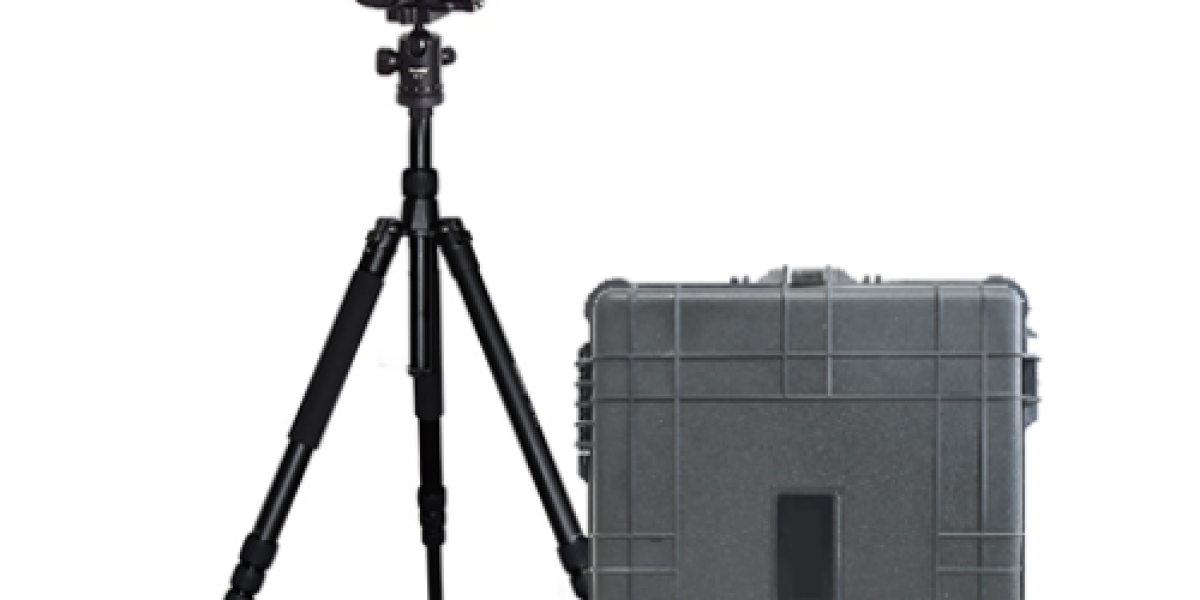
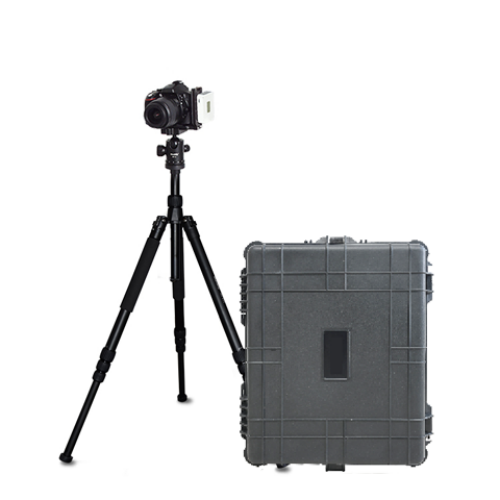
Portable and user-friendly design, suitable for flexible applications in multiple scenarios. The JW-EL2 portable EL detector adopts a compact portable box structure, with a total weight of only about 4.8kg, which can be easily carried and operated by one person without the need for additional auxiliary personnel. The equipment is equipped with a foldable detection bracket, which can be flexibly adjusted in height and angle, and is suitable for detecting photovoltaic modules in different installation positions such as ground, roof, and mountain; No need to build a dedicated darkroom, with portable blackout cloth, you can quickly set up a simple detection environment outdoors, breaking the limitations of the venue. Equipped with a high-performance lithium battery, it can continuously detect 200-300 photovoltaic panels on a single charge, eliminating dependence on mains power and meeting the testing needs of power stations in remote mountainous areas and areas without mains power; Supports fast charging, can be fully charged in 2 hours, suitable for high-intensity work requirements.
Intelligent data management helps digitize quality control. The JW-EL2 portable EL detector is equipped with a large capacity storage, which can store more than 5000 sets of EL image data. It supports real-time viewing, zooming in on details, and comparative analysis, making it convenient for operation and maintenance personnel to quickly determine the type and severity of faults. The device supports WiFi wireless transmission and can upload EL images and detection data in real-time to a mobile app or computer, enabling remote viewing, sharing, and archiving; Equipped with professional analysis software, it can quantitatively calculate the defect area, quantity, and location, automatically generate detection reports, support custom report templates, meet the reporting needs of different scenarios such as internal quality inspection, customer acceptance, and third-party certification, and promote the standardization and digitization of photovoltaic module quality control.
With excellent detection performance and flexible application advantages, the JW-EL2 portable EL detector has been widely used in photovoltaic module production enterprises for factory quality inspection, production line process control, research and development testing, as well as photovoltaic power plant construction acceptance, daily operation and maintenance, fault diagnosis, component replacement testing and other scenarios. From distributed rooftop power stations to large-scale ground power stations, from plains to complex environments such as mountains and deserts, this equipment can stably perform, helping enterprises to timely detect and eliminate unqualified components, reduce economic losses caused by the operation of faulty components, and improve the overall power generation efficiency and operational stability of photovoltaic power stations.
Jiangsu Jingwei Technology always adheres to the concept of "technological innovation, quality-oriented, and service-oriented", and deeply cultivates the research and production of photovoltaic testing equipment. The launch of JW-EL2 portable EL detector fills the market gap of outdoor high-precision EL detection equipment and provides reliable guarantee for the quality control of the entire lifecycle of the photovoltaic industry. In the future, Jingwei Technology will continue to increase research and development investment, continuously optimize product performance, enhance product competitiveness, and contribute to the high-quality and sustainable development of the photovoltaic industry with better products and services, contributing to the popularization of clean energy.
Photovoltaic power station tester, outdoor photovoltaic power station tester, solar cell testing equipment