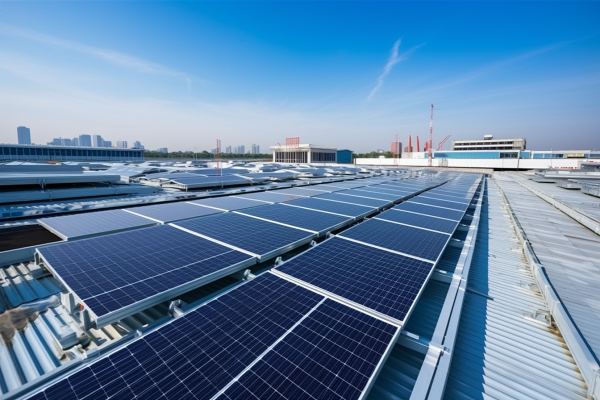


During the entire process of production packaging, long-distance transportation, lifting and installation of photovoltaic modules, hidden defects such as hidden cracks, fragments, broken grids, virtual soldering, PID attenuation, etc. that are not visible to the naked eye are prone to occur. These defects may not have obvious appearance changes in the initial stage, but they will gradually increase power loss and shorten the service life of the modules, which is an important cause of the unjustified decline in power generation of photovoltaic power plants. Traditional large-scale fixed EL detection equipment is limited to indoor use in factories and cannot be used for on-site inspections on rooftops or mountain power stations. Jiangsu Jingwei has developed the JW-EL2 portable EL detector, which relies on high-definition infrared imaging and lightweight structural design to achieve non-destructive EL defect detection in all scenarios, breaking down the quality inspection barriers of the entire chain from component manufacturing to power station operation and maintenance. Photovoltaic panel testing instrument
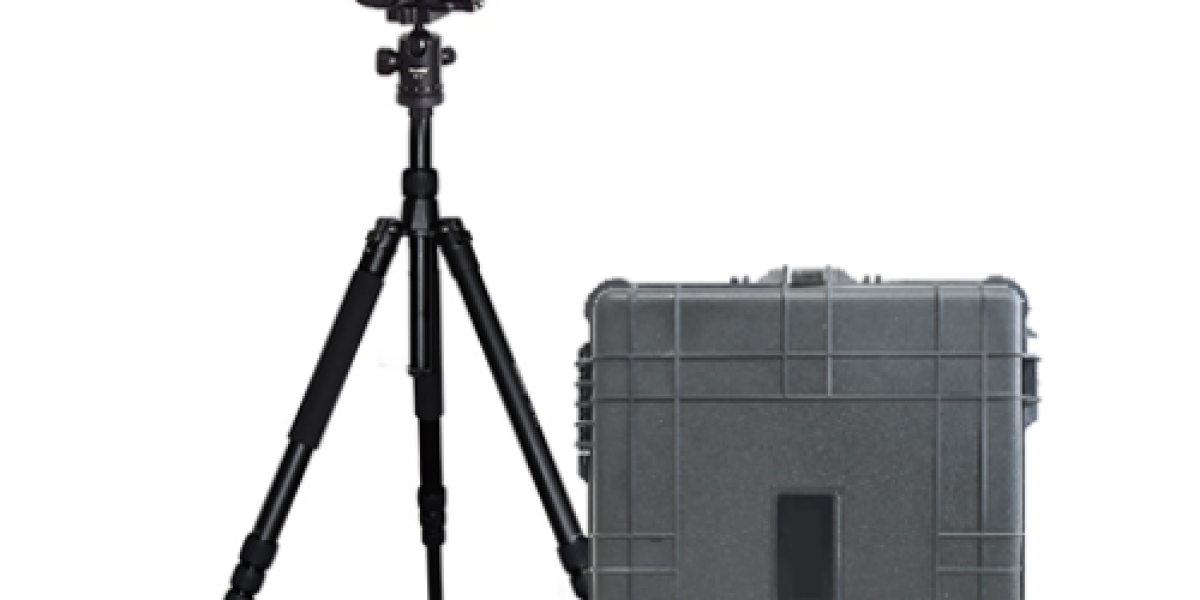
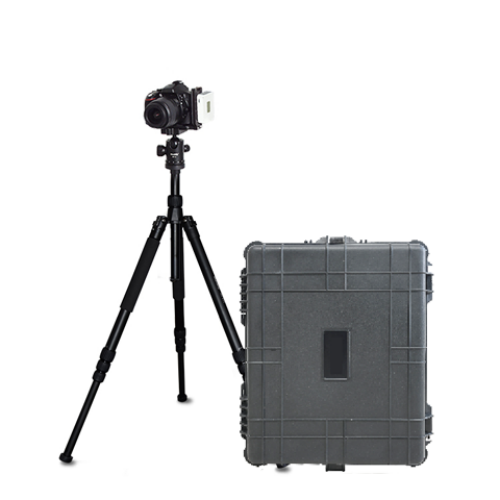
The JW-EL2 is equipped with a 24 megapixel industrial grade infrared CMOS imaging module, a fully automatic focusing optical lens, and an imaging resolution of up to 1.5mm/pixel. It can clearly capture various internal defects such as micro level hidden cracks, black heart and black film, grid line breakage, and welding holes. In low light and weak light environments, there is no need for a closed shading shed. With the matching portable shading kit, outdoor imaging can be completed, completely breaking the limitation of traditional EL equipment that must be operated in a dark room. The equipment adopts a split type portable layout, with the imaging host, programmable test power supply, and lightweight tripod packaged in a three proof portable toolbox. It can be transported by a single person's hand without air transportation control, making it easy to enter confined spaces such as narrow roofs, rugged mountain power stations, and containerized component warehouses for operation. The power supply module of the whole machine is equipped with long-term energy storage lithium batteries, which can continuously complete EL imaging detection of more than 260 components with a single full charge, meeting the daily batch inspection task.
At the electrical control level, JW-EL2 is equipped with a programmable constant current excitation power supply, with finely adjustable output voltage of 0-60V and output current of 0-5A. It comes with quadruple circuit protection against short circuit, overcurrent, backflow, and overheating to prevent damage to intact components during testing; The device is equipped with a wireless Wi Fi image transmission module, and the captured EL images are synchronized in real time to the tablet terminal. The defect type can be judged on site in real-time without the need to bring it back to the computer for secondary review. The detection efficiency is improved by more than 60% compared to traditional wired EL devices. The instrument is equipped with Jingwei's self-developed EL intelligent analysis software, which automatically marks the location of defects, counts the number of defects, classifies and archives them according to types such as hidden cracks, virtual welding, fragments, PID, etc., generates quality inspection reports in batches, and assists in the standardization of factory quality inspection and power station acceptance.
The landing application of the product covers all links of the photovoltaic industry chain: module production enterprises use it for semi-finished and finished products in the production line for final inspection, strictly control the factory yield rate, and reduce after-sales compensation losses; In the warehousing and logistics process, EL testing is conducted on the sampled components upon arrival to identify hidden damages caused by transportation collisions; During the acceptance stage of the power plant project, random sampling of incoming components and sampling inspection of the entire completed section are carried out to prevent defective components from being connected to the grid; In the operation and maintenance inspection scenario, targeted EL troubleshooting is carried out for arrays with low power generation, quickly locating faulty components, accurately guiding replacement and maintenance, and significantly reducing the operation and maintenance costs caused by blind disassembly and replacement; Research institutes can use equipment to carry out research and development testing of new battery cell processes, verifying the advantages and disadvantages of packaging processes.
Jiangsu Jingwei provides standardized operation training for JW-EL2, allowing zero foundation operation and maintenance personnel to independently operate it in half a day. The equipment supports remote online firmware upgrades, continuous iteration of image recognition algorithms, and optimization of defect recognition accuracy. At present, this model has provided bulk services to dozens of component factories and hundreds of photovoltaic operation and maintenance companies in China, controlling the internal quality of components from the source. With portable non-destructive testing technology, it reduces the loss cost of the entire industry chain and helps improve the quality and efficiency of the photovoltaic industry.
Photovoltaic panel testing instrument, outdoor photovoltaic power station testing instrument, photovoltaic module EL testing instrument