
Solar irradiance is a core environmental parameter that determines the amount of photovoltaic power generation. Accurate irradiance data is indispensable from the feasibility study site selection and component tilt angle optimization design of photovoltaic power plants in the early stage, to the calculation of power generation efficiency, PR value calculation, and IV testing environment compensation in the later stage. Ordinary simple illuminance meters on the market have insufficient accuracy and severe temperature drift, which cannot meet the measurement standards of the photovoltaic industry. Imported scientific research grade irradiation equipment has high prices and maintenance costs. Based on the practical needs of the photovoltaic industry, Jiangsu Jingwei has launched the JW-F04 portable irradiance meter, which adopts first level thermopile optical sensing technology and balances high precision and portability. It has become a standard instrument for photovoltaic surveying, on-site testing, and scientific research experiments. Portable irradiation system dosimeter
The JW-F04 optical sensor strictly follows the IEC61724 photovoltaic industry measurement standard, with a spectral response that conforms to the full spectrum of natural sunlight. The total irradiance measurement range is 0-2000W/㎡, with a measurement error of ≤± 3%. It can synchronously and accurately collect three core data points: horizontal total radiation, effective irradiance on inclined surfaces, and scattered radiation; Equipped with high-precision temperature and humidity sensors, it synchronously records environmental temperature parameters and is matched with intelligent temperature compensation algorithms to automatically offset sensing drift errors caused by high and low temperatures. The data stability in extreme temperature difference environments far exceeds that of portable products of the same level. The whole machine adopts an integrated compact body, which can be held and operated with one hand. The probe and the host are designed in a separate manner, and are equipped with extendable support rods. It can be placed flat on the ground to measure horizontal radiation, or fixed on the component board to synchronously collect inclined radiation. It perfectly matches the synchronous on-site sampling requirements of IV testing instruments and provides accurate environmental data sources for IV testing STC conversion.
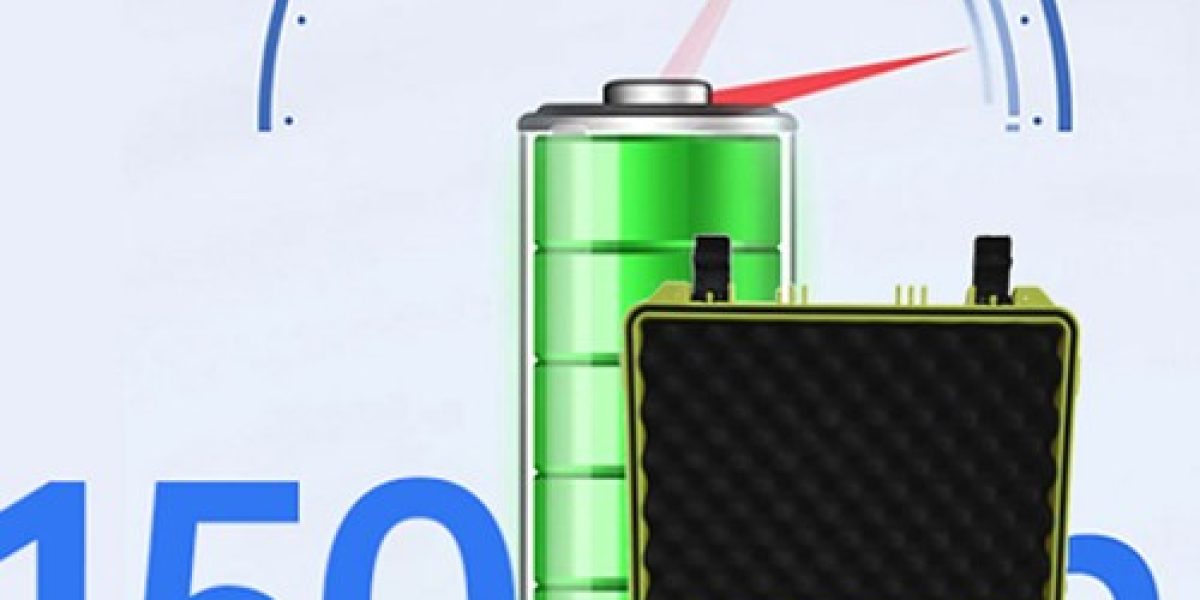
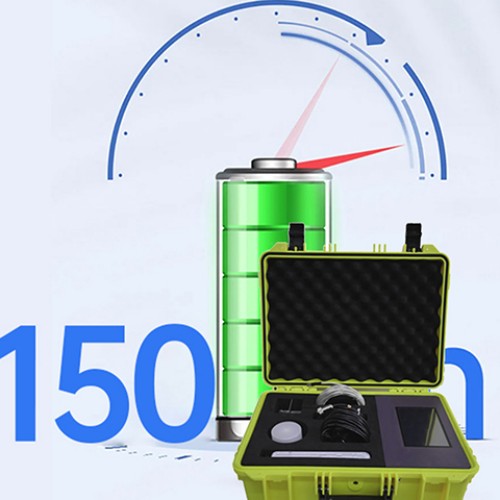
The device is equipped with a high-definition LCD display screen, a bilingual operating system in Chinese and English, and supports multi-mode display of instantaneous values, hourly averages, and daily cumulative radiation exposure; The body is equipped with a large capacity storage chip, which can automatically and continuously store over 100000 monitoring data. With Bluetooth+USB dual transmission mode, the data is wirelessly connected to the mobile mini program, automatically generating radiation change curve graphs, and can also be exported to a computer for resource statistical analysis. For long-term fixed-point field survey scenarios, JW-F04 can be equipped with a solar powered supplementary base, which can automatically record data continuously for tens of days without interruption from the city power supply, and is suitable for remote mountainous and desert photovoltaic resource survey projects; The housing is made of anti-aging ABS material, IP65 is dust-proof and waterproof, and is free from rain and sand, which greatly broadens the boundary of equipment application scenarios.
At present, JW-F04 is widely used in five major fields: resource survey of photovoltaic design institutes, on-site acceptance of EPC projects, third-party measurement and testing, teaching in university new energy laboratories, and distributed photovoltaic operation and maintenance. Multiple household photovoltaic service providers in East China have utilized this equipment to conduct on-site measurements of roof irradiance. After optimizing the bracket tilt angle, the average annual power generation of a single household power station has increased by 4% to 6%; Multiple third-party testing institutions have used it in conjunction with JW-IV12 to form an integrated on-site testing plan for component performance and environmental parameters. The testing report has successfully passed the grid connection acceptance verification. Relying on the advantages of domestic supply chain, JW-F04 has improved its cost-effectiveness by more than 50% compared to imported products with the same precision. Jiangsu Jingwei also provides annual sensor calibration services to ensure long-term accurate measurement of equipment. With the continuous expansion of domestic new energy power stations and the steady growth in demand for precise irradiation monitoring, JW-F04 will continue to iterate multi-channel spectral irradiation versions, using precision measurement to assist in the implementation of photovoltaic precision design and operation
Portable irradiation system thermometer, photovoltaic performance evaluation tool, portable photovoltaic PR testing system