

The power generation, efficiency, and equipment operation status of photovoltaic power plants are closely related to environmental meteorological parameters. Micro meteorological data such as solar irradiance, environmental temperature and humidity, wind speed and direction, atmospheric pressure, etc. are the core basis for power plant performance evaluation, power generation prediction, fault diagnosis, and operation and maintenance optimization. Traditional meteorological stations have a large volume, complex installation, fixed deployment, and high cost, which makes it difficult to meet the needs of multi-point flexible monitoring, accurate micro meteorological capture, and portable rapid deployment of photovoltaic power plants. Jiangsu Jingwei Technology Co., Ltd. is deeply engaged in the field of photovoltaic environmental monitoring. With the support of multi-sensor integration technology and intelligent data acquisition algorithms, we have launched the JW-Q56 portable weather station, which provides professional level solutions for micro meteorological monitoring of photovoltaic power plants with the core advantages of multi parameter synchronous monitoring, high-precision data acquisition, portable and flexible deployment, and intelligent and stable transmission. It helps photovoltaic power plants operate finely and generate electricity efficiently. Portable weather station
Jiangsu Jingwei Technology, as an innovative enterprise in the field of new energy environmental monitoring equipment in China, focuses on the research and development, production, and sales of photovoltaic power plant environmental monitoring, energy metering, and other related equipment. It has a complete research and development system, advanced production equipment, and strict quality control system. The company relies on core capabilities such as online energy measurement technology research and development, emerging energy technology research and development, and focuses on the pain points of micro meteorological monitoring in photovoltaic power plants. In response to core needs such as flexible deployment at multiple points, accurate data collection, and long-term outdoor monitoring, the company has overcome multiple technical challenges such as multi-sensor integration, portable structural design, and intelligent data calibration. It has successfully developed the JW-Q56 portable meteorological station, which is tailored for synchronous monitoring of micro meteorological parameters in photovoltaic power plants.
The JW-Q56 portable meteorological station has the ability to synchronously monitor multiple parameters with high precision, fully covering the core micro meteorological parameters of photovoltaic power plants. The device integrates a high-precision sensor array, which can synchronously collect eight core meteorological parameters including total solar irradiance, scattered radiation, ambient temperature, relative humidity, wind speed, wind direction, atmospheric pressure, etc. in real time, meeting the environmental monitoring needs of photovoltaic power plants in one stop. Each sensor adopts industrial grade high-precision components, which have undergone strict calibration and testing to ensure stable and reliable measurement accuracy: irradiance measurement range 0-2000W/㎡, error ≤± 2%; Temperature measurement range -40 ℃ to 80 ℃, with an error of ≤± 0.5 ℃; The humidity measurement range is 0-100% RH, with an error of ≤± 3% RH; the wind speed measurement range is 0-60m/s, with an error of ≤± 0.3m/s; The wind direction measurement range is 0-360 °, with an error of ≤± 3 °, accurately capturing micro meteorological changes and providing reliable data support for the refined management of photovoltaic power plants. At the same time, the device is equipped with an intelligent calibration module that can automatically eliminate measurement errors caused by environmental interference and sensor drift, ensuring stable long-term monitoring accuracy.
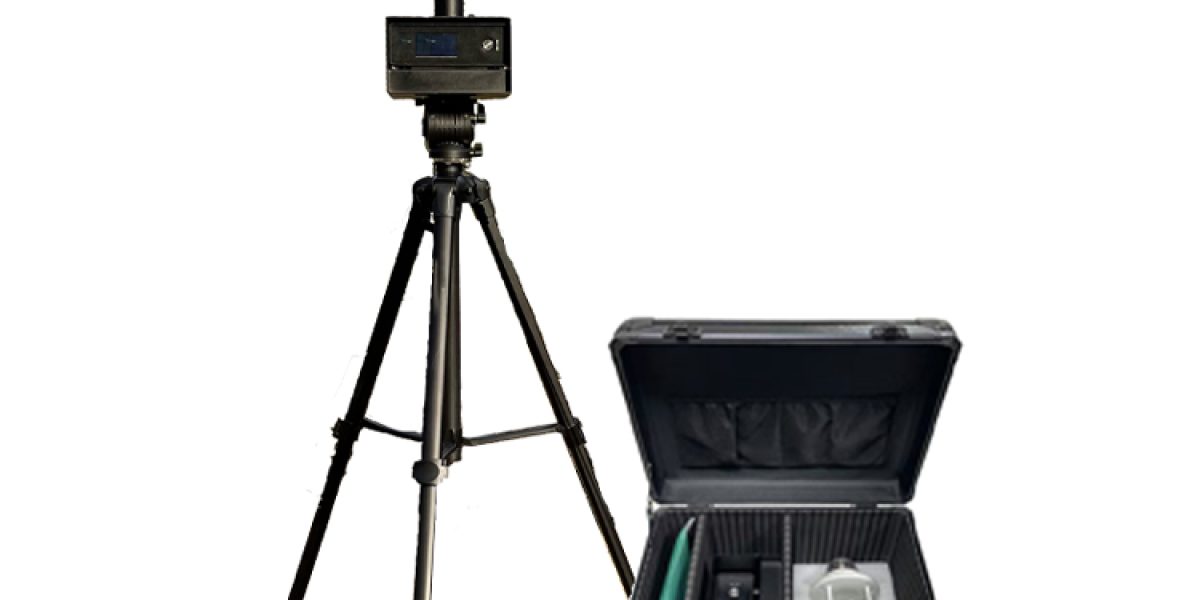
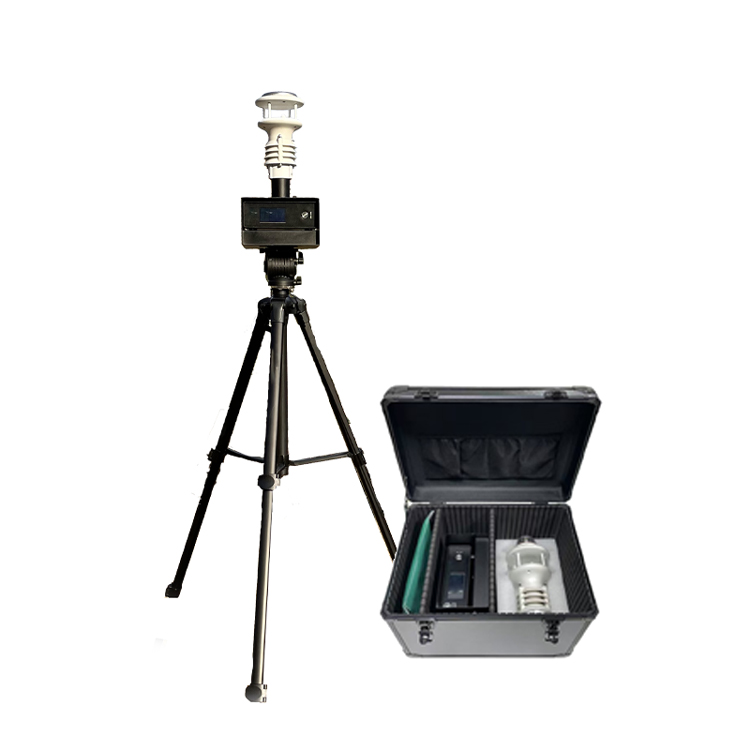
Portable and flexible deployment design allows JW-Q56 to adapt to various complex scenarios, achieving rapid deployment and transfer. The device adopts an integrated lightweight and portable design, with a compact structure and light weight. It does not require professional tools and can be quickly assembled and deployed by a single person, with a deployment time of less than 10 minutes. Equipped with a retractable bracket and portable protective box, the height of the bracket can be flexibly adjusted to adapt to different terrains and monitoring heights; The protective box is dust-proof, waterproof, and impact resistant, making it easy to carry and transport. It enables quick transfer and multi-point deployment of key locations within the power station, making it particularly suitable for benchmarking analysis, local environmental assessment, scientific research monitoring, and temporary monitoring scenarios. The equipment adopts an industrial grade protective shell with a protection level of IP65. It can operate stably for a long time in harsh environments such as wide temperature range from -30 ℃ to 70 ℃, high humidity, sandstorm, rain and snow, and is not afraid of extreme outdoor weather tests, meeting the long-term unmanned monitoring needs of photovoltaic power plants.
Intelligent data collection and transmission capabilities to assist in the digitization and efficiency of photovoltaic operation and maintenance. JW-Q56 is equipped with a high-precision data acquisition and storage module, which can collect and store meteorological data in real time. It supports recording at multiple time intervals such as 1 minute, 5 minutes, and 15 minutes, and can store data locally for more than 5 years, meeting long-term data traceability needs. The device supports multiple data transmission methods such as RS485, WIFI, 4G/5G, and can seamlessly integrate with photovoltaic power station monitoring platforms, data collectors, and cloud platforms to achieve real-time data uploading, remote monitoring, and analysis, making it convenient for backend management personnel to grasp the micro meteorological conditions of the power station in real time. Equipped with a professional cloud platform and mobile app, it can visually display, statistically analyze, trend draw, and generate reports on collected meteorological data. Combined with data such as power generation and component temperature, it can accurately calculate PR values and system efficiency, evaluate the impact of environmental factors on power generation efficiency, and provide scientific basis for power generation prediction, operation and maintenance strategy optimization, and fault diagnosis. At the same time, the equipment has a data abnormality alarm function. When the meteorological parameters exceed the normal range or the equipment malfunctions, the alarm information can be sent in a timely manner to remind the operation and maintenance personnel to handle it in a timely manner, ensuring the continuity of monitoring work.
In practical application scenarios, the JW-Q56 portable weather station, with its powerful performance, is widely adaptable to key links throughout the entire lifecycle of photovoltaic power plants. During the site selection stage of the power station, it can be flexibly deployed in candidate areas to monitor solar energy resources and micro meteorological conditions for a long time, evaluate resource abundance and environmental adaptability, and provide scientific basis for power station site selection; In the system design phase, accurate micro meteorological data can be provided to optimize component layout, tilt angle design, inverter selection, and improve system power generation efficiency; During the acceptance stage of the power station, the consistency between the actual operating environment and the design environment of the power station can be verified, and the construction quality of the power station can be evaluated; During the operation and maintenance phase, long-term monitoring of micro meteorological changes can be carried out, combined with power generation data, to accurately diagnose issues such as component obstruction, attenuation, and hot spots, optimize operation and maintenance strategies, and enhance the overall revenue of the power station. In addition, the equipment can also be applied to solar energy research experiments, agricultural photovoltaics, integrated building photovoltaics, meteorological research and other scenarios, meeting the needs of micro meteorological monitoring in multiple fields.
Jiangsu Jingwei Technology has always adhered to the development concept of "precise monitoring, empowering photovoltaics". The launch of the JW-Q56 portable weather station is an important achievement of the company's deep cultivation in the field of photovoltaic environmental monitoring, and also a precise response to the industry's demand for refined monitoring. In the future, Jingwei Technology will continue to increase research and development investment, continuously optimize product performance, expand product functions, explore the deep integration of meteorological monitoring technology with AI artificial intelligence and big data analysis, launch more intelligent and efficient monitoring equipment, and provide reliable product quality and professional technical services to help global photovoltaic power plants achieve refined management and efficient operation, contributing Jingwei's strength to the sustainable development of the new energy industry.