


As the core power generation unit of a power station, photovoltaic modules often suffer from hidden problems such as internal cracks, broken grids, fragments, and sintering defects, which gradually lead to power attenuation, hot spots, and even failure during operation, seriously affecting the power generation and investment returns of the power station. Traditional appearance inspection is difficult to detect micro defects, and laboratory EL testing has limitations such as high cost, long cycle, and inability to be applied on site. In response to the pain points in this industry, Jiangsu Jingwei Technology Co., Ltd. has launched the JW-EL2 portable EL detector, which uses electroluminescence imaging technology as its core to achieve on-site, rapid, and high-definition detection of internal defects in photovoltaic modules, providing key technical support for photovoltaic module quality control and power station operation and maintenance. Photovoltaic power station tester
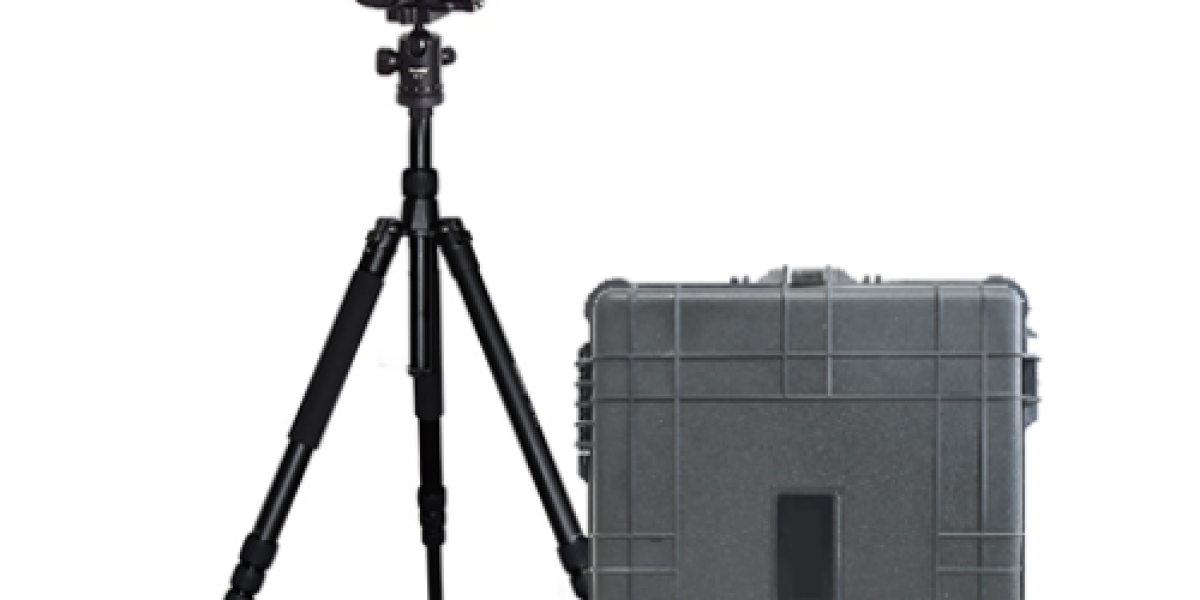
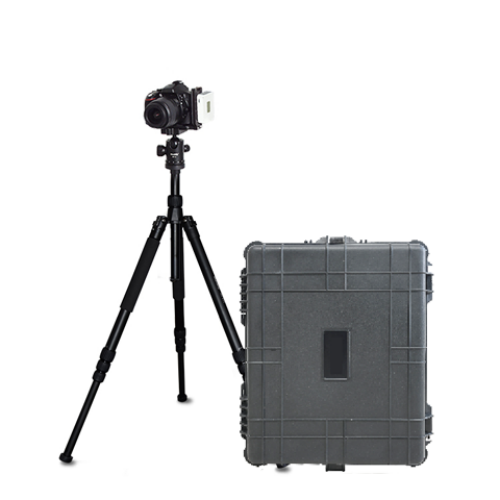
JW-EL2 is a high-precision portable defect diagnosis device based on the principle of electroluminescence (EL). By injecting specific current into photovoltaic modules, it excites the solar cells to emit infrared micro light, which is then captured and imaged by a high-sensitivity infrared camera to clearly present the internal microstructure of the components. It accurately identifies various hidden defects such as hidden cracks, broken grids, fragments, virtual soldering, poor sintering, hot spots, and diode abnormalities, with a detection accuracy of over 99%. The device is equipped with a 24.76 million level high-definition infrared imaging unit, which has clear imaging and rich details, and can accurately locate micro scale cracks, providing reliable basis for defect assessment and repair.
In terms of scene adaptation, JW-EL2 has achieved full scene coverage in laboratories, production lines, and outdoor sites. In the component manufacturing process, it can be used for production line sampling and factory inspection to strictly control product quality; In the construction phase of the power station, sampling inspection can be conducted on the received components to identify hidden cracks that may occur during transportation and installation in advance; In the operation and maintenance process, the operating components can be directly inspected on site on the bracket without disassembly, quickly assessing aging and decay conditions, timely replacing defective components, and avoiding loss of power generation. The single standard component has a short detection time and much higher efficiency than traditional detection methods, making it particularly suitable for batch inspections of large-scale power plants.
Portability and ease of use are the core design concepts of JW-EL2. The whole machine adopts a compact and lightweight design, equipped with a high-strength suitcase, and has strong portability. It can be carried by a single person to any site such as roofs, mountains, water surfaces, etc; The device integrates high-energy density batteries and can support continuous detection of ≥ 200 components on a single charge, meeting the needs of outdoor operations for a whole day. The operation interface is simple and intelligent, supporting fully automatic focusing, low light imaging, and ambient light filtering, which can effectively avoid interference from sunlight, lights, and moonlight. It can be detected normally during both day and night; Equipped with a wireless control module, operators can remotely control imaging and shooting, enhancing operational safety and convenience.
The design of environmental adaptability and reliability fully considers the complex working conditions of photovoltaic sites. The JW-EL2 machine has industrial grade protection capabilities and can operate stably within a wide temperature range of -10 ℃ to 50 ℃. It has excellent dust, moisture, and shock resistance and is suitable for harsh environments such as high temperature, high humidity, sand and dust, and salt spray. The equipment adopts non-contact imaging, and the detection process does not require contact with the surface of the components to avoid scratching the glass and packaging layer, protecting the integrity of the components; Supporting offline storage and WIFI data transmission, image data can be saved in real time, accessed for viewing and comparative analysis at any time, providing data support for the quality traceability of the entire lifecycle of components.
Jiangsu Jingwei Technology, as an innovative enterprise in the field of photovoltaic testing equipment in China, has always focused on industry pain points and adhered to independent research and development. JW-EL2 is domestically developed in terms of imaging algorithms, optical systems, and structural design. Its core technology has independent intellectual property rights and breaks the monopoly of foreign equipment. It has reached international advanced levels in imaging clarity, detection efficiency, portability, and has higher cost-effectiveness and localized service capabilities. The company relies on the research and development center and production base of Suzhou High speed Railway New City to establish a sound quality control system. Each equipment undergoes strict calibration and testing before leaving the factory to ensure stable and reliable performance.
In the context of high-quality development in the photovoltaic industry, the quality of components and the level of operation and maintenance directly determine the return on investment of power plants. Jiangsu Jingwei JW-EL2 portable EL detector provides professional defect detection solutions for the entire process of photovoltaic module research and development, production, acceptance, and operation, with core advantages of high-definition imaging, precise recognition, portability and high efficiency, and full scene adaptation. It helps the photovoltaic industry improve product quality, reduce operation and maintenance risks, and improve power generation efficiency, contributing solid strength to the achievement of China's "dual carbon" goals.
Photovoltaic power station tester, photovoltaic panel hidden crack rapid detection instrument, solar cell testing equipment