


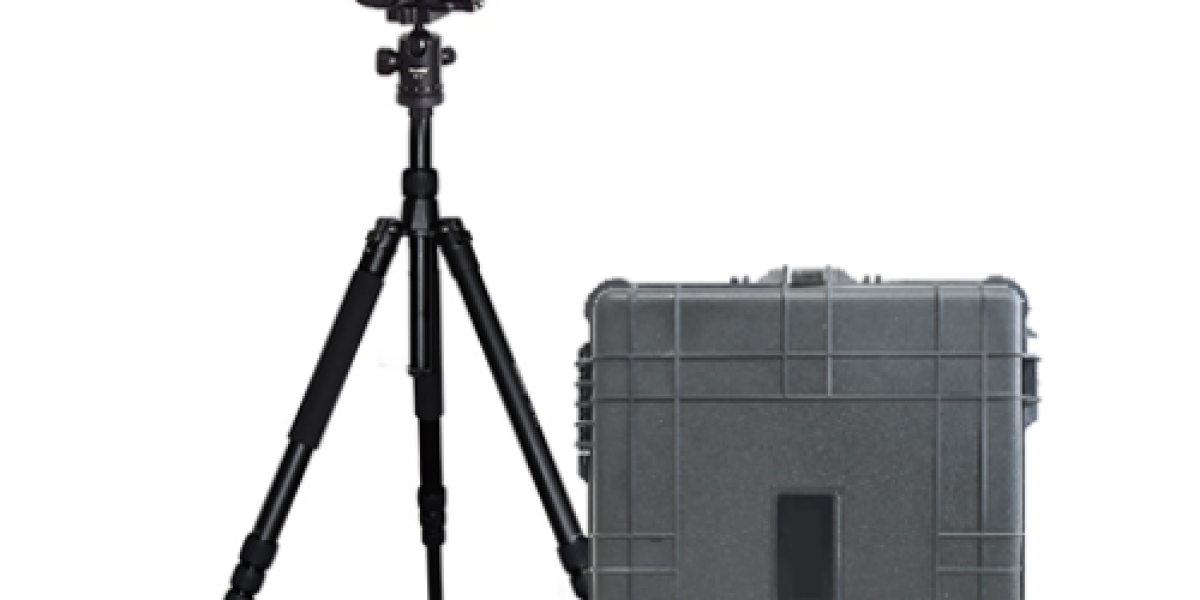
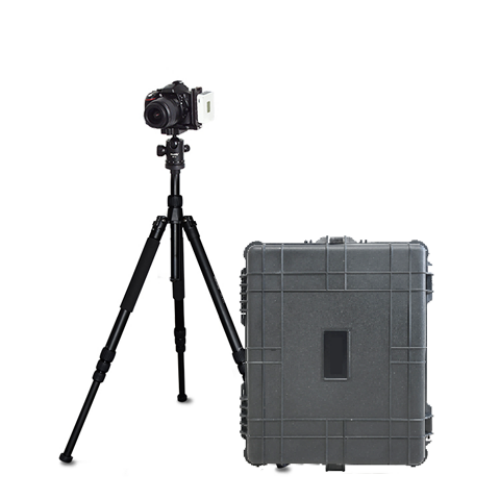
Internal defects such as hidden cracks, broken grids, PID effects, and virtual soldering in photovoltaic modules have the characteristics of strong concealment, long latent period, and great harm. Long term operation can easily lead to significant power attenuation of the modules and even cause safety accidents, which is the core pain point that restricts the long-term stable operation of photovoltaic power plants. The traditional detection method relies on manual visual observation or large offline equipment, which has low efficiency, poor accuracy, and high cost, making it difficult to achieve rapid and accurate on-site detection. Jiangsu Jingwei Technology Co., Ltd. closely focuses on industry pain points, innovatively integrates electroluminescent technology and AI image algorithms, and successfully develops the JW-EL5 portable EL detector. With a second level detection speed and micrometer level recognition accuracy, it has become a "weapon" for internal defect detection of photovoltaic modules, providing efficient solutions for photovoltaic module production quality inspection, power station acceptance and operation. Photovoltaic power station tester
As an innovative enterprise in the field of photovoltaic detection equipment, Jiangsu Jingwei has always adhered to the research and development concept of "precise detection and intelligent empowerment". Relying on independently developed multispectral sensing technology and deep learning algorithms, it has overcome the technical bottlenecks of traditional EL detection equipment, such as large volume, need for shading, blurred imaging, and difficult defect recognition. The JW-EL5 portable EL detector launched this time is the result of the deep integration of the company's technological accumulation and market demand. It breaks the limitations of outdoor strong light detection, achieves "single person, single machine, second level" efficient detection, and promotes the defect detection of photovoltaic modules from offline laboratories to on-site intelligent operations.
JW-EL5 achieves industry-leading detection accuracy and imaging quality. The device is based on high-sensitivity electroluminescent imaging technology, equipped with a 16 megapixel high-resolution infrared camera, with an imaging resolution of 4096 × 3072 pixels and an image signal-to-noise ratio of 52dB. It can clearly identify microcracks, hidden cracks, and broken gate defects as low as 0.1mm. Different from traditional devices, JW-EL5 innovatively integrates a multispectral sensing module that can accurately distinguish different types of defects such as hidden cracks, broken grids, PID effects, black core chips, and virtual soldering, avoiding misjudgments and omissions. Whether it is process defects during component production, or mechanical damage and aging defects generated during transportation, installation, and operation, they can be accurately captured and imaged clearly, providing intuitive and reliable basis for defect determination.
Portable design and outdoor adaptability allow detection to be unrestricted by different scenarios. JW-EL5 adopts an integrated lightweight design, with a total weight of only 4.5kg. It is equipped with a dedicated portable case, which can be easily carried and quickly deployed by a single person. The equipment is equipped with an adaptive shading system, which does not require the construction of an additional shading shed. It can achieve fast imaging in strong outdoor light environments, breaking the limitations of traditional EL detection relying on dark environments and greatly improving operational flexibility. Powered by high-energy density lithium batteries, it can support the testing of over 200 components on a single charge, meeting the needs of large-scale power station batch inspections. At the same time, it adopts industrial grade protective shell, which is anti drop, waterproof and dustproof, suitable for extreme temperature environments ranging from -20 ℃ to 60 ℃, and not afraid of complex outdoor working conditions.
AI intelligent empowerment enables the integration of detection, analysis, and reporting. JW-EL5 has a built-in deep learning AI analysis engine, which eliminates the need for manual inspection of images one by one. It can analyze defect features in real time, automatically classify and rate defects, label their locations, and generate structured detection reports. The report provides detailed records of defect types, quantities, locations, severity, and improvement suggestions. It supports one click export to PDF format and cloud synchronous storage, making it convenient for the operation and maintenance team to conduct quality traceability, data statistics, and batch management. The device supports 5G remote data transmission and cloud collaborative diagnosis. Remote power station detection data can be transmitted back in real time, and experts can assist in remote analysis to improve the accuracy of complex defect determination. Paired with a wireless tablet controller, it can remotely control shooting and view imaging images in real-time, allowing a single person to complete the entire detection process, significantly saving labor costs.
Widely adaptable to multiple scenarios, highlighting the value of the entire industry chain. In the production process of photovoltaic modules, JW-EL5 can be used for final inspection of production lines, rapid screening of process defects, and strict control of factory quality; During the on-site acceptance of the power station, comprehensive detection of damage during component transportation and installation can be carried out to clarify the division of responsibilities; During the regular inspection of the power station, hidden defects in components can be efficiently identified to avoid the risk of power attenuation in advance; In the troubleshooting process, the faulty components and defect types can be accurately located, providing precise guidance for maintenance. At present, JW-EL5 has been certified by the National Solar Photovoltaic Product Quality Supervision and Inspection Center and has been put into use in multiple large photovoltaic power plants and component production enterprises in China. The detection efficiency has increased by more than 50% compared to traditional equipment, and the defect recognition accuracy has reached 99.8%, which has been highly recognized by the market.
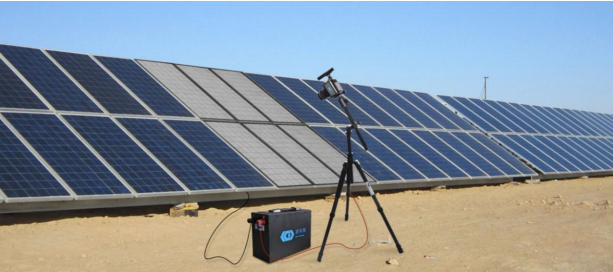
The technical director of Jiangsu Jingwei Technology Co., Ltd. stated that the successful development of the JW-EL5 portable EL detector has solved the industry problem of rapid on-site detection of hidden defects in photovoltaic modules. In the future, we will continue to optimize AI algorithms and imaging technology, continuously improve product detection accuracy and intelligence level, provide higher quality and more efficient detection equipment for the photovoltaic industry, and help improve the quality, efficiency, and healthy development of the photovoltaic industry. ”
Photovoltaic power station tester, outdoor photovoltaic power station tester, solar cell testing equipment