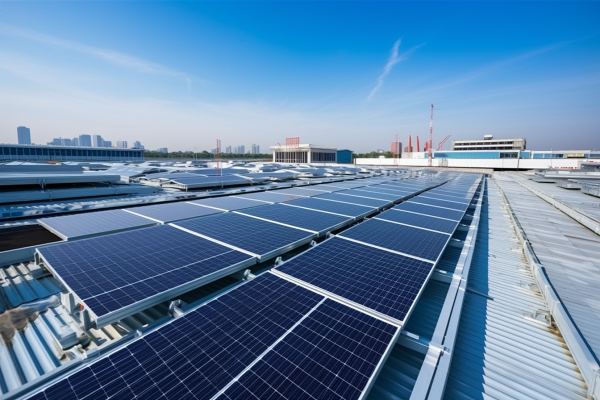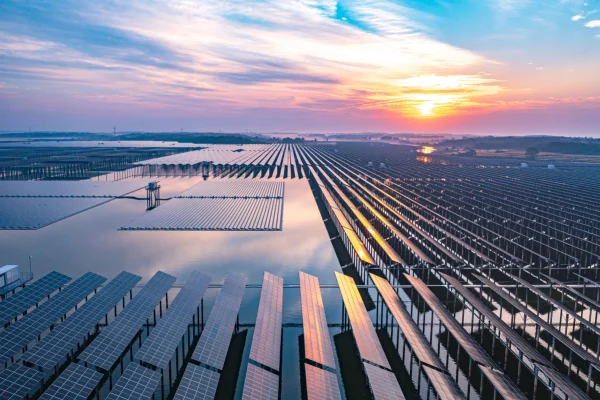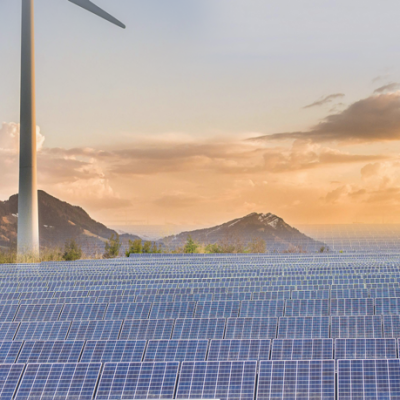


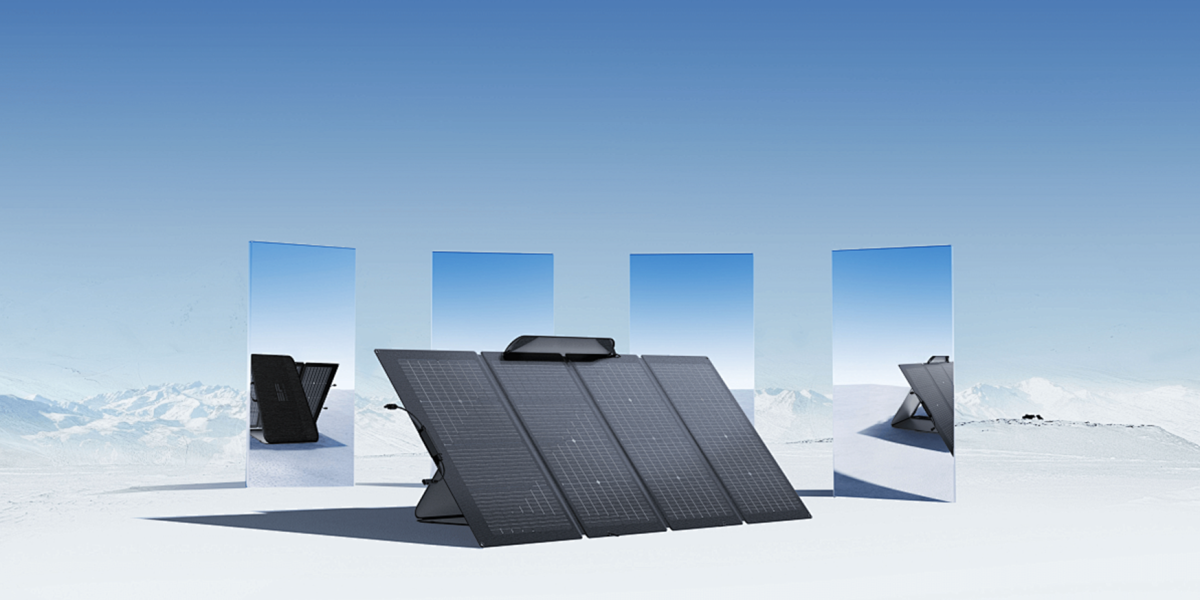
Photovoltaic roof inspection is an important part of ensuring the safe operation of photovoltaic systems, and its main purpose is to evaluate whether the roof structure can withstand the weight and load of the photovoltaic system, and to check the installation quality and electrical safety of the photovoltaic system. Here are the general steps for photovoltaic roof inspection:
Roof structure inspection: First, conduct a comprehensive inspection of the roof structure to ensure that it can withstand the weight of the photovoltaic modules and maintain good integrity. This includes checking the roof's material, structure type, load-bearing capacity, etc. At the same time, special attention should be paid to the waterproof, thermal insulation and other properties of the roof to ensure that it can still maintain good functionality after carrying the photovoltaic system.
Photovoltaic module installation inspection: Check the installation of photovoltaic modules, including module positioning, angle, bracket firmness, etc. Ensure that the PV modules are installed in accordance with the design and manufacturer's requirements and can withstand various weather conditions.
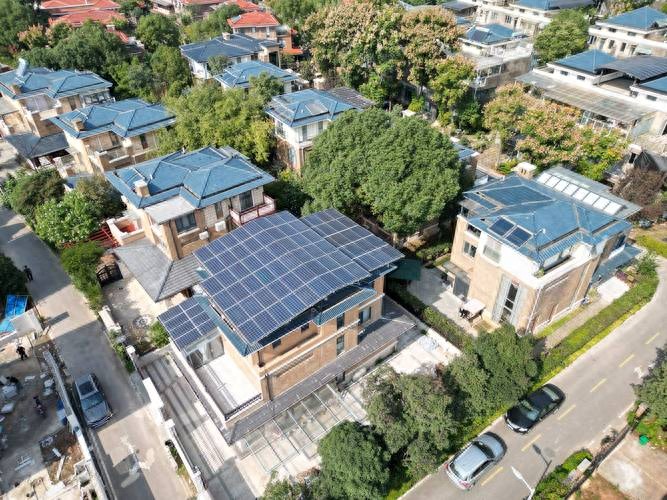
Electrical Connection Inspection: Check the electrical connections between the PV modules, including cables, connectors, connection boxes, etc. Ensure that the electrical connection is strong and reliable, without loosening, falling off, etc. At the same time, it is also necessary to check the installation of the inverter and other electrical equipment to ensure that it meets the specifications, and check whether the parameter settings of the inverter meet the design requirements.
Grounding System Inspection: Check the installation of the grounding system to ensure that the grounding meets the requirements. Grounding systems are essential for the safe operation of photovoltaic systems, ensuring that the system can safely discharge current during operation.
Monitoring system inspection: If there is a monitoring system, check the installation and setup of the monitoring system to ensure that it can monitor the operation of the photovoltaic system in real time. The monitoring system can detect and solve potential problems in a timely manner, improving the operational efficiency of the photovoltaic system.
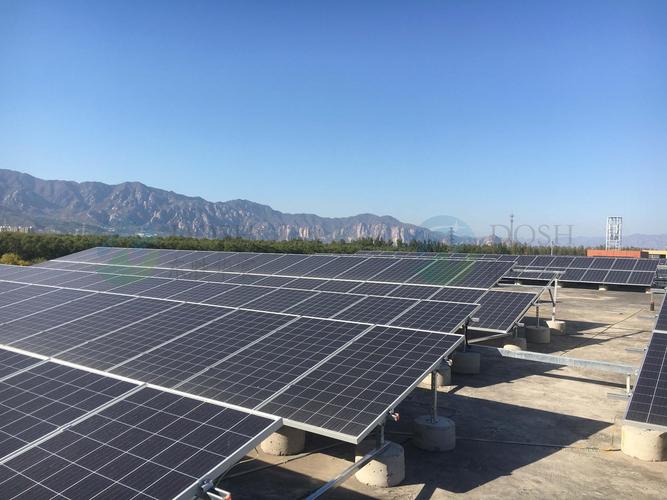
Shadow assessment: When conducting photovoltaic roof inspection, special attention should also be paid to the shadow situation. Shadows can have an impact on the output power of photovoltaic power plants, so it is necessary to carefully consider the shade of the roof during the inspection process and avoid installing in places with obstructions.
Develop a cleaning and maintenance plan: Finally, develop a cleaning and maintenance plan based on the test results. Regularly clean the surface of the photovoltaic panels with dust, bird droppings and other debris to keep them clean. At the same time, the problems or hidden dangers found in the inspection should be repaired or strengthened in time to ensure the stable operation of the photovoltaic system.
It should be noted that when conducting photovoltaic roof inspection, it is necessary to follow relevant safety regulations and operating procedures to ensure the safety and reliability of the testing process. At the same time, it is also very important to choose the appropriate testing methods and equipment to ensure the accuracy and reliability of the test results. If possible, it is recommended to seek professional testing institutions or experts for photovoltaic roof testing.