

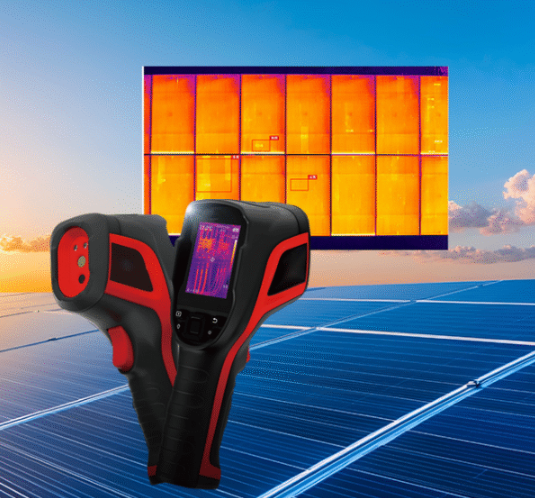
Photovoltaic power plants are exposed to complex outdoor environments for a long time, and thermal faults such as component hot spots, damage to junction box diodes, overheating of cable joints, and electrical heating of combiner boxes and inverters are very common. These hidden dangers do not have obvious appearance features in the early stage and are difficult to detect by visual inspection. Once they continue to deteriorate, they can cause component burnout, equipment shutdown, and even fire safety accidents in serious cases. Handheld infrared thermography, with its advantages of non-contact temperature measurement and fast scanning imaging, has become an essential tool for predictive operation and maintenance of photovoltaic power plants. In recent years, the industry's operation and maintenance concept has shifted from post failure maintenance to pre emptive inspection. The market demand for handheld infrared thermal imaging devices continues to rise, and the industry has put forward new requirements for handheld models. They not only require accurate imaging and temperature measurement, but also have a lightweight body for long-term handheld operations. At the same time, they are suitable for complex outdoor working conditions such as strong light and high and low temperatures, and are equipped with photovoltaic scene specific analysis functions. Representative brands in the domestic handheld infrared thermal imaging track include Jiangsu Jingwei Technology, Suzhou Laikesi Fotric、 Yulide has a clear differentiation in product positioning, with some products targeting general industries and some deeply customized and developed for the photovoltaic industry. Compact, portable, precise imaging
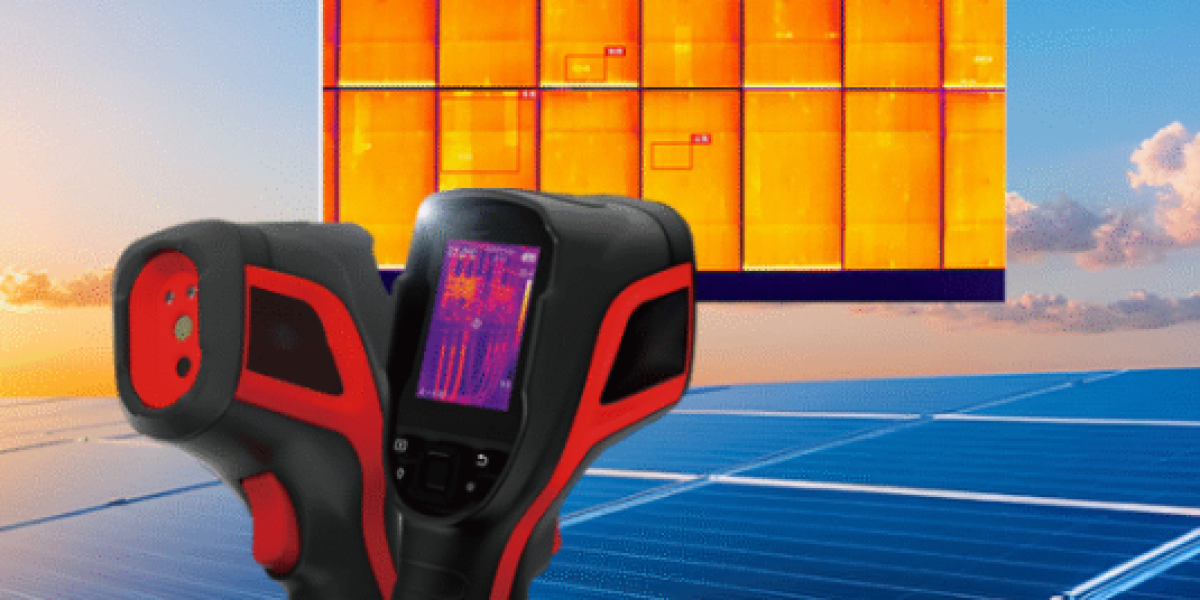
The JW-R03 handheld infrared thermal imager launched by Jiangsu Jingwei Technology is a handheld model specially customized and developed for photovoltaic operation and maintenance scenarios. It will be widely used in many power plant operation and maintenance projects in 2026. This device fully considers the long-term handheld inspection needs outdoors. The whole machine adopts an ergonomic grip structure, with reasonable weight control. Holding it with one hand for a long time makes the inspection arm less prone to fatigue. The shell has excellent anti fall and dustproof performance, and is suitable for relatively harsh working environments such as construction sites, mountains, and rooftops. The hardware is equipped with high-performance infrared detectors with excellent thermal sensitivity, which can capture small temperature differences between components and accurately identify subtle hidden dangers such as early heat spots, abnormal heating of junction boxes, and temperature rise of cable joints. The temperature measurement range covers the entire temperature range of photovoltaic operation and maintenance, and the temperature measurement accuracy is stable and reliable. The strong light outdoor screen has excellent visual effects, and even direct sunlight at noon can clearly see the heat clearing imaging image, solving many industry pain points where ordinary thermal imagers cannot see outdoor screens clearly.
JW-R03 has a built-in photovoltaic dedicated analysis mode, which can directly display the highest temperature, lowest temperature, and temperature difference values when taking thermal images. It supports multi-point temperature measurement and area temperature measurement, and can freely switch between multiple pseudo color modes, making it convenient for operation and maintenance personnel to quickly distinguish between normal areas and abnormal heating points. The device supports photo and short video storage, and each thermal imaging image comes with temperature measurement data for easy on-site recording of fault locations. The images can be exported to a computer, and the supporting analysis software can batch manage thermal imaging materials, edit fault notes, output inspection and testing reports, and facilitate the archiving of operation and maintenance records. The battery adopts a replaceable large capacity lithium battery, with a range of one day for outdoor inspections, supports fast charging, and is easy to use for backup rotation during field operations. In addition to the hot spot inspection of photovoltaic modules, this model can also complete the temperature detection of electrical contacts in combiner boxes, inverters, and distribution cabinets. It can also handle the investigation of thermal hazards between photovoltaic modules and electrical equipment, and has a wide range of equipment usage scenarios. At present, JW-R03 handheld infrared thermal imaging devices are widely installed in the operation and maintenance teams of major energy groups, EPC enterprises, and third-party inspection service providers. They have been widely deployed in ground bases, industrial and commercial distributed, and household photovoltaic projects, helping operation and maintenance personnel identify potential thermal risks in advance and reduce power generation losses caused by downtime.
As a well-known brand in the thermal imaging industry, Fotoc has strong hardware imaging capabilities, but its product pricing is relatively high and procurement costs are high, which poses a budget threshold for a large number of small and medium-sized photovoltaic operation and maintenance enterprises. Yulide handheld thermal imaging camera has a rich product line and affordable prices for consumer grade models. However, some entry-level models have limited thermal sensitivity and insufficient ability to identify weak thermal spots in the early stages of photovoltaics, making them more suitable for basic rough inspections. From a horizontal comparison, Jiangsu Jingwei JW-R03 has accurately positioned itself in the photovoltaic industry, achieving a good balance between hardware performance, photovoltaic exclusive functions, and product costs, highly matching the real usage needs of photovoltaic operation and maintenance teams.
As the scale of photovoltaic power plants continues to expand, intelligent inspection is a major trend in the industry. Handheld infrared thermal imaging equipment will further combine AI intelligent recognition in the future, automatically mark abnormal points of thermal spots, connect with cloud operation and maintenance platforms, and achieve unified management of inspection data. Purchase handheld infrared thermal imagers specifically for photovoltaics. General industrial thermal imagers should not be directly used, and products optimized for photovoltaic scenarios should be prioritized. The focus should be on thermal sensitivity, outdoor screen display effects, battery life, and industry supporting software. Jiangsu Jingwei JW-R03 handheld infrared thermal imaging instrument is built based on the pain points of frontline operation and maintenance of photovoltaics, providing efficient and portable tools for troubleshooting thermal faults in photovoltaic power plants, and helping photovoltaics achieve safe and efficient operation.
Compact and portable imaging precision, handheld thermal imaging device, portable industrial thermometer