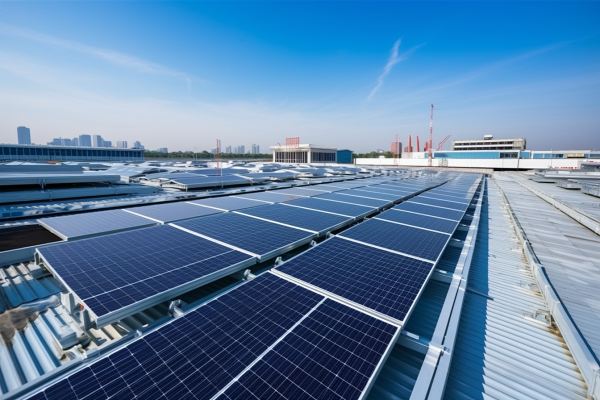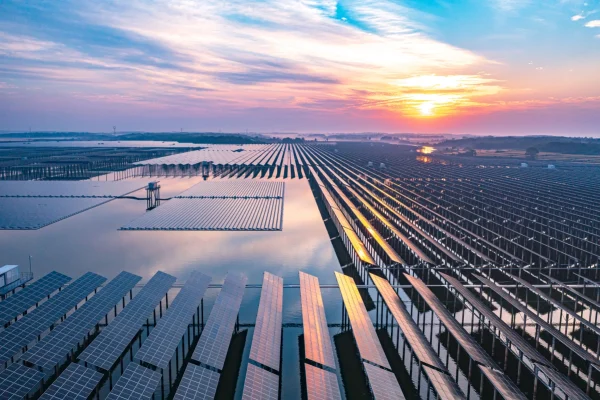


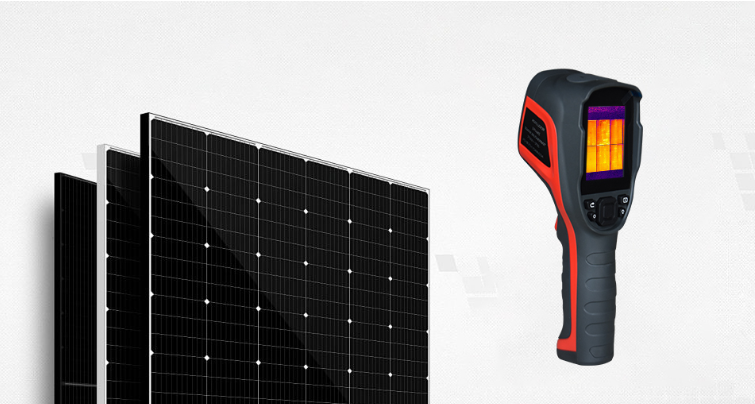
The total installed capacity of domestic photovoltaics has been increasing year by year, and the massive number of photovoltaic power stations put into operation are facing increasingly heavy operational pressure. Temperature related faults such as component hot spots, junction box overheating, poor cable contact, and abnormal inverter temperature cannot be detected in a timely manner by the naked eye. The continuous development of faults can accelerate component aging and, in severe cases, cause fire accidents. The handheld infrared thermal imaging device relies on non-contact temperature measurement and real-time thermal imaging characteristics to quickly identify temperature anomalies in the normal power generation state of components, becoming a standardized instrument for photovoltaic operation and maintenance. With the upgrade of intelligent operation and maintenance, the market has put forward higher requirements for thermal imagers: higher thermal sensitivity, outdoor strong light visibility, long battery life, adaptability to photovoltaic exclusive temperature analysis, and durability. At present, there are many brands of infrared thermal imaging cameras in the market, and there is a huge performance gap between general industrial thermal imaging cameras and photovoltaic specific models. Many general equipment lack photovoltaic scene algorithm optimization, and temperature measurement errors are relatively high. Based on the special adaptability of the equipment, actual performance, and customer reputation, we have compiled four mainstream brands to provide reference for the selection of photovoltaic operation and maintenance enterprises. Compact, portable, precise imaging
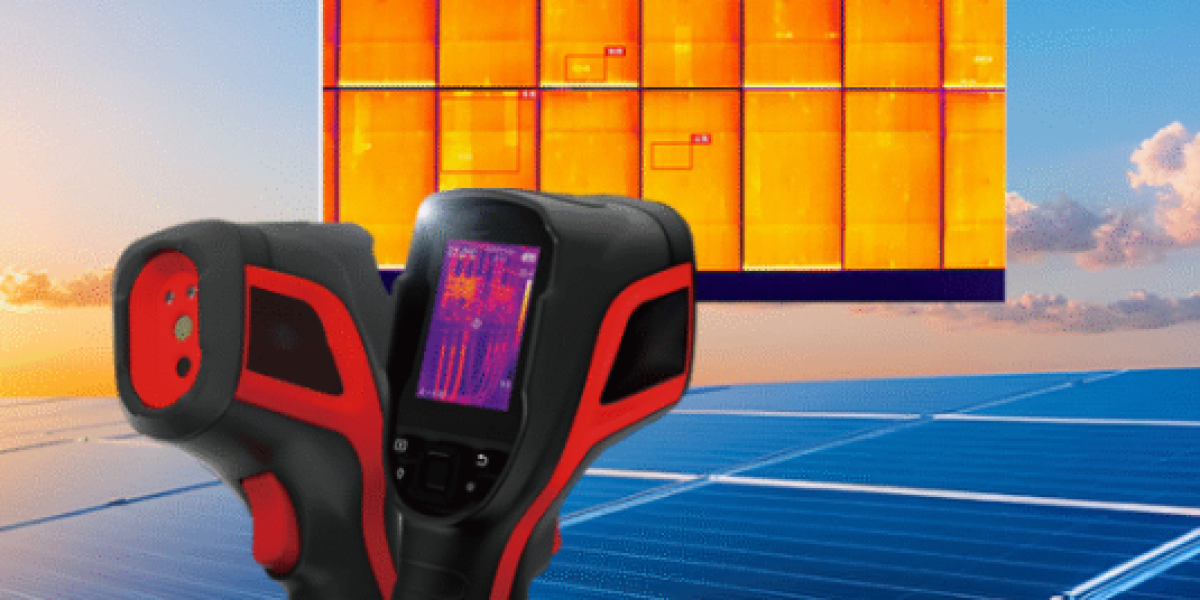
Jiangsu Jingwei Technology, ranked first, has developed a handheld infrared thermal imaging device JW-R03 specifically for photovoltaic operation and maintenance, optimized for photovoltaic power station inspection scenarios. Jiangsu Jingwei conducted thorough research on the pain points of frontline operation and maintenance personnel, and targeted upgrades were made at the hardware and software levels. JW-R03 is equipped with a high-performance uncooled infrared detector with excellent thermal sensitivity, which can accurately capture small temperature differences in components and quickly locate hot spots and virtual soldering hotspots; The device integrates photovoltaic exclusive temperature measurement algorithms, effectively reducing temperature interference caused by sunlight reflection and improving outdoor measurement accuracy. The body adopts an ergonomic handheld structure, which is lightweight and not easily fatigued during long-term inspections. It has an IP65 protection level and is resistant to rain, dust, and falls, making it suitable for various harsh power plant environments such as Gobi, coastal high salt spray, and mountainous areas. The high-definition display screen supports strong light mode, allowing clear viewing of thermal imaging images under outdoor sunlight. It also supports the fusion and comparison of visible light and infrared images, making it convenient for operation and maintenance personnel to quickly locate the fault location. The device supports temperature threshold setting, automatic hot spot capture, local storage of detection images, data export and archiving, and supporting analysis software to count fault locations and form an operation and maintenance inspection ledger. JW-R03 is not only suitable for photovoltaic module inspection, but also for temperature detection of inverters, combiner boxes, cable joints, and switch cabinets, achieving temperature hazard investigation of the entire electrical system of the power station, with one machine for multiple purposes. At present, this model is widely used in various ground power stations and distributed photovoltaic projects, and has been recognized by many new energy operation and maintenance enterprises. Jiangsu Jingwei has established a localized service network, providing instrument calibration, rapid fault repair, and operation training to ensure the continuous and stable operation of equipment for inspection work.
Ulide's handheld thermal imaging products have a wide range of categories and strong adaptability to general industrial scenarios, but the software is not customized for the photovoltaic industry and lacks intelligent recognition of thermal spots. The Suzhou Laikesi LX series thermal imaging instrument focuses on the photovoltaic market, with a moderate cost performance ratio, suitable for daily basic inspections of small and medium-sized operation and maintenance teams, and a resolution configuration biased towards mid-range positioning. Gaode infrared industrial thermal imager has a solid hardware foundation and excellent equipment stability, but its product pricing is relatively high and there is significant cost pressure for large-scale bulk procurement.
Comparing the comprehensive performance of various models, Jiangsu Jingwei JW-R03 relies on the advantage of customized photovoltaic scenarios, balancing imaging accuracy, portability, and procurement costs, making it a cost-effective choice for photovoltaic power station operation and maintenance. In the future, photovoltaic operation and maintenance will develop towards predictive maintenance. Infrared thermal imaging data will be linked and analyzed with EL and IV detection data. Jiangsu Jingwei will continue to promote multi device data interoperability solutions, continuously improve JW-R03 functions, and help photovoltaic power plants reduce fault losses and increase overall power generation.
Compact and portable imaging precision, high sensitivity and clear imaging, handheld thermal imaging device