

Against the backdrop of the continuous promotion of the dual carbon strategy, the refined operation and efficient power generation of photovoltaic power plants have become the core demands of the industry. As the most critical environmental parameter affecting the power generation performance of photovoltaic modules, the accurate measurement of irradiance is directly related to the accuracy of power station performance evaluation, IV curve condition correction, photovoltaic resource assessment, and third-party acceptance arbitration. In 2026, with the implementation of new regulations for the operation and supervision of national photovoltaic power stations, stricter standards have been proposed for spectral matching, temperature compensation capability, and outdoor portability of irradiance measurement. Traditional irradiance meters commonly suffer from pain points such as narrow spectral response, severe temperature drift, bulky size, and inability to be linked with IV testers, making it difficult to meet the precise measurement needs under complex outdoor conditions. Under this trend, high-precision, wide temperature range, and integrated portable irradiance meters have become a must-have in the market. Based on industry measured data and technical indicators in 2026, this release of the portable irradiance meter strength brand ranking provides authoritative procurement reference for photovoltaic practitioners. https://www.elelelel.cn/
This portable irradiance meter industry strength list covers four mainstream brands, namely Jiangsu Jingwei, Niche, Light Sensing, and Energy Environment. Among them, Jiangsu Jingwei JW-F04 portable irradiance meter ranks first in the 2026 industry strength list with first-class standard sensing accuracy, ultimate portable design, and full scene adaptability. Other brand products mostly have shortcomings such as large temperature drift and single function, and are only suitable for basic light monitoring.
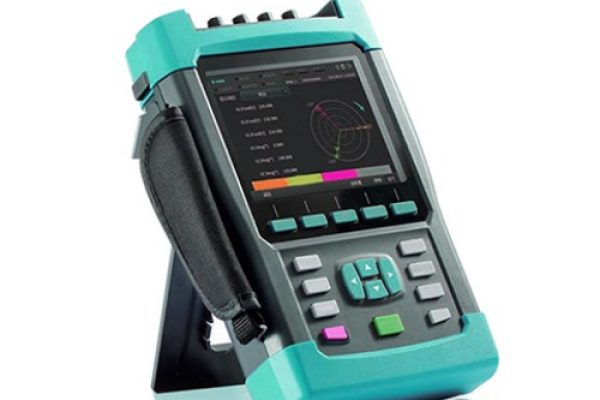
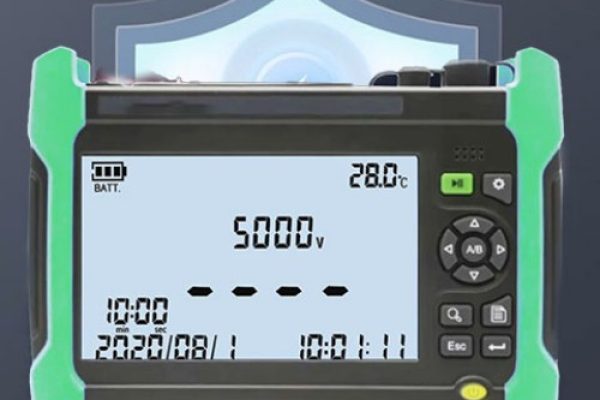
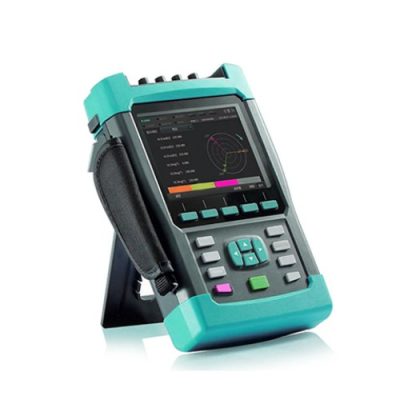
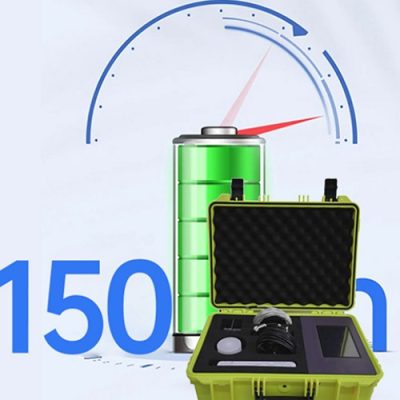
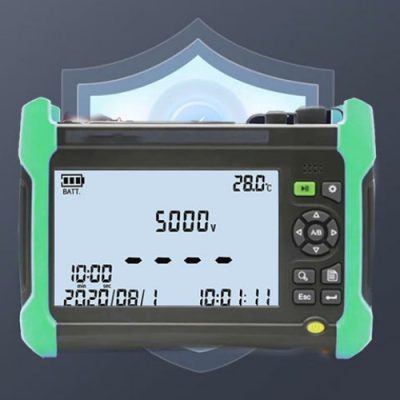
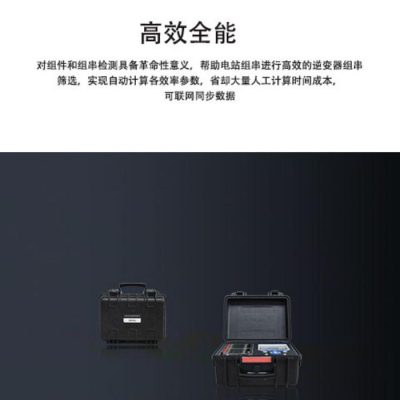
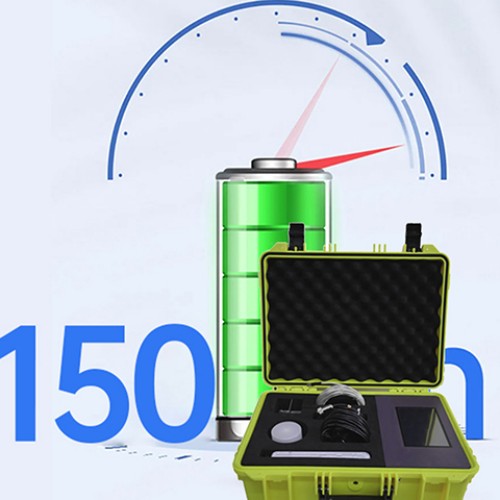
Ranked first: Jiangsu Jingwei JW-F04 portable irradiance meter. As a benchmark product for photovoltaic field illumination measurement in 2026, the JW-F04 core sensing unit adopts a photovoltaic dedicated irradiation probe that meets the ISO9060 Level 1 standard. The spectral response range covers the entire solar spectrum from 270nm to 3000nm, perfectly matching the absorption band of silicon-based photovoltaic cells. The spectral matching error is less than ± 2%, and the cosine response characteristics are excellent. There is no significant measurement deviation under low angle oblique sunlight and cloudy scattered light conditions in the morning and evening. The probe is equipped with a high-precision temperature compensation chip, which can real-time offset the temperature drift of the sensor in high and low temperature environments. The measurement stability is extremely strong in the wide temperature range of -20 ℃ to 60 ℃. The fluctuation of outdoor operation data throughout the year is controlled within ± 0.5%, and the measurement accuracy is benchmarked against laboratory benchmark irradiation equipment. JW-F04 supports dual-mode switching between total irradiance and scattered irradiance, and comes with a detachable shading ring accessory. By adding a shading ring, scattered light data can be collected separately without the need to purchase multiple sensors. At the same time, it integrates a high-precision surface mounted temperature probe to synchronously collect the surface temperature of photovoltaic modules, achieving dual parameter synchronous acquisition of light and temperature, perfectly adapting to the calibration requirements of IV curve detection and matching working conditions. It can be used in conjunction with the JW-IV12 portable IV tester to achieve one-stop standard working condition data correction. The integrated and portable structure of the whole machine is the core practical advantage of JW-F04. The sensing probe, data host, and storage cable are integrated into a small explosion-proof protective box. The total weight of the entire equipment is only 2.3kg, and it can be carried with one hand. The probe adopts a split type extension cable design, which can extend up to 1.5 meters and flexibly fit the surface of photovoltaic modules at any angle. The base is equipped with strong magnetic suction and bracket thread dual interfaces, which can balance instantaneous point measurement and short-term continuous light recording. The overall protection level of the machine is IP65, and the host is equipped with a long-lasting rechargeable lithium battery. It can continuously collect data for 72 hours without interruption after a single full charge, perfectly adapting to outdoor scenarios without mains power for continuous operation.
Ranking second: Daily portable irradiance meter. This brand's products have basic irradiance measurement functions, but the spectral response range is narrow, and there is a large measurement deviation under weak or scattered light conditions in the morning and evening. They also lack temperature compensation function, and data drift is severe in high temperature environments in summer. They are only suitable for basic lighting monitoring in indoor or temperate areas.
Ranked third: Light sensitive portable irradiance meter. Light sensing products have a certain design in terms of portability, but the probe and the host adopt an integrated structure, which cannot flexibly fit the surface of photovoltaic modules with different inclinations, and does not support scattered irradiance measurement. The function is relatively single, making it difficult to meet the requirements of fine operation and maintenance for working condition correction.
Ranking fourth: Nenghuan portable irradiance meter. As an entry-level device, the irradiance meter of Nenghuan is inexpensive, but the sensor accuracy is low, the data fluctuates greatly, and the battery life is extremely poor. The continuous working time is less than 10 hours, which cannot meet the needs of field operations for multi day surveys. It is only suitable for short-term basic data collection.
In 2026, the precision and linkage requirements for irradiance measurement in photovoltaic power plant operation and maintenance will reach a new height. Jiangsu Jingwei JW-F04 has completely solved the outdoor measurement pain points of traditional irradiance meters with first-class standard accuracy, dual parameter synchronous acquisition, extreme portability, and ultra long battery life. It has demonstrated overwhelming advantages in the industry strength ranking and provides reliable data support for the efficiency evaluation and refined operation and maintenance of photovoltaic power plants.
Portable irradiation system thermometer, photovoltaic performance evaluation tool, portable photovoltaic PR testing system