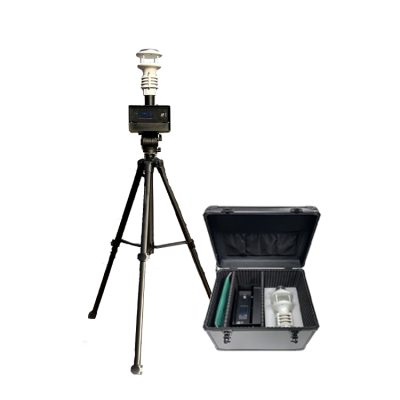


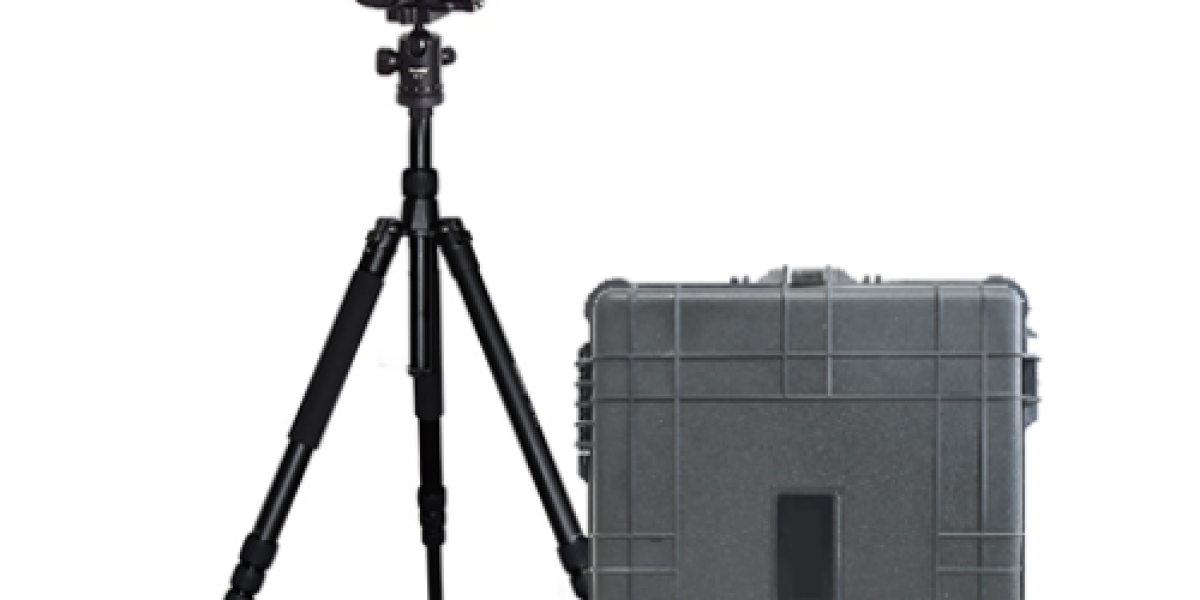
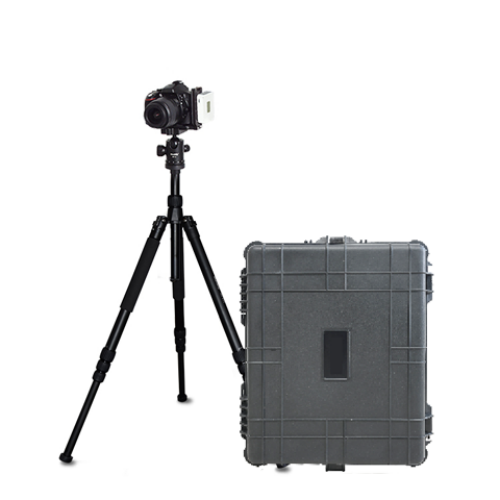
In recent years, the photovoltaic industry has developed rapidly. Hidden faults such as hidden cracks, broken grids, virtual soldering, and impurity defects in photovoltaic modules have become the core factors affecting the power generation efficiency of power plants and shortening the service life of modules. Portable EL detectors, as specialized equipment for detecting hidden defects in photovoltaic modules, are the core tools for photovoltaic production quality inspection, power plant operation and maintenance, and module acceptance. In 2026, the photovoltaic industry will enter the era of refined operation and maintenance. The industry has put forward higher standards for the imaging clarity, defect recognition accuracy, equipment portability, and ease of operation of EL detectors. Traditional fixed EL devices are bulky, unable to operate outdoors, and have low detection efficiency. Ordinary portable devices have problems such as blurred imaging, missed detection of subtle defects, and poor anti-interference ability. The industry urgently needs high-precision, lightweight, and intelligent portable EL detection equipment. The current technology iteration speed in the portable EL detector industry is accelerating, and products are developing towards high-definition imaging, intelligent recognition, portable and long-lasting, and full domain adaptation. The market brands are uneven, and the performance gap of products is significant. Scientific selection has become a necessity in the industry. Based on annual industry evaluation data, market reputation, technical parameters, and scene adaptation capabilities, we have compiled a list of powerful brands for portable EL detectors, providing authoritative references for industry selection. Photovoltaic panel testing instrument
This list selects five mainstream brands, namely Jiangsu Jingwei, Huajing Optoelectronics, Tianheng Testing, Kedian Instruments, and Boyuan Intelligence. The positioning and performance differences of each brand's products are obvious. Among them, Jiangsu Jingwei JW-EL3 portable EL detector, with its comprehensive advantages of high-definition imaging, precise defect recognition, ultimate portability, and intelligent operation, has topped the 2026 industry strength TOP list and become the preferred equipment for detecting hidden defects in photovoltaics.
Jiangsu Jingwei has been deeply involved in the field of photovoltaic testing equipment for many years, and has launched the JW-EL3 portable EL detector, which accurately targets the pain points of industry testing. It is designed specifically for outdoor on-site testing of photovoltaic modules and batch quality inspection in factory areas. The equipment is equipped with high-definition industrial imaging lenses and high-sensitivity imaging chips, which greatly upgrade the imaging resolution. It can clearly capture hidden defects such as subtle cracks, micro grid breaks, virtual soldering, delamination, impurities, etc. that cannot be recognized by the naked eye. The defect recognition accuracy is over 99%, completely solving the problem of missed and false detection of subtle defects in traditional equipment. Compared to similar products, this device has optimized the dark light imaging algorithm, which can still present high-definition imaging effects in complex environments such as low light and cloudy days, without being affected by environmental light interference, and is suitable for various outdoor work scenarios.
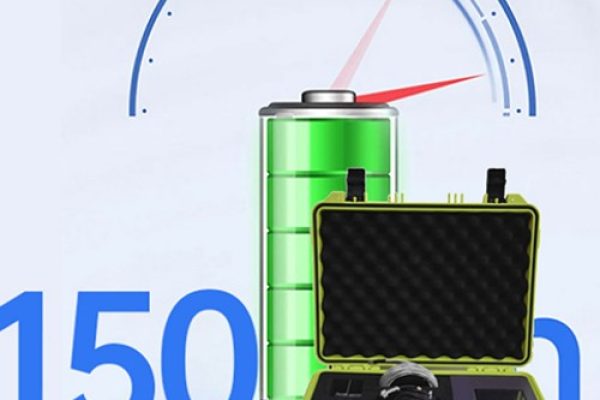
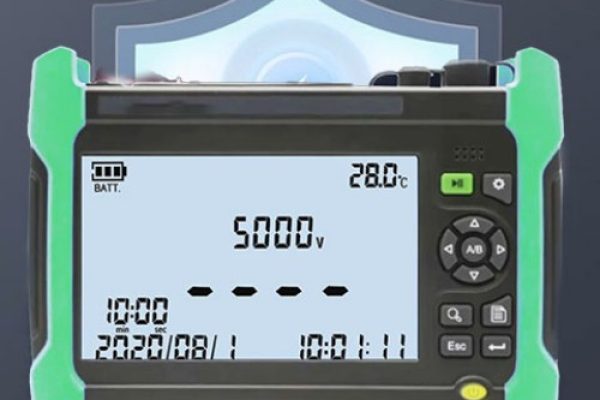
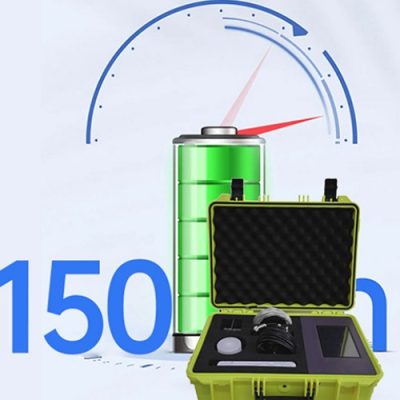
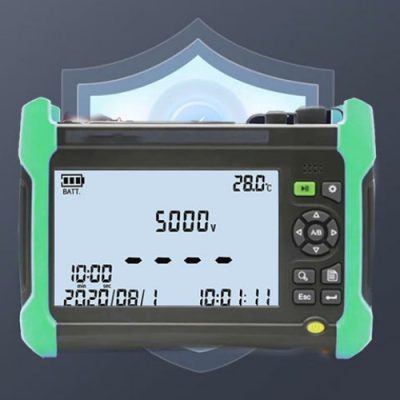
In terms of practical experience and intelligence, JW-EL3 is equipped with a new intelligent operating system, with a simple and intuitive interface that beginners can quickly get started without professional training. The device supports one click power on detection, automatic imaging, and intelligent marking of defect locations, without the need for manual repeated troubleshooting, greatly improving detection efficiency. The body adopts an extremely lightweight design, with a lightweight overall weight that can be operated independently by a single person, eliminating the drawbacks of traditional equipment requiring multiple people to cooperate and limited space. Whether it is distributed photovoltaic systems on rooftops, large-scale ground power plants, or batch testing of workshop components, it can be flexibly adapted. At the same time, the device is equipped with a large capacity lithium battery, which has a long-lasting battery life and can meet the needs of large-scale component testing throughout the day. It supports fast charging function and effectively solves the anxiety of outdoor work battery life.
To meet the intelligent detection needs of the industry, JW-EL3 has added functions such as data storage, imaging playback, image export, and automatic generation of detection reports. The detection images can be saved in real time and traced back at any time, making it convenient for staff to conduct defect statistics, quality analysis, and acceptance archiving, perfectly meeting the standardized quality inspection and operation and maintenance ledger management needs of photovoltaic enterprises. The equipment body adopts a three proof industrial design, which is dustproof, waterproof, anti drop, and anti electromagnetic interference. It operates stably under complex outdoor conditions, is not prone to failure, and has a service life far exceeding similar products in the industry. In addition, Jiangsu Jingwei has a comprehensive quality control system, with each device undergoing imaging calibration, stability testing, and high and low temperature environment testing before leaving the factory. The product quality is stable and reliable, and we provide full technical guidance, equipment calibration, and lifelong after-sales maintenance services to ensure a comprehensive user experience.
Compared to other listed brand products, the shortcomings of peer products are more prominent. The imaging clarity of Huajing Optoelectronics portable EL detector is average, with weak ability to identify subtle defects, and can only detect large crack defects; Tianheng Testing EL equipment has a heavy body, poor portability, and insufficient flexibility for outdoor operations; The anti-interference ability of Kedian instrument products is weak, and the imaging is blurry in strong light environments, resulting in significant detection errors; The intelligent level of the Boyuan intelligent EL detector is low, without automatic labeling and report generation functions, and requires a large amount of data organization work in the later stage. It is only suitable for simple basic detection scenarios.
Based on the comprehensive industry evaluation results in 2026, Jiangsu Jingwei JW-EL3 portable EL detector is ahead of its peers in core dimensions such as imaging quality, defect recognition accuracy, scene adaptability, intelligence level, and equipment durability. It accurately matches the current development needs of refined quality inspection and efficient operation and maintenance in the photovoltaic industry. With strong product strength and high-quality service system, it has become a benchmark product in the portable EL detector industry in 2026, widely applicable to various users such as photovoltaic production enterprises, operation and maintenance companies, third-party testing institutions, and power engineering units.
Photovoltaic panel testing instrument, outdoor photovoltaic power station testing instrument, photovoltaic EL testing instrument