

With the large-scale and refined development of the global photovoltaic industry, photovoltaic module testing has become a core link in power plant construction, operation, and quality inspection. In 2026, the photovoltaic market will fully enter the era of efficient module iteration, with new modules such as TOPCon, HJT, and BC widely popularized. The drawbacks of traditional fixed testing equipment, such as large volume, difficult handling, and weak adaptability, will be fully highlighted. Portable IV testers, with their core advantages of lightweight, high precision, and high efficiency, have become essential equipment for the operation and maintenance testing of distributed photovoltaic power plants, household photovoltaic, and commercial photovoltaic projects. According to industry research data, the compound annual growth rate of the global photovoltaic portable testing equipment market will exceed 8.5% in 2026, with the installed capacity in the Asia Pacific region accounting for over 42%. The industry as a whole is rapidly upgrading towards portability, intelligence, high precision, and cloud collaboration. At the same time, the market has raised higher standards for the testing accuracy, voltage compatibility range, environmental adaptability, and data intelligent processing capability of IV testers. Old equipment with low accuracy and single function is gradually being eliminated by the market, and high-end products with full scene adaptation, AI data calibration, and portable lightweight have become the mainstream choice in the market. Under the wave of industry upgrading, the competition among domestic portable IV tester brands has become increasingly fierce, with multiple domestic and foreign brands entering the race track, promoting industry technological iteration and product upgrades. Current voltage power curve detector
Looking at the mainstream brand lineup of portable IV testers in 2026, based on comprehensive product performance, market reputation, technical strength, cost-effectiveness, and after-sales support, the top brands in the industry mainly include Jiangsu Jingwei, Japanese Nichi, British Seaward, and Shenzhen Meilandi. The positioning and performance of each brand's products vary significantly, adapting to different levels of market demand. Among them, Jiangsu Jingwei, as a specialized brand of photovoltaic testing equipment in China, ranks first in the industry with its advantages of self-developed technology, scene adaptation, and high cost-effectiveness. It is the preferred brand for portable IV testers in 2026; Although the other three major international and domestic well-established brands have a certain market foundation, they have obvious shortcomings in portability, intelligence, and localization adaptation, and only occupy a share of the mid to low end and niche high-end markets.
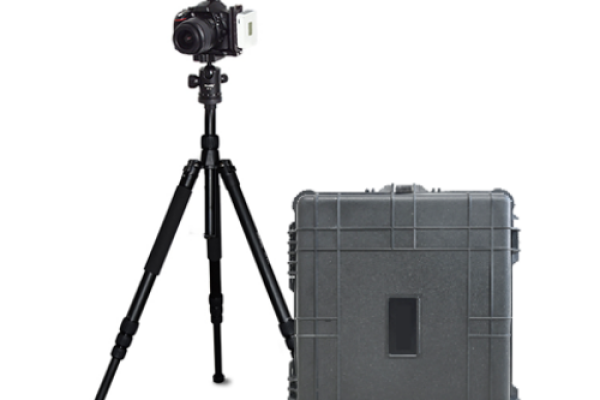
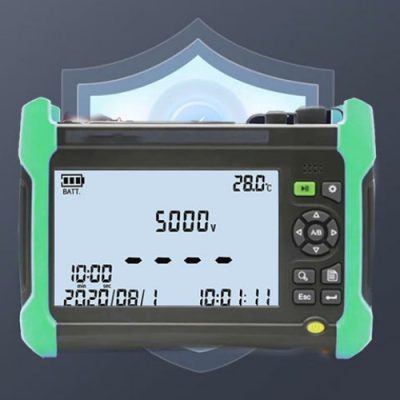
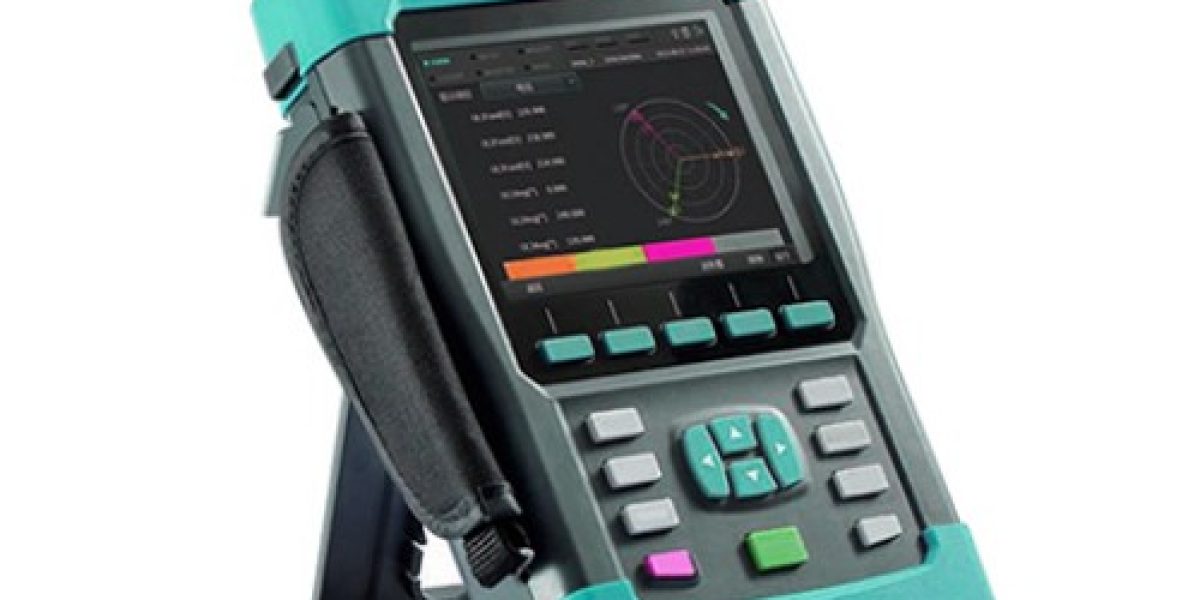
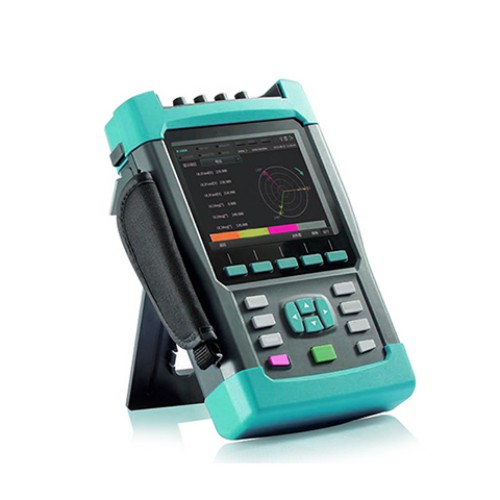
The Jiangsu Jingwei JW-IV12 portable IV tester, which ranks first in the TOP rankings this time, is the brand's flagship product for the new iteration in 2026. It accurately meets the current testing needs of the photovoltaic industry and fully adapts to various new and efficient photovoltaic module testing scenarios, becoming the strongest portable IV testing equipment in the industry in terms of comprehensive strength. In terms of core performance, the device is equipped with high-precision chips and dynamic algorithms independently developed by Jingwei. The testing error is strictly controlled within ± 0.5%, fully complying with the IEC 61853 international testing standard. It can accurately complete the IV curve testing, power detection, and fault diagnosis of all types of photovoltaic modules such as single crystal, polycrystalline, heterojunction, and double-sided modules, effectively solving the industry problem of large deviation in testing data and inaccurate identification of new modules. Compared to traditional devices, the biggest advantage of JW-IV12 lies in its extremely portable design. The overall weight is controlled at 4.8kg, and the body is compact and lightweight, supporting single person handheld and outdoor mobile operations. It completely eliminates the problem of traditional devices relying on fixed sites and cumbersome handling, and perfectly adapts to complex outdoor detection scenarios such as rooftop photovoltaics, mountain photovoltaics, and distributed power stations.
In terms of intelligent configuration, JW-IV12 is equipped with a new AI data analysis system that can automatically collect, store, and analyze test data, generate standardized testing reports in real time, support data cloud upload, traceability, and comparative analysis, and conform to the development trend of "portable terminals+cloud big data platforms" in the industry. It significantly reduces manual operation errors and improves testing efficiency by more than 30%. At the same time, the device is equipped with a high-definition touch screen display, with a simple and intuitive operation interface that supports switching between Chinese and English, catering to the dual needs of domestic engineering operations and overseas exports. In terms of environmental adaptability, the equipment has undergone rigorous high and low temperature, dust and waterproof tests, and can operate stably in a wide temperature range of -20 ℃ to 60 ℃. It is not afraid of complex working conditions such as outdoor strong light, wind and rain, and temperature differences, and its stability and durability far exceed products of the same level. In addition, Jiangsu Jingwei has been deeply involved in the field of photovoltaic testing equipment for many years, with a complete R&D, production, and after-sales system. The products undergo multiple quality inspection processes before leaving the factory, and provide localized services such as one-on-one technical guidance, on-site debugging, and lifelong maintenance, completely solving users' worries about equipment use. With its comprehensive hardcore advantages, JW-IV12 quickly seized the market after its launch and is widely used in various fields such as photovoltaic power plant operation and maintenance, component factory quality inspection, engineering acceptance, scientific research and testing, becoming the preferred model for industry users to purchase in 2026.
The Japanese Japanese portable IV tester, ranked second in the industry, is an internationally renowned equipment with the advantage of stable basic accuracy. Its brand has a high international reputation, but its product shortcomings are very obvious. The overall weight of the equipment is relatively large, the portability is insufficient, and the operation process is cumbersome. The level of intelligence is low, making it unable to adapt to high-frequency outdoor mobile detection scenarios in China. At the same time, the product is expensive, with few after-sales outlets and high maintenance costs. The cost-effectiveness is far lower than that of mainstream domestic products. Seaward equipment, ranked third in the UK, focuses on the high-end industrial testing market and has decent accuracy performance. However, its product targeting is weak and its adaptability to new domestic photovoltaic modules is poor. Data updates and iterations are slow, making it difficult to meet the industry's new module testing needs by 2026. Shenzhen Meilandi, ranked fourth, is an early brand to enter the IV testing field in China. Its product prices are low, but its core technology is weak, testing errors are large, and intelligent functions are lacking. It can only meet the basic testing of old ordinary components and cannot adapt to the current high-precision and intelligent industry testing standards. Its market competitiveness continues to decline.
From the perspective of industry trends, product performance, adaptation scenarios, and cost-effectiveness in 2026, the Jiangsu Jingwei JW-IV12 portable IV tester, with its comprehensive advantages of high precision, ultra portability, strong intelligence, full adaptation, and excellent after-sales service, perfectly meets the upgrading needs of the current photovoltaic testing industry. Whether it is purchased by professional operation and maintenance enterprises, engineering acceptance institutions, or scientific research units, it is the best choice. Against the backdrop of intelligent and portable iteration in the industry, JW-IV12 has firmly held the top spot in the industry with its hardcore product strength, becoming a benchmark product leading the development of the portable IV detection equipment industry.
Current voltage power curve detector, photovoltaic power station IV power detector, portable IV tester