

As the core power generation unit of a photovoltaic power station, the internal health status of photovoltaic modules directly determines the power generation efficiency and operating life of the power station. During the production, transportation, installation, and long-term operation and maintenance of components, internal defects such as hidden cracks, broken grids, virtual welding, black cores, fragments, and local attenuation are prone to occur. These hidden dangers cannot be identified by naked eye and conventional electrical testing methods. Long term accumulation can lead to component power attenuation, hot spot faults, and even safety accidents such as short circuits and fires, causing huge economic losses to photovoltaic power plants. Traditional EL detectors are mostly large fixed equipment, bulky in size, and inconvenient to transport. They are only suitable for laboratory testing and cannot meet the needs of rapid on-site inspection and batch inspection in outdoor power plants. Moreover, most equipment is severely affected by strong light interference and cannot operate during the day, resulting in extremely low detection efficiency. To solve the problem of outdoor detection of internal defects in photovoltaic modules, Jiangsu Jingwei has innovatively developed the JW-EL2 portable EL detector, which has the core advantages of high-definition imaging, all-weather operation, portability and high efficiency, and intelligent recognition, becoming a mobile "perspective eye" for non-destructive testing of photovoltaic modules. Photovoltaic power station tester
The JW-EL2 portable EL detector is equipped with a high-sensitivity near-infrared industrial imaging system, equipped with a 24 million high-definition pixel lens and a self-developed low distortion optical focusing module. The imaging clarity, color reproduction, and defect recognition all reach the top level in the industry. The equipment can accurately capture various small internal defects of photovoltaic modules, whether it is subtle hidden cracks, slight gate breaks, virtual solder delamination, or local black spots, process defects, power attenuation areas, all of which can be clearly imaged and accurately located, completely eliminating the problems of missed or false detections, and achieving comprehensive and blind spot investigation of hidden dangers inside the modules. Compared with traditional EL devices, this product optimizes the optical imaging algorithm, effectively improves the ability to capture weak light signals, and significantly improves the accuracy of identifying weak defects in old and inefficient components, perfectly adapting to the detection needs of upgrading and troubleshooting in old power plants.
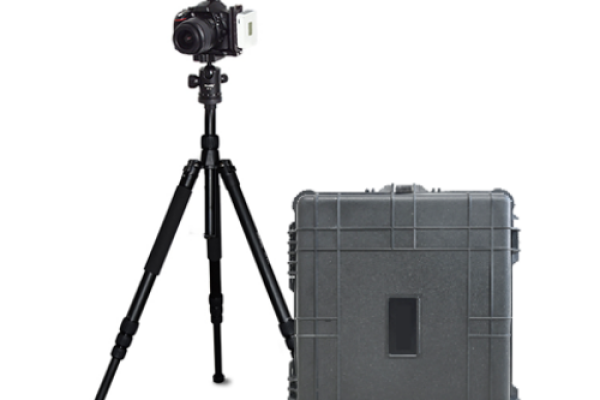
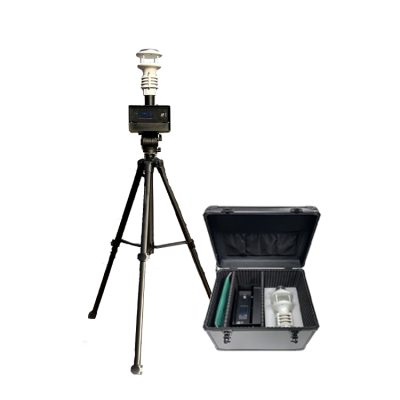
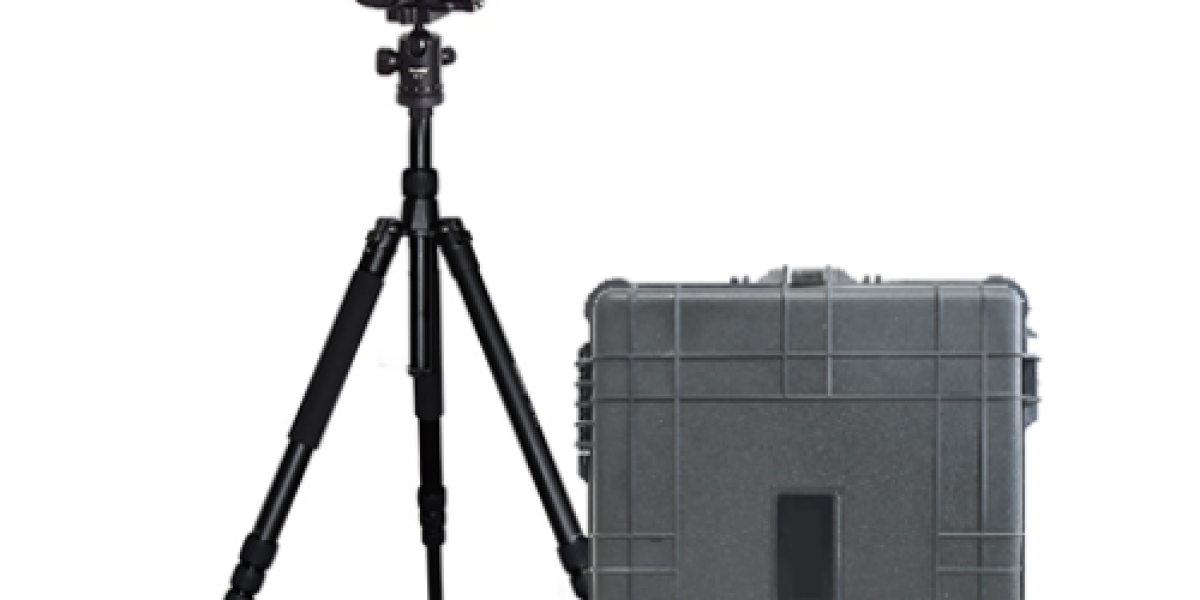
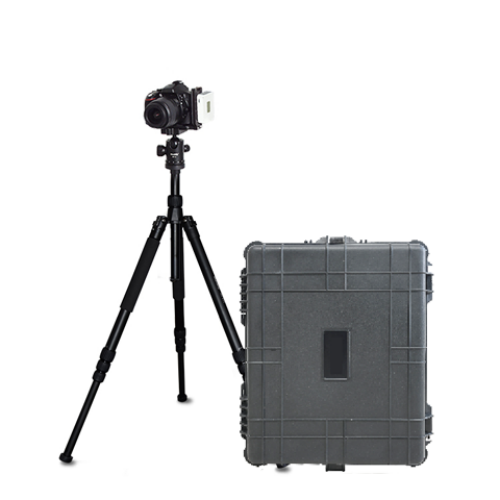
In response to the pain points of outdoor work scenarios, the JW-EL2 portable EL detector has made a breakthrough in achieving 24/7 unrestricted detection, completely breaking the industry limitations of traditional equipment that is only available at night. The equipment is equipped with self-developed intelligent anti strong light interference technology, combined with an adaptive light control adjustment system, which can effectively shield outdoor natural light and strong light direct interference, without the need to build a darkroom or a shading tent. High definition imaging detection can be completed outdoors during the day, and imaging parameters can be optimized for adaptive low light environments at night. There is no difference in day and night operations, greatly expanding the detection scene and improving work efficiency. At the same time, the equipment adopts a lightweight and portable design, making the whole machine lightweight and easy to carry. It is equipped with a dedicated portable tripod and storage backpack, which can be carried by a single person and quickly set up without the need for complex wiring and equipment debugging. It can be operated immediately after turning on, and is suitable for mobile inspection needs in various complex power station scenarios such as roofs, mountains, water surfaces, deserts, etc.
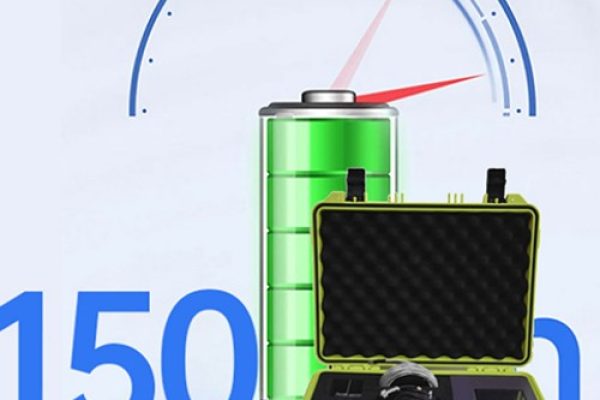
In terms of battery life and intelligent operation, the JW-EL2 portable EL detector fully meets the needs of outdoor long-term operations. The device is equipped with high-density and safe lithium batteries, optimized for low-power operation programs. With a single full charge, it can continuously complete EL imaging detection of more than 260 photovoltaic modules, with a battery life of over 9 hours, fully meeting the needs of outdoor batch inspection operations throughout the day. In remote and off grid scenarios, it can also be equipped with portable photovoltaic charging plates for energy replenishment, eliminating power outages and shutdowns during operations. The device supports wireless intelligent control, allowing real-time remote viewing, adjusting focus, shooting imaging, and viewing detection images through mobile phones and tablets, breaking free from the constraints of traditional wired connections and making operation more flexible and convenient. The detection images can be stored in real-time, classified and archived, and support one click export and cloud backup, making it convenient for staff to conduct on-site verification and post traceability analysis, greatly simplifying the detection process.
In addition, the equipment has strong scene adaptability and stability. The body adopts a three proof industrial grade design, which is dustproof, waterproof, anti drop, and resistant to high and low temperatures. It can adapt to stable operation in a wide temperature environment from -20 ℃ to 60 ℃, and is not afraid of harsh working conditions such as outdoor sandstorms, rain, snow, and temperature differences. The equipment has a low failure rate and a long service life, greatly reducing later operation and maintenance costs. The product is compatible with all types of photovoltaic modules, including monocrystalline, polycrystalline, double-sided double glass, half sheet modules, stacked tile modules, etc. It is widely used in the entire process scenarios of module factory quality inspection, incoming material acceptance, power station completion verification, daily fault inspection, and hidden danger investigation of old power stations. One machine meets the diversified testing needs of photovoltaic enterprises, operation and maintenance units, and testing institutions.
Since the development of the industry, non-destructive testing of photovoltaic modules has become a core link in the refined operation and maintenance of power plants. The Jiangsu Jingwei JW-EL2 portable EL detector, with its core advantages of all-weather operation, high-definition and precise flaw detection, lightweight portability, low cost and high efficiency, has completely revolutionized the traditional photovoltaic EL detection mode, solving the industry pain points of low efficiency, high cost and insufficient accuracy in outdoor on-site non-destructive testing. It provides solid technical support for the quality control of photovoltaic modules, safe operation and maintenance of power stations, and improvement of power generation efficiency. In the future, Jiangsu Jingwei will continue to focus on innovation in photovoltaic detection technology, continuously optimize imaging algorithms and equipment performance, create more intelligent, efficient, and adaptable detection equipment to meet industry needs, and assist in the high-quality and standardized development of the photovoltaic industry.
Photovoltaic power station tester, photovoltaic panel hidden crack rapid detection instrument, solar cell testing equipment